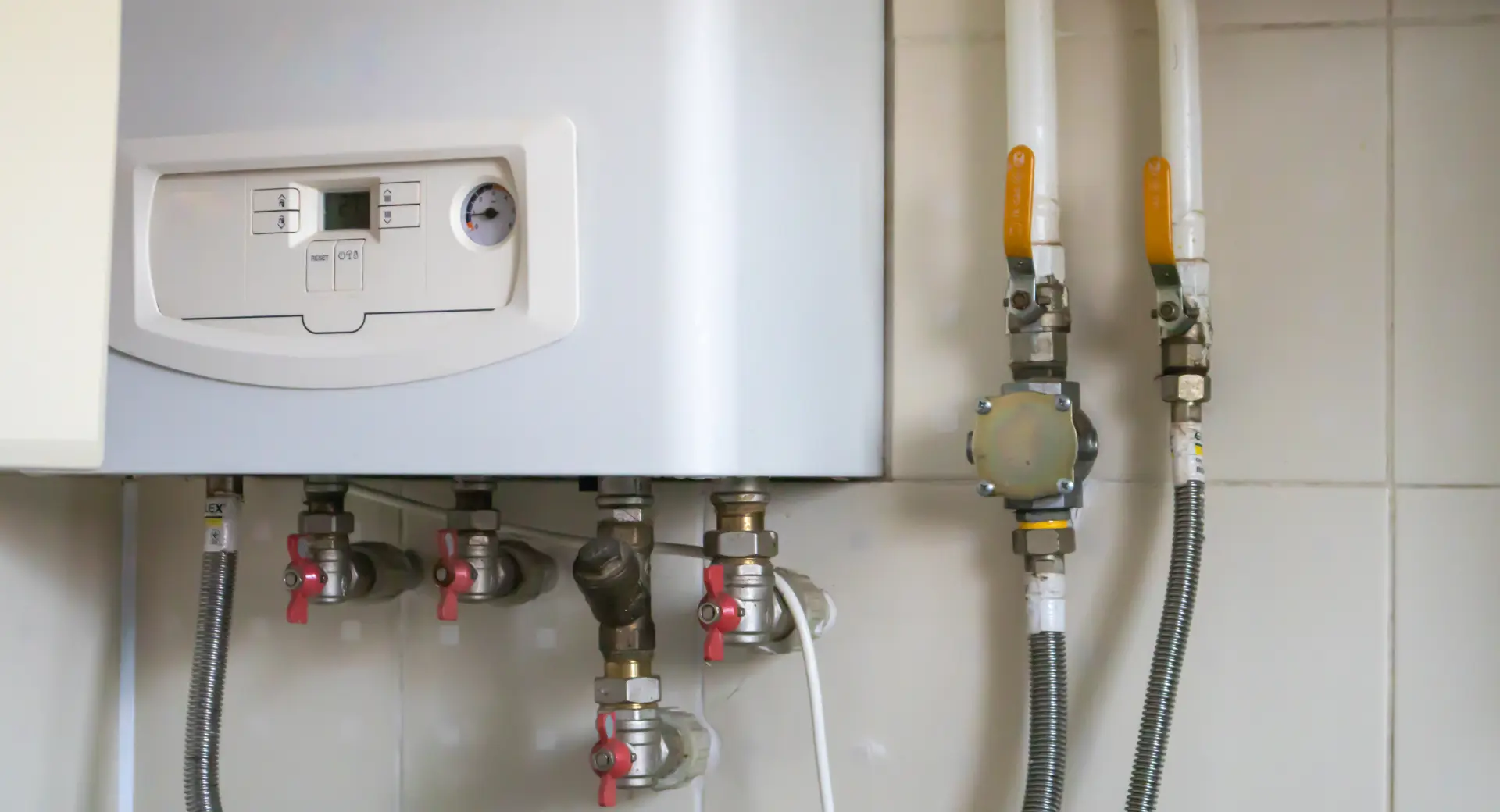
Learn how to choose the right boiler for your home with our expert guide. Find the perfect boiler to improve your efficiency, reduce your running costs, and ensure you have reliable hot water.
Boiler types explained
A combi boiler heats water directly from the mains when you turn on a tap, and because of this, you don't need to have a hot water cylinder or a cold water tank. This can help you save space, especially if you live in a smaller house. However, if more than one tap or shower is used at a time, the water pressure can drop, so your water pressure may feel weaker.
A system boiler has a hot water cylinder, which stores hot water so it's ready to use. This can be better for larger households because you can run more than one tap or shower at a time. A system boiler is also a great option if you need a reliable and consistent supply of hot water. However, this boiler needs extra space for the cylinder, and once the stored hot water has been used up, you have to wait for it to heat up again.
A regular boiler, sometimes called a heat-only boiler, also uses a hot water cylinder as well as a cold water tank. These boilers are often found in older homes, and they are better for properties with older pipework or homes with low mains pressure.
What size boiler do you need?
The size of your boiler can affect your comfort, running costs, and how well your heating and hot water work every day. A boiler that's the right size can heat your home properly and supply hot water when you need it. However, if the boiler is the wrong size, you may end up paying more and getting poorer results.
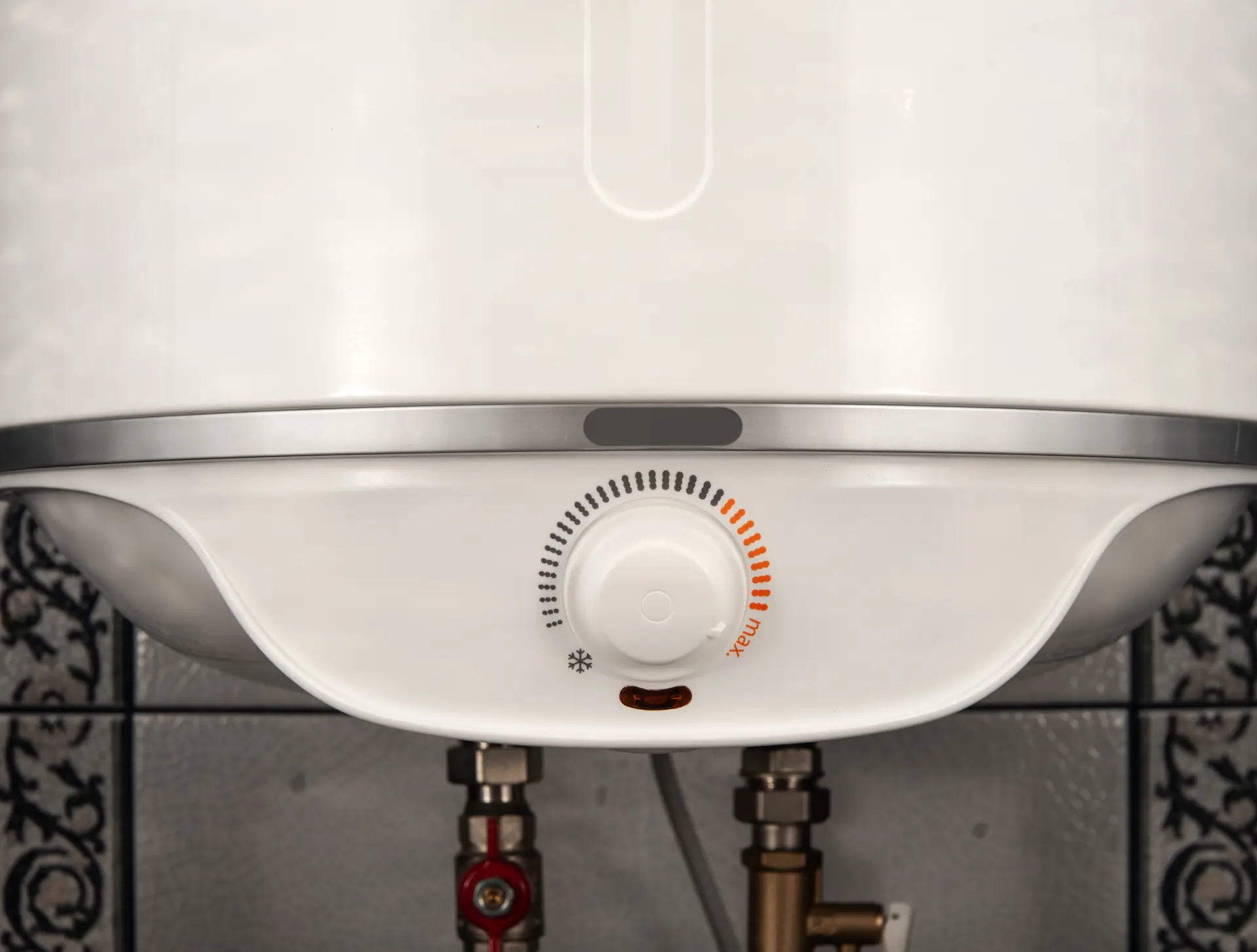
If a boiler is too small, it can struggle to heat your home during cold weather. The radiators might take longer to warm up, and the boiler could run for longer periods of time just to keep up with your heating demands.
You may also notice issues with your hot water, especially if more than one person needs a shower, or if you use several taps at the same time.
A boiler that's too big can also cause issues. Bigger boilers can cost more to buy and install, and they may use more fuel than necessary, especially if your home doesn't need that much heat. An oversized boiler can also switch on and off more often, which can cause it to be less efficient and put extra strain on the components.
To choose the right size, you need to think about your home and your daily routine. The number of bedrooms and bathrooms you have matters, and so does your home's heat retention.
You also need to consider your water pressure and how you use hot water. If you often run multiple taps together, or if you have more than one shower being used, you may need to install a boiler system that can cope with the high demand.
Hot water demand and daily use
Understanding your hot water demand and daily use is important because it can help you choose a boiler that matches how your home works. Hot water isn't just for showers; it's also used for washing your hands, cleaning, washing up, and running appliances. If your boiler can't keep up with your normal routine, you may end up getting a weaker water flow.
A home with one or two people, one bathroom, and simple daily routines often uses less hot water at a time. In this case, a combi boiler is the ideal choice because it heats water straight from the mains when you turn on a tap. It also saves space and gives you hot water without needing a cylinder, which is great if you don't have much storage.
The demand for hot water is often higher in bigger households, especially if you have more than one bathroom. If two showers are used at the same time, or if someone is showering while another person runs a hot tap, a combi boiler may struggle to provide the right water flow. In this case, a system boiler is often the better choice. This type of boiler stores hot water in a cylinder, so that you can use it in several places at once.
Fuel options: gas, oil, electric, and LPG
Gas boilers are the most common type of boiler in UK homes. If your home already has a gas supply, a gas boiler is often simple and cost-effective to install. Gas boilers are widely available, and many engineers are trained to install and service them, which can make repairs and yearly servicing easier to arrange.
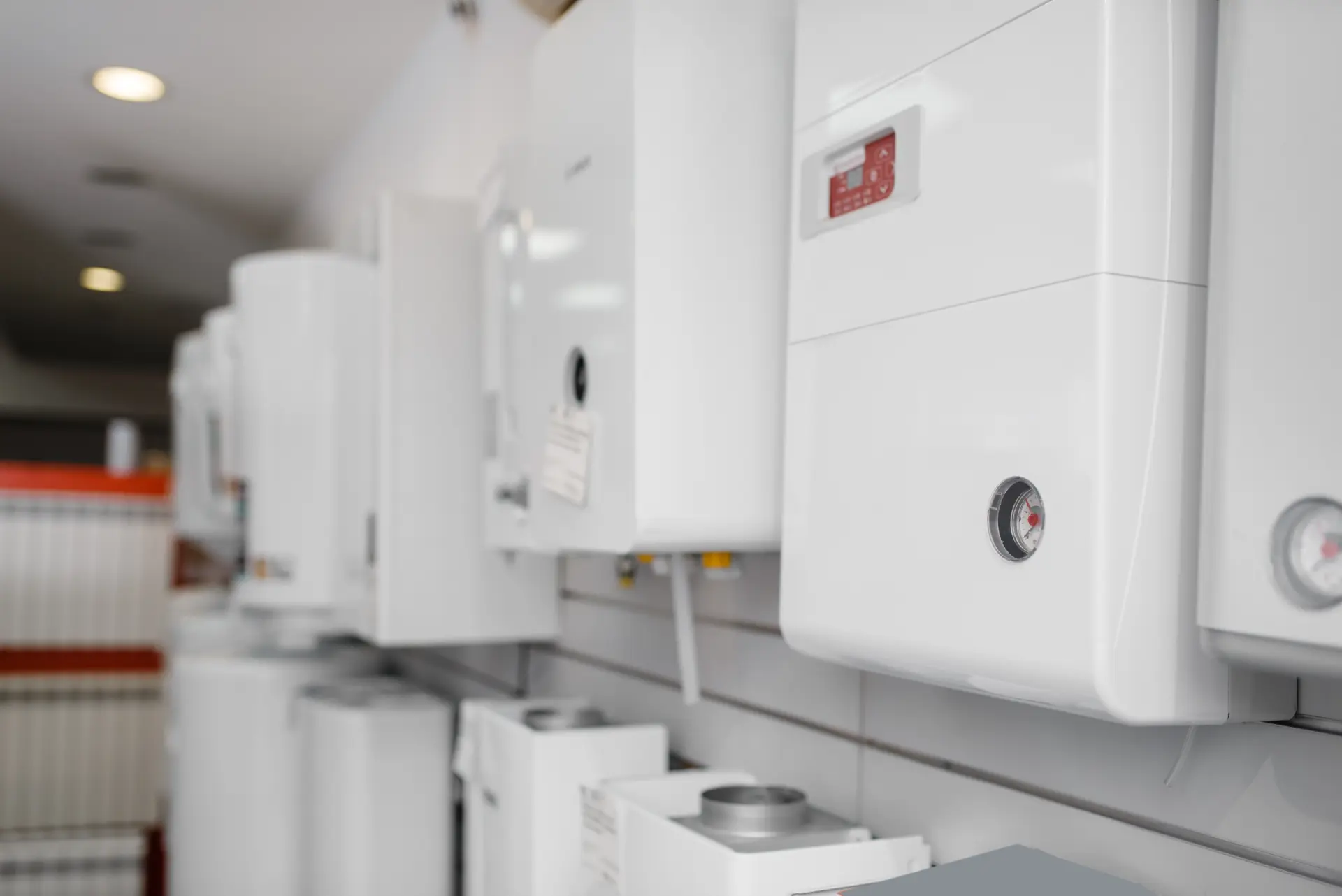
Oil boilers are usually used in homes that don't use the gas network, or in homes in rural areas. Oil boilers can provide efficient heating and hot water, but you will need to have enough space for an oil tank outside.
You also need to plan deliveries and keep an eye on your oil level, so that you don't run out of oil. Additionally, oil prices can change over time, which can make budgeting harder.
LPG boilers use gas that's stored in a tank or supplied in cylinders. Much like oil boilers, LPG boilers are often used when there's no mains gas available. This type of boiler can be a practical option, but you still need to have enough storage and have regular deliveries.
Electric boilers are compact, and they don't need a flue, making them ideal for flats or smaller homes. They are also quieter, and they can be easier to fit and install.
However, electricity often costs more than gas per unit, so electric boilers can be more expensive to run, especially in larger homes with higher heating demands.
At A.C.O Heating And Plumbing Ltd, we provide professional boiler installation services for homes across Watford, Kings Langley and St Albans. We can help you pick the right boiler for your home and install it safely and efficiently.