Who Is Responsible for Boiler Repairs
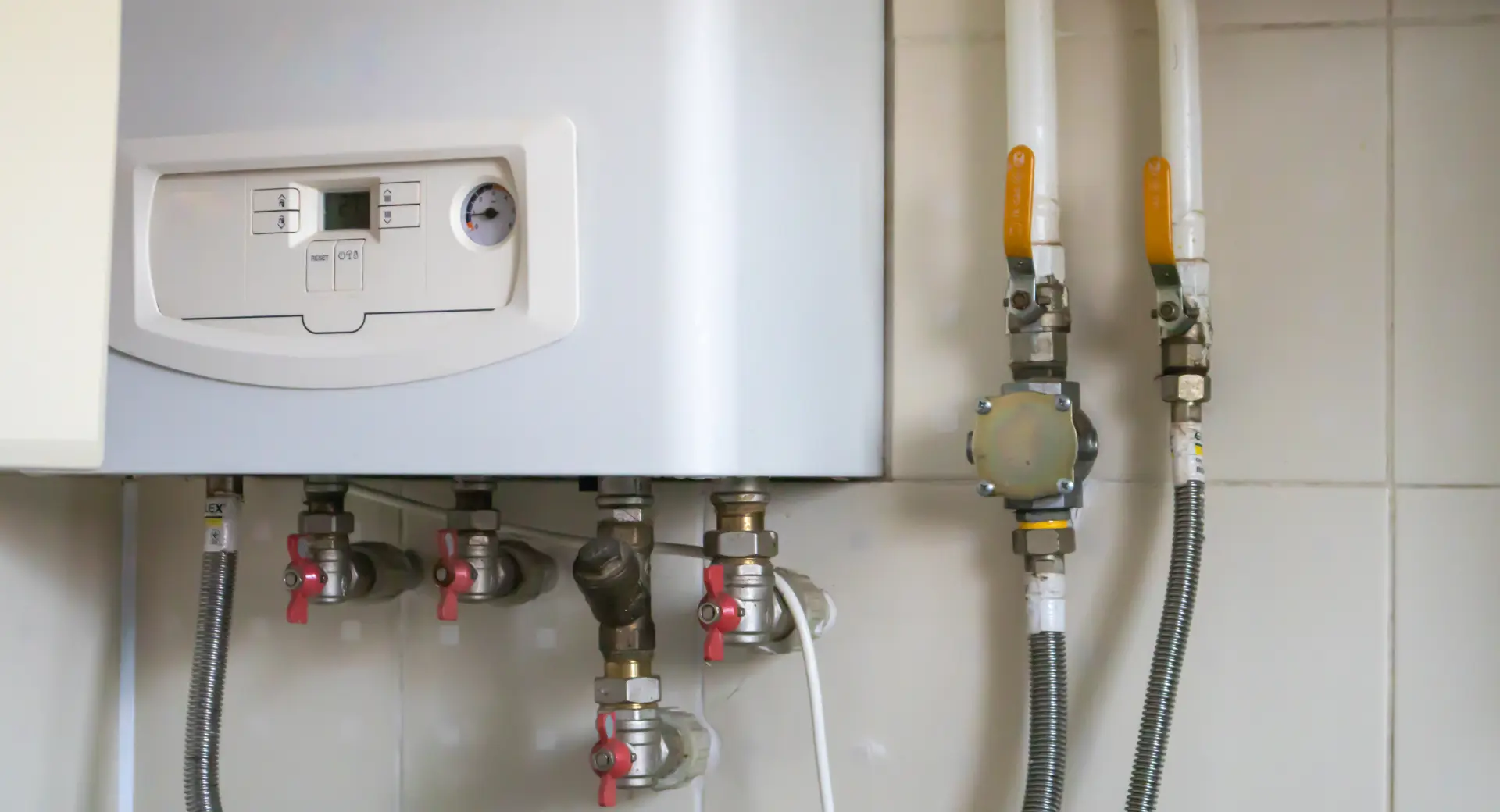
In most rented homes, the landlord is responsible for keeping the boiler in good working order. The boiler is part of the main structure and services of the property, so it falls under a landlord's duty to provide safe and working heating and hot water. Tenants are usually only responsible for any day-to-day use, like setting the timer or topping up the pressure if the manual says they are able to.
From the start of the tenancy, they are expected to make sure the boiler is installed correctly and is safe to use. A new tenant should never move in to find a broken boiler or no hot water. If they do, landlords will normally need to arrange a repair quickly and at your own cost. This is part of providing a home that is completely fit for other people to live in.
As time passes, parts inside the boiler system will begin to wear out, and these issues are not the tenant’s fault, even if they show up while they are living there. When a fault appears, landlords are usually the one who must arrange and pay for a qualified engineer to fix it. Tenants may be asked to allow access, but they should not have to find or pay the engineer themselves.
There are a few rare cases where tenants may have to pay. If they have clearly damaged the boiler through misuse or neglect, the owner can charge them for the repair.
Legal Rules Every Landlord Must Know
Housing laws in the UK set out clear rules about heating and hot water in rented homes. As a landlord, you must make sure the boiler and heating are safe, in proper working order and available whenever the property is occupied. These duties apply whether the home is let to a single family, students or shared tenants.
One key rule is that all repairs must be carried out within a reasonable time after you are told about the problem. The law does not state an exact number of days, yet more serious faults, such as no heating in winter, are expected to be treated as urgent. The longer you leave an issue, the greater the chance of complaints, claims or even enforcement action.
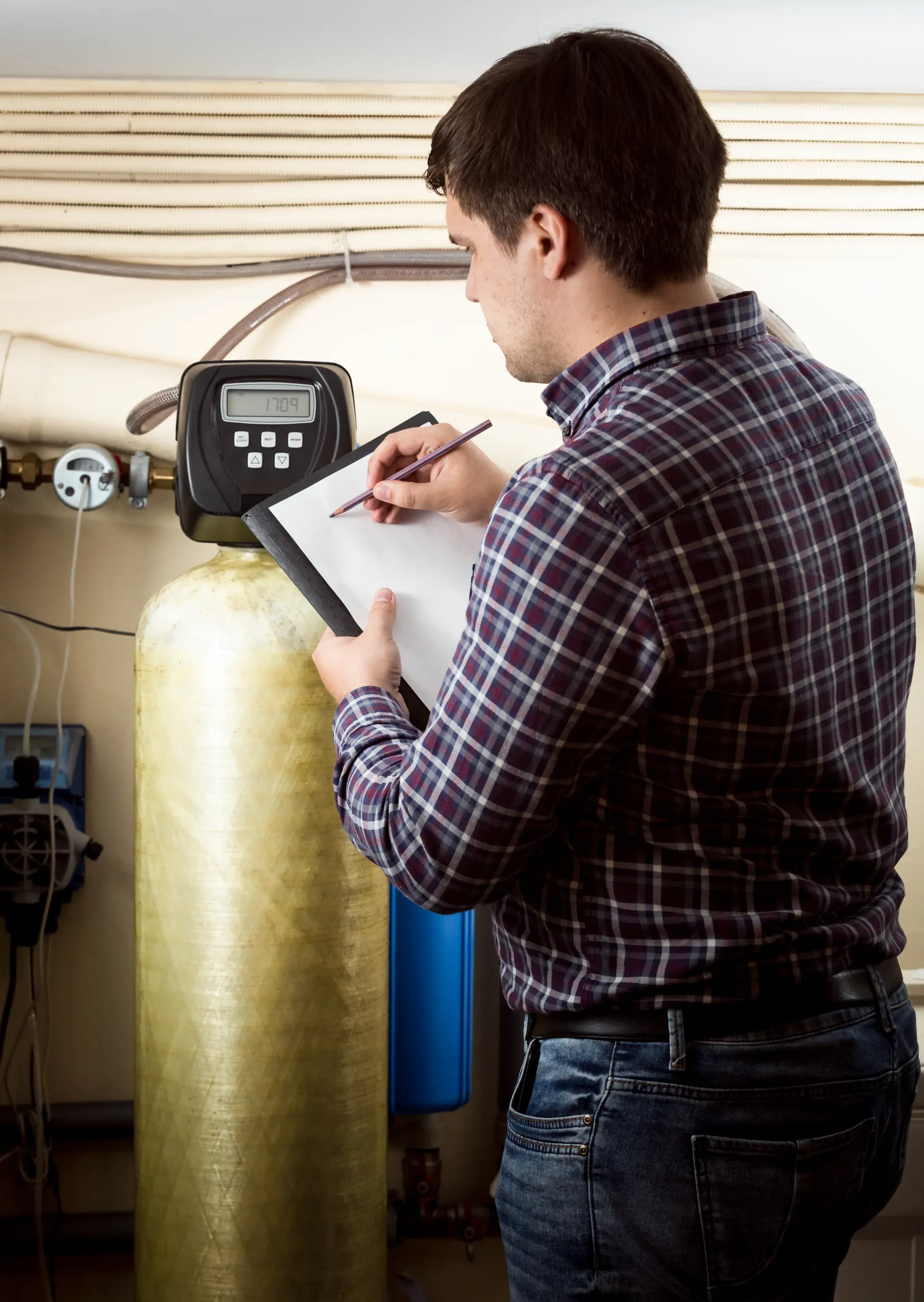
Another important point is that you cannot pass your basic boiler repair duties to the tenant through the tenancy agreement. Even if a contract says the tenant must look after the boiler, the law will usually still see you as responsible for repairs and replacement. Clauses that try to avoid legal duties are very unlikely to be valid.
Local councils also have powers to act when heating or hot water problems make a home unsafe or unhealthy. If a tenant reports you and the local council finds there are serious hazards, you may face notices, fines or other action.
Understanding the rules and responding quickly to boiler issues helps you avoid this and maintain a good relationship with both tenants and the council.
Gas Safety Checks and Certificates
Every landlord who has a gas boiler must arrange frequent gas safety checks. These checks must be completed by a trusted, local Gas Safe registered engineer. The aim of this is to make sure the boiler and all the other gas appliances are working properly and do not present a risk to the people living in the property.
Each year, you must have a full gas safety inspection. During this visit, the engineer will thoroughly test the boiler, flues and other gas appliances, and inspect for leaks, poor combustion and unsafe parts. At the end of the checks, they will provide you with a complete gas safety certificate, and this is a written record of what they found.
This certificate is not just for your records. You must give a copy to your tenants within the set timescale, usually within 28 days of the check, and you must provide it to new tenants at the start of their tenancy. Keeping these documents safe and organised is vital, as they may be requested by tenants, letting agents or local authorities. In addition to the annual check, it is sensible to think about having servicing on a more regular basis. A full service is more detailed than a basic safety check, and it helps keep the boiler running efficiently.
What to Do When Tenants Report a Fault
When a tenant reports a boiler fault, your first step should be to respond quickly and clearly. Sending a simple message to confirm you have received their report can help ease worry, especially in cold weather. You should ask them for as many brief details as they can, such as error lights, noises or leaks, but you cannot expect the tenant to diagnose the problem themself.
Next, you should arrange an inspection with a local, trusted engineer as soon as possible. For urgent issues, such as no heating, no hot water or suspected gas leaks, you should treat the visit as a priority. It's best to immediately inform the tenant of the planned date and time and remind them that the engineer will need access to the boiler, controls and, if required, other rooms.
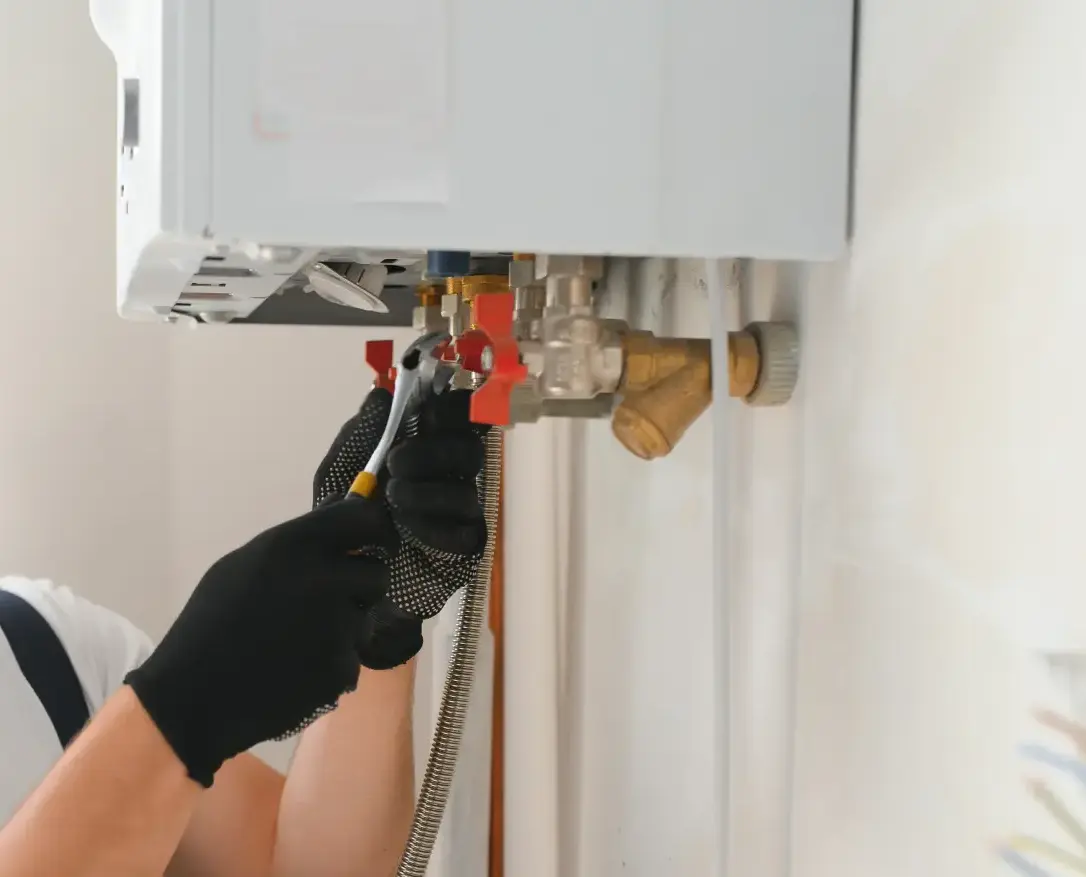
During the repair process, it is helpful to keep your tenant constantly updated on the process. If parts need ordering or there are delays, a short explanation can avoid frustration. It might be good to consider short-term support if the repair takes longer than expected, such as providing portable heaters when it is safe and appropriate to do so.
After the work is finished, you must then confirm that the boiler is now working and ask your tenant to let you know if any further issues appear. Keeping written records of reports, visits, and repairs is very useful.
These records can help resolve all disputes, prove you have acted reasonably and show that you take your responsibilities seriously.
Repair or Replace: What Is Best for Your Property?
Deciding whether or not to repair or replace a boiler in your property can be a difficult choice. Much older boilers may continue breaking down, leading to repeated call-out fees and disruption for your tenants. Whereas a newer boiler might be more reliable and efficient, but the upfront cost is higher. Looking at both short-term and long-term factors can help you make the most sensible decision.
Age is one important factor to remember. Boilers often last around 10 to 15 years, depending on brand, use and maintenance. Once the boiler is near the end of this range, repairs may only provide short-term fixes. Continually repairing a very old boiler can end up costing more than replacing it with a modern, efficient model, and may cause more damage overall.
Repair history is another key point to consider. A boiler that has needed several repairs in a short period may be reaching the end of its useful life. If an engineer warns you that other parts are most likely to fail soon, it might be wiser to plan a replacement at a time that suits both you and your tenants, rather than waiting for a full breakdown.
Need fast and reliable boiler repairs in your area? A.C.O Heating And Plumbing Ltd provides expert diagnostics, repairs, and servicing to keep your heating system running safely and efficiently.