Small Faults That Quickly Get Worse
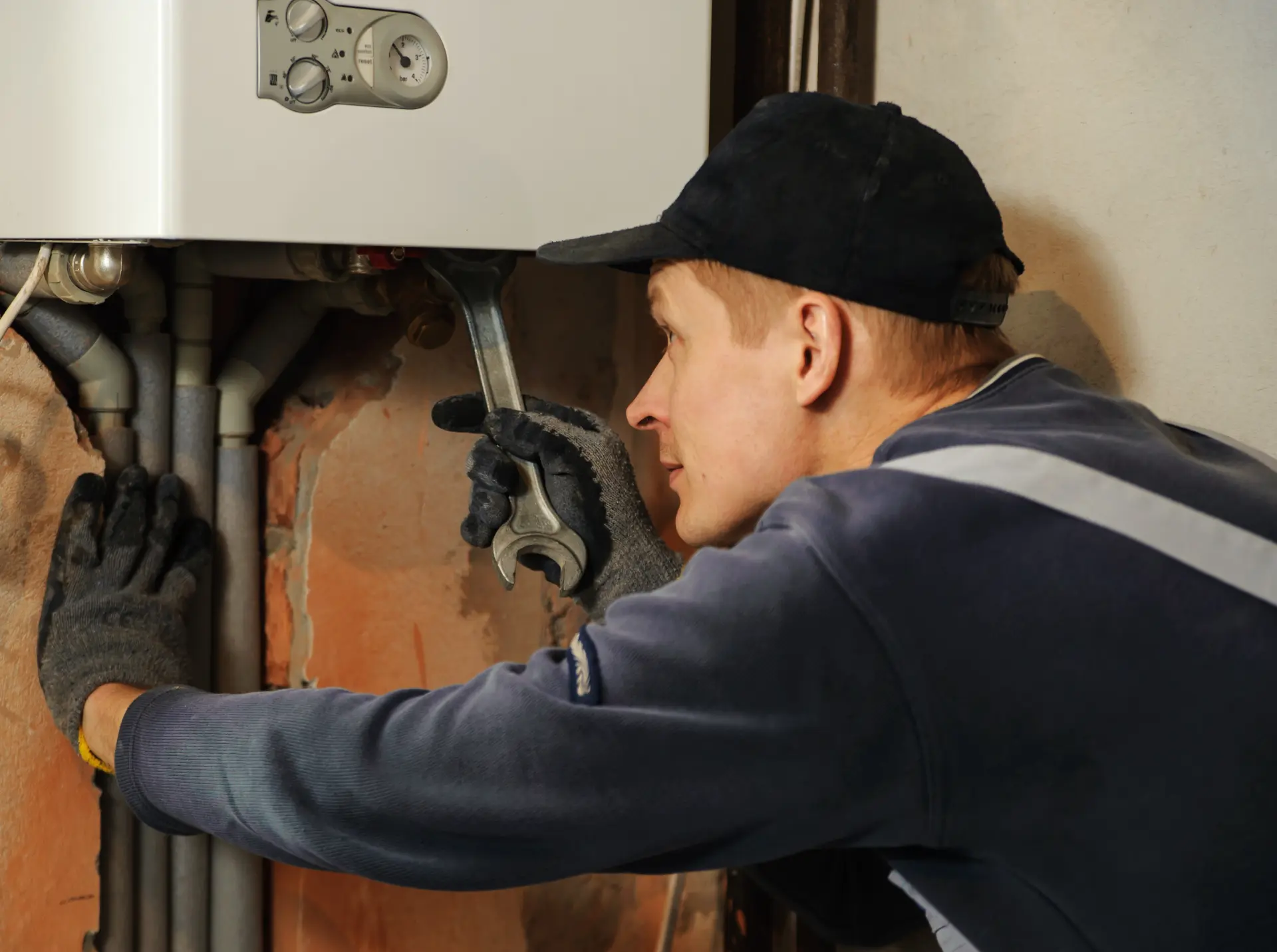
Many boiler problems begin as tiny signs that are incredibly easy to ignore. You may notice a small drip, a quiet rattle, or radiators that take much longer to heat up, and this is also sometimes to pay attention to. These can sometimes feel like minor annoyances instead of real faults. Yet, inside the boiler, these small changes often indicate that a part is starting to wear out or is not functioning as it should.
Left alone, small faults usually do not stay small. A tiny water leak, for example, can let air into the system and cause rust. Rust can then spread to other parts and make them weaker. Over time, this can lead to more leaks, poor heating and even serious damage to the boiler casing or pipes.
Costs also start to build quietly in the background. A part that is slightly damaged can make your boiler work harder to do the same job. This extra strain means more wear on other parts and more energy used. In the end, what might have been a simple, low-cost repair can turn into a major job with a much bigger bill.
The Risk of a Full Boiler Breakdown
Often, full boiler breakdowns seem to come out of nowhere. One day the heating is working, and the next day there is no hot water and no warmth at all. In some circumstances, though, the breakdown is the final result of problems that have been building up over months or even years.
Once your boiler has broken down, you lose all control over timing. Breakdowns often happen on cold days when the boiler is working hardest, and this can leave your home cold at the worst possible moment, which is especially serious for young children, older people or anyone with health issues. Emergency call-outs also tend to cost more than standard appointments.
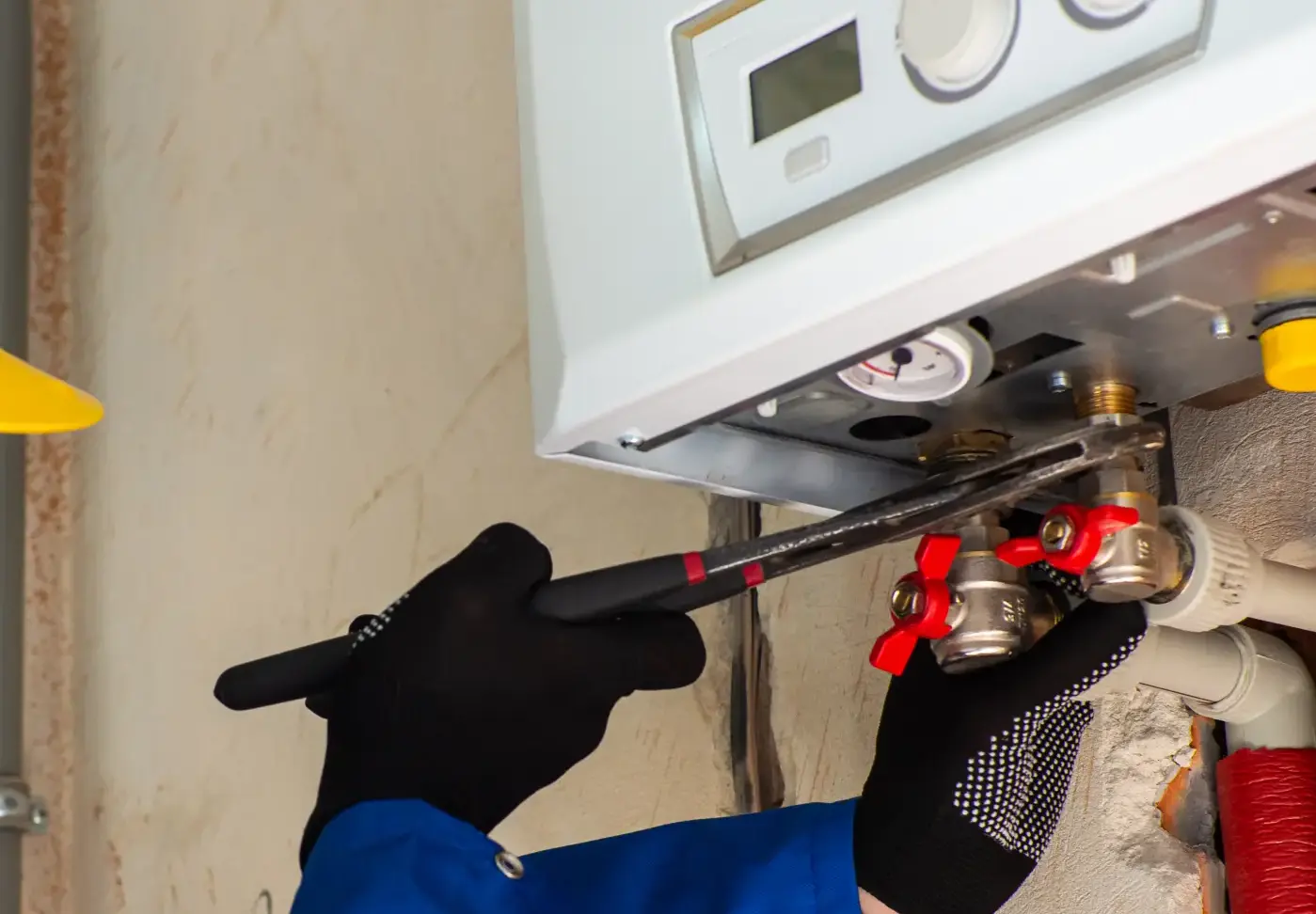
The impact of a breakdown reaches beyond the repair bill. Time off work might be needed so you can wait for an engineer. You may have to use electric heaters or boiling kettles for washing, which is tiring and can be more expensive. If parts are not currently in stock, you might be left without proper heating or hot water for more than a day.
Sometimes a breakdown is so serious that repairing the boiler is not worth the money. If several parts fail simultaneously, or if your boiler is very old, a full replacement may be the only sensible option. Replacing a boiler without warning can be a big shock to your budget. So, if you aim to deal with smaller issues early, you give yourself more choice and more time to plan any future replacement.
Higher Energy Bills From an Unhealthy Boiler
An unhealthy boiler often wastes energy without you realising. It may still heat your home, but it takes longer to do it or needs to run at a higher setting. Over time, this steady waste shows up in your gas or energy bills. Many people blame rising prices and never notice that their boiler is part of the problem.
Inside the boiler, worn or dirty parts limit its efficiency. For example, if there is a build-up of dirt inside, the flame and heat cannot move as easily. This means the boiler must stay on for much longer to produce the same amount of warmth. Even a small drop in efficiency can cost you a lot of money over a full season.
Your heating habits might also change without you noticing. If your home does not feel as warm as it used to, you might turn up the thermostat or leave the heating on for longer. Both of these choices push your bills even higher. The boiler will keep working harder and harder, which increases the risk of future faults and breakdowns.
Safety Dangers You Cannot Afford to Ignore
Boiler problems are not only about money and comfort. Some faults can lead to serious safety risks in your home. A damaged or poorly working boiler can, in rare cases, release harmful gases such as carbon monoxide. This gas has no smell or colour, which makes it very dangerous.
Carbon monoxide poisoning can cause headaches, dizziness, sickness and confusion. In very serious cases, the gas can be fatal to all home and property owners and can cause death if it goes undetected for too long. Many people do not connect these symptoms with their boiler, especially if they come and go. That is why delaying repairs and safety checks can be so risky. If something is not right with your boiler, it is always better to have it inspected by an engineer in your area.
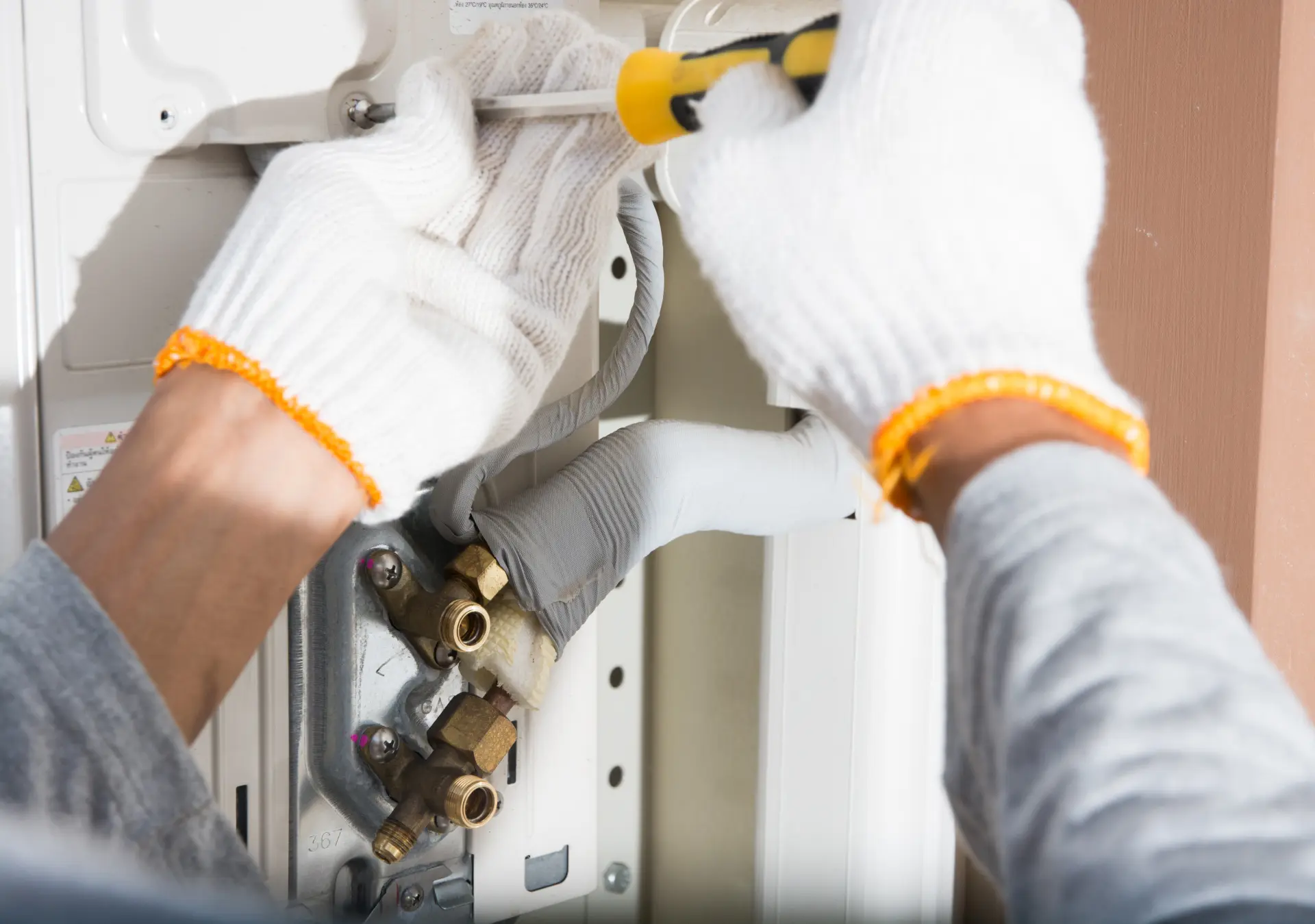
Water leaks can also create hazards. A small leak might seem like a bit of damp that you can live with. As time goes by, water can damage your floors, walls and ceilings. Wet areas can lead to mould growth, which is bad for people with asthma or allergies. In some cases, the water can also reach electrical parts and increase the risk of electrical faults.
Gas leaks are a danger you should never overlook. If you happen to smell gas in your property or suspect a boiler leak, you must act straight away and follow safety advice, including calling the gas emergency line from a safe place. Frequent repairs and checks reduce the chance of leaks happening and help keep your home a safe place to live.
Why Regular Servicing Saves Money Long Term
Frequent servicing might feel like an extra cost at first glance. It can be tempting to skip a service or two, especially if your boiler seems to be working pretty well. However, a yearly service is one of the most effective ways to make sure your boiler stays healthy, safe and efficient. It often saves far more money than it costs in the long run.
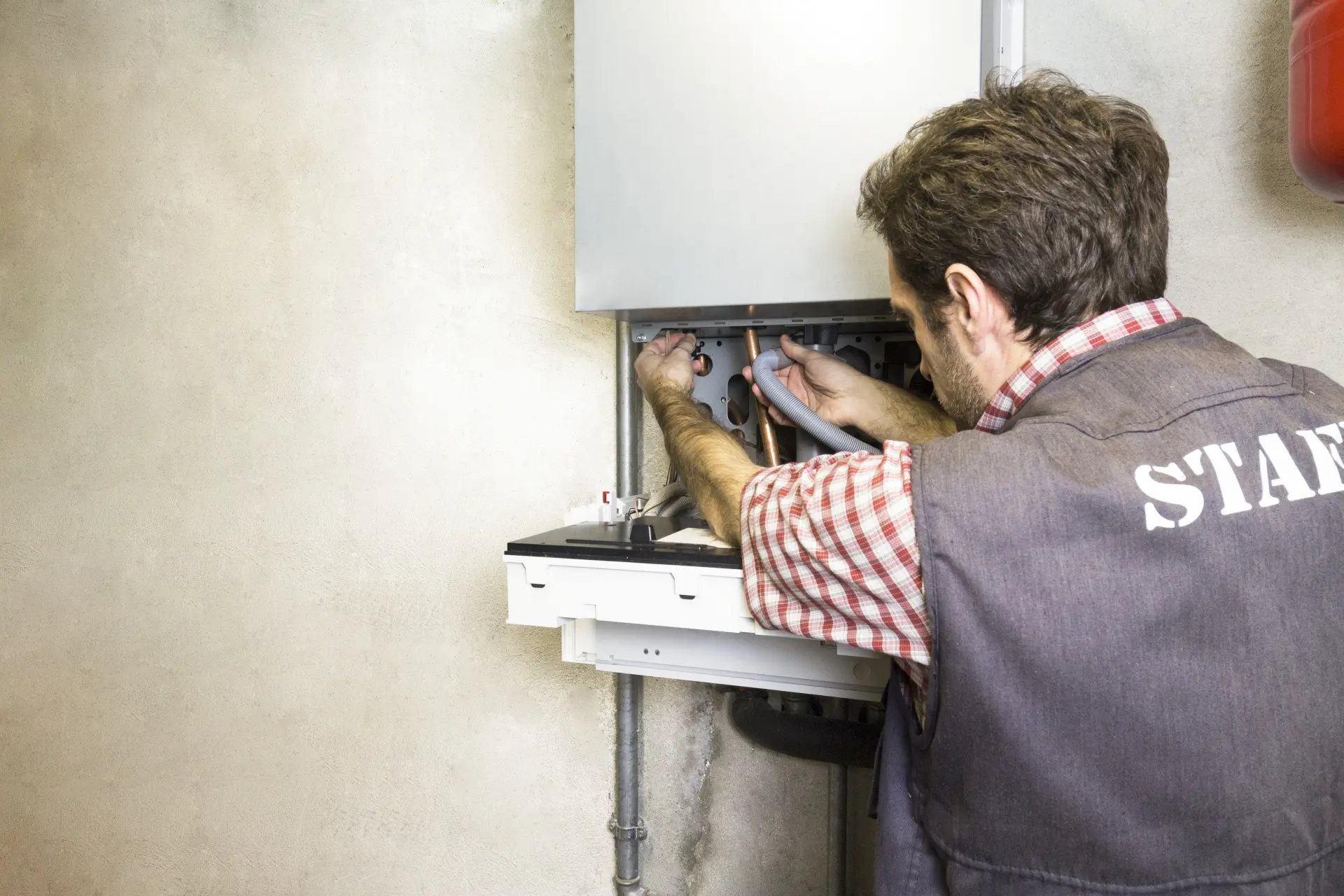
During a service, a qualified engineer checks key parts, cleans inside the boiler and tests that everything is working correctly. This careful check‐up can spot small issues long before they turn into big faults. Catching problems early usually means simpler repairs, less time without heating and lower bills.
Need fast and reliable boiler repairs in your area? A.C.O Heating And Plumbing Ltd provides expert diagnostics, repairs, and servicing to keep your heating system running safely and efficiently.