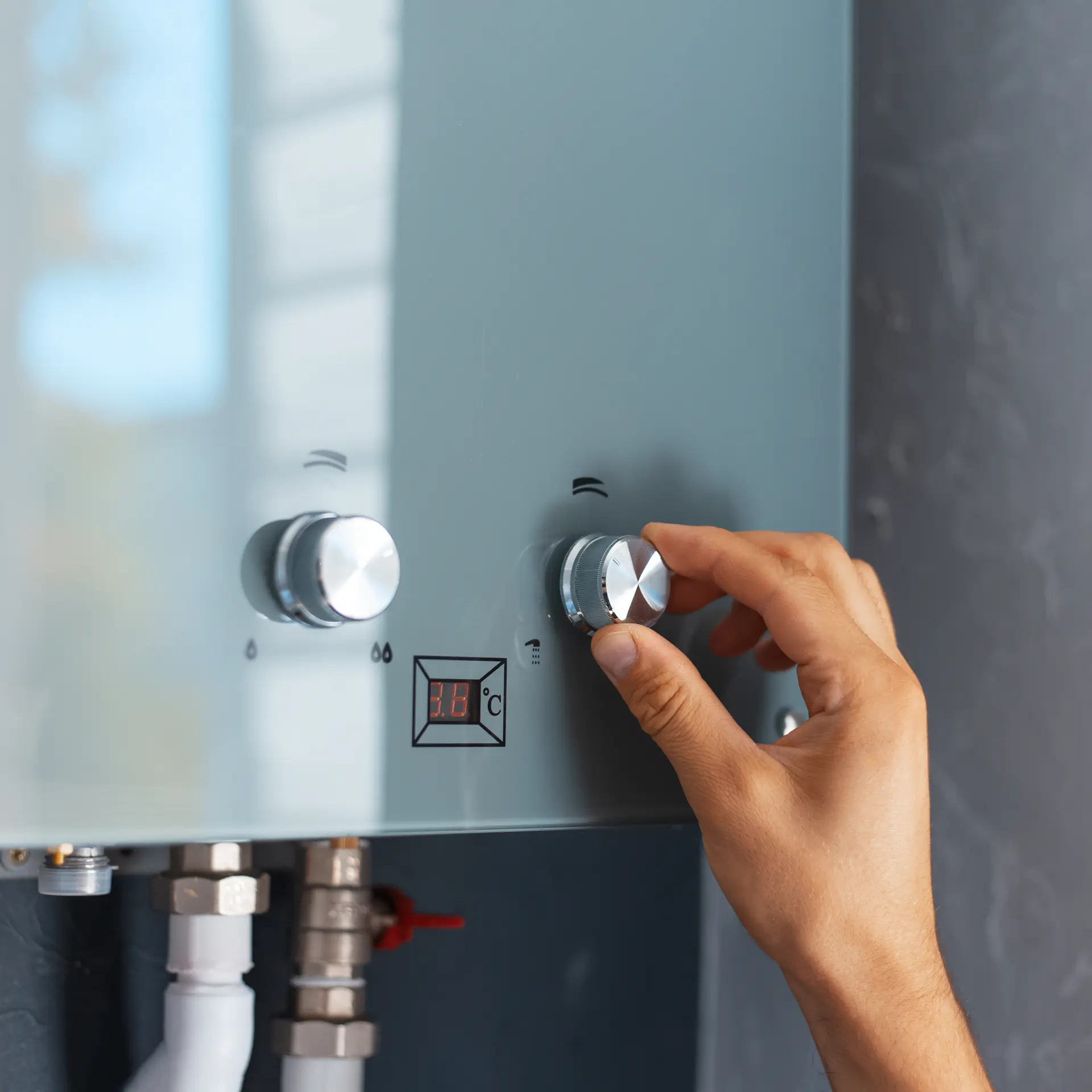
Recognise the signs it’s time to replace your boiler, from unusual noises and leaks to rising energy bills and frequent repairs. Replacing your boiler at the right time can help you save money, improve efficiency and keep your home warm, safe and comfortable.
Your Boiler Is More Than 15 Years Old
If your boiler is more than 15 years old, it may be time for a replacement. While many boilers can last longer with regular servicing, their efficiency and reliability will naturally decline over time. In many cases, once a boiler reaches 10 15 years old, homeowners should start thinking about whether it is still worth repairing or whether replacing your boiler would be the more cost effective option.
An old boiler that has been running for over a decade is likely to operate at a lower efficiency. This means it may use more energy and fuel to produce the same amount of heat. Over time, this can lead to higher heating bills and rising energy bills, especially during colder months when your heating system is used every day.
Older boilers often struggle to keep up with modern heating demands. You may find that your radiators take longer to heat, your hot water is less reliable, or your boiler is simply working harder than it should. As parts wear out, the system can become less efficient and more likely to suffer breakdowns.
Finding spare parts or replacement parts for older boilers can also become difficult. Manufacturers may stop making certain components, which can make repairs more expensive or even impossible. At this point, investing in a new boiler could save you money in the long run and give you greater peace of mind.
Frequent Breakdowns and Repairs
If your boiler frequently breaks down and constantly needs repairing, it is a clear sign that it may be time to replace it. While an occasional repair is normal, frequent repairs often mean your boiler is reaching the end of its lifespan or is struggling to operate efficiently.
Frequent breakdowns can be costly, stressful and inconvenient, especially during winter when you depend on reliable heating and hot water the most. If you keep calling an engineer to fix the same issue, the repair costs can soon add up. In some cases, continuing to repair an older boiler can cost more money than choosing a boiler replacement.
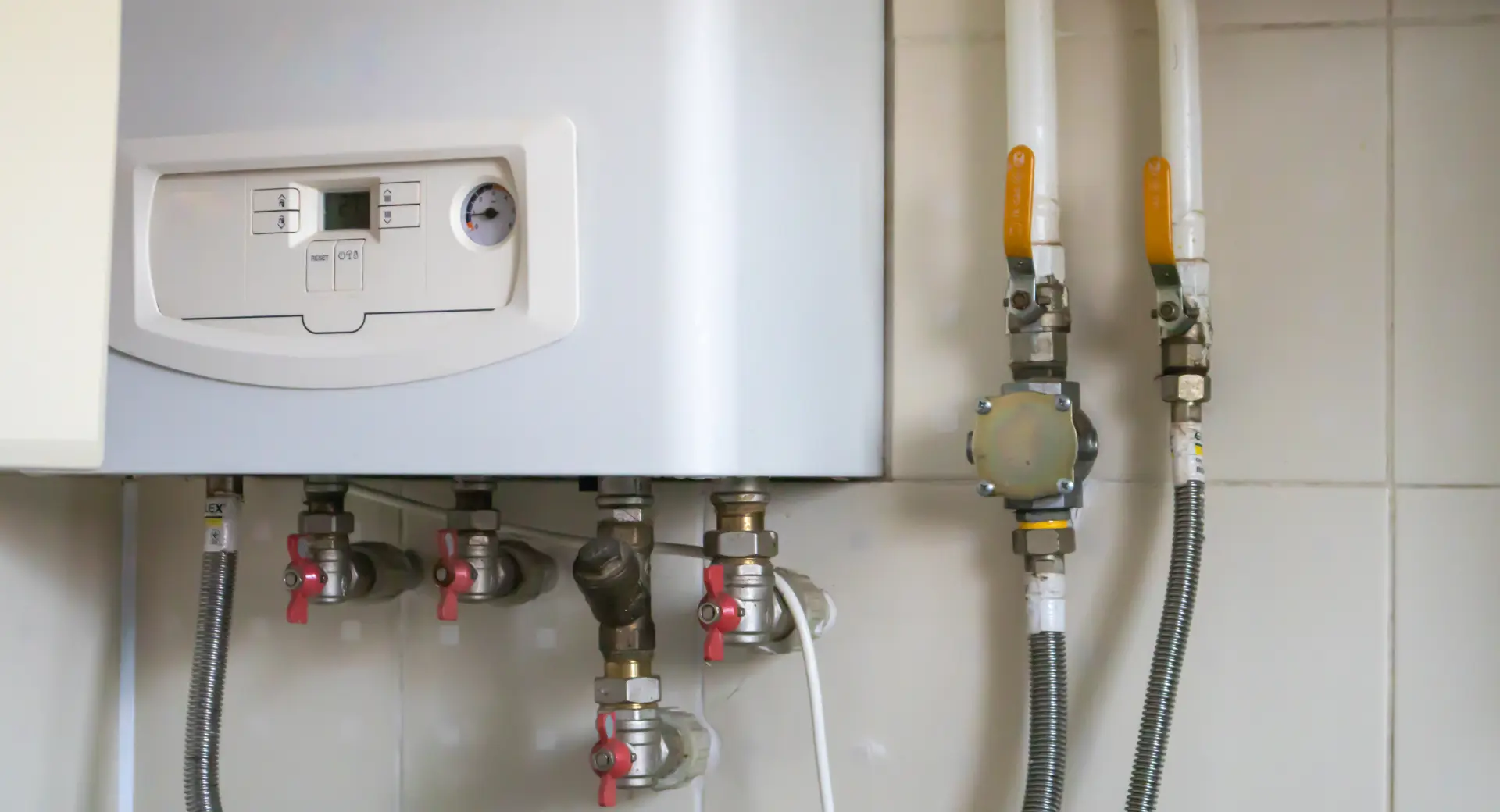
Older boilers tend to suffer from worn-out components, corrosion and reduced performance over time. As internal parts deteriorate, small problems can become major issues. This can leave you without heat or hot water when you need it most, and may even lead to an emergency call-out.
A modern boiler is designed to run more efficiently and provide a more reliable heating system. Replacing your boiler before a full breakdown can help you avoid costly disruption and ensure your home stays warm and comfortable.
Your Energy Bills Are Rising
Rising energy bills are one of the key warning signs that your boiler may no longer be working as it should. If your bills are creeping up but your energy use has not changed, your boiler could be losing efficiency.
Older boilers are often less efficient because they need to work harder to heat your home and produce hot water. This can increase running costs and heating costs over time. A boiler is struggling when it takes longer to heat your radiators, uses more fuel than before, or cannot keep your home at a comfortable temperature.
Modern boilers are much more energy efficient than many older boilers. Upgrading to an efficient boiler can reduce wasted energy and lower your long term running costs. While the cost of a new system may seem high at first, the benefits can make it a cost effective option over time.
Your Radiators Have Cold Spots
Cold spots on radiators can be a sign of problems within your heating system. If some radiators are warm at the top but cold at the bottom, or certain rooms never seem to heat properly, your boiler may be struggling to move hot water around the system.
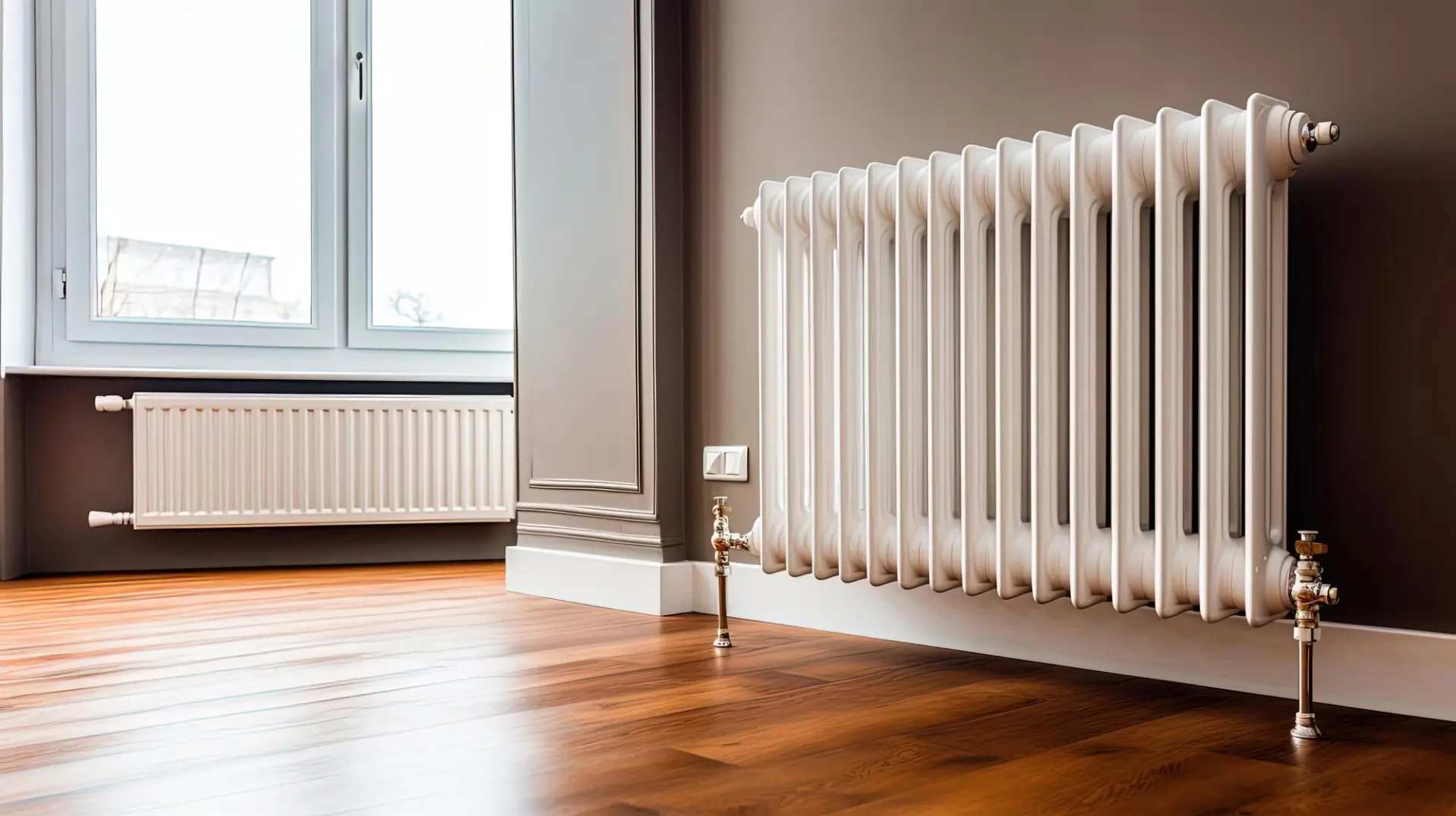
Cold spots can sometimes be caused by trapped air, sludge or low water pressure. These issues may be fixed with servicing or system cleaning. However, if the problem continues after repairs, it may point to a boiler that is no longer powerful or reliable enough for your home.
A new boiler can help improve heat distribution and support more reliable heating across the property. If your current boiler can no longer heat your home evenly, replacing it may be the best long term decision.
Strange Noises from the Boiler
If your boiler makes strange noises such as banging, whistling, gurgling or clanking sounds, it is often a warning sign that something is wrong. Boilers are designed to run quietly, so any sudden or ongoing unusual noises should never be ignored.
Banging or knocking sounds can be caused by kettling. This happens when limescale and debris build up inside the heat exchanger. The build-up restricts the water flow and causes the water to overheat, which can lead to loud sounds that are similar to a kettle boiling.
Whistling or gurgling sounds may be linked to trapped air, low water pressure or a blockage in the system. Clanking or tapping can suggest loose or failing components inside the boiler. Although some of these problems can be repaired, they can also be signs that the boiler needs replacing, especially if they keep coming back.
If your boiler starts making unusual noises, it is important to get it checked by a qualified engineer. Knowing the source of the problem can help you decide whether a repair is worth it or whether a replacement would be safer and more reliable.
Leaking or Visible Damage
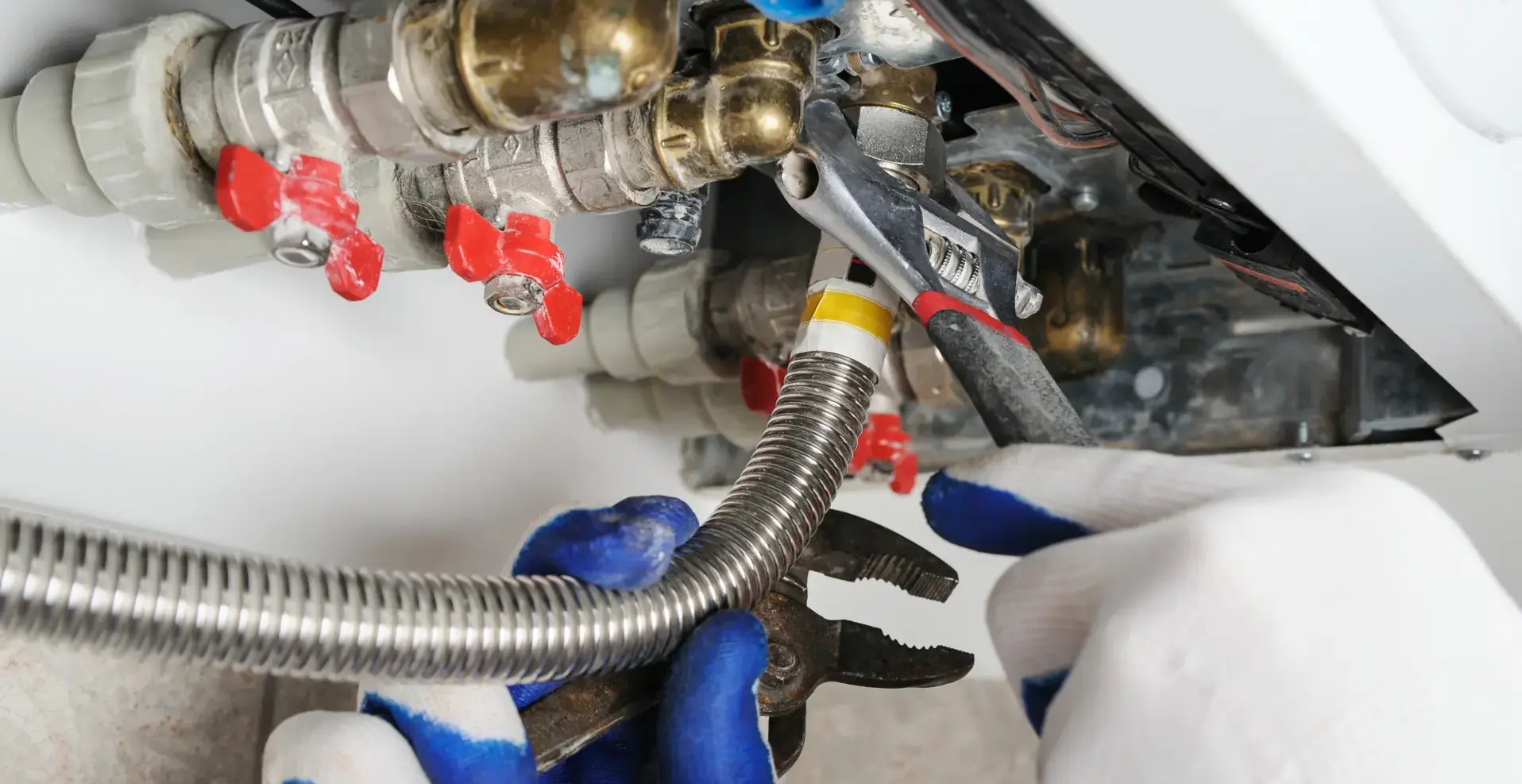
A leak from your boiler should always be taken seriously. Leaks often happen because of worn seals, corroded pipework or a damaged heat exchanger. Continuous exposure to heat and pressure can weaken internal parts and increase the risk of water escaping.
Even a small leak can lead to bigger problems if it is ignored. Leaks can cause water damage, rust, mould growth, electrical faults and full system failures. If you notice water around the boiler, damp patches nearby or signs of rust, you should stop using the system and call a qualified engineer.
Visible damage, such as cracks, rust or burn marks, is another important warning sign. Corrosion on the boiler body or pipe joints can show that moisture has been escaping for some time. Once corrosion starts, it can spread quickly and is often difficult to repair properly.
Using a damaged boiler can lead to poor efficiency, unreliable heating and possible safety issues. In serious cases, damage may increase the risk of a gas leak or carbon monoxide leak. A gas safe engineer can inspect the boiler and recommend the safest next step.
Your Boiler Struggles to Provide Hot Water
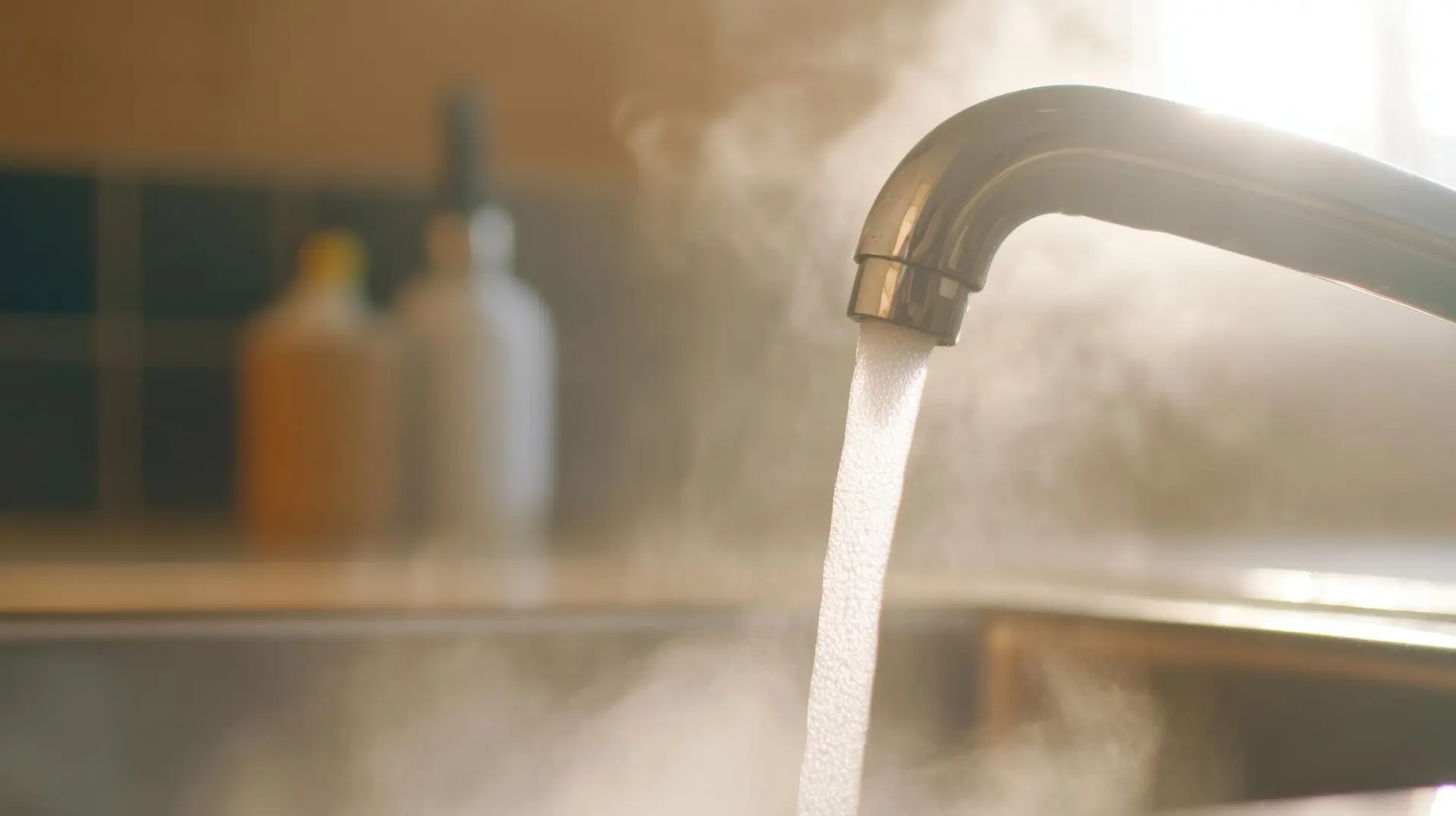
If your boiler no longer produces hot water as quickly or reliably as it used to, this could be a sign of age, wear or internal problems. You may notice that showers run cold, taps take longer to warm up, or the hot water supply changes temperature without warning.
This can happen when the boiler is struggling to meet demand or when key components are starting to fail. A repair may solve the problem in some cases, but if the issue continues, a new boiler may be the better choice.
Reliable hot water is important for daily comfort. If your boiler cannot provide enough hot water for your home, replacing it with a modern system can improve comfort, efficiency and reliability.
Safety Concerns and Carbon Monoxide Risks
Safety should always come first when dealing with boilers. A faulty boiler may become unsafe if it is not repaired or replaced in time. One of the most serious risks is carbon monoxide, which is a dangerous gas that cannot be seen or smelt.
Warning signs can include yellow or weak flames, soot marks around the boiler, a pilot light that keeps going out, or increased condensation near the appliance. You should also have a working carbon monoxide alarm in your home.
If you ever suspect a gas leak or carbon monoxide issue, leave the property and call for emergency help straight away. Do not try to fix the boiler yourself. A gas safe engineer should always check, service and repair gas boilers.
Your Boiler Is No Longer Under Warranty
A warranty can give homeowners peace of mind because it helps protect against certain repair costs. If your boiler is no longer under warranty, expensive repairs may become your responsibility.
As boilers get older, they are more likely to need repairs, and replacement parts can become harder to find. This can make each issue more costly and difficult to fix. If your boiler is out of warranty and needs regular repairs, it may be time to consider upgrading.
Many modern boilers come with a new warranty, depending on the type, model and installation. This can help reduce worry and support long term reliability.
When Repair Is No Longer Cost Effective
Many boiler problems can be repaired, but repair is not always the best choice. If your boiler is old, inefficient, costly to run and difficult to fix, replacing it may be the more cost effective option.
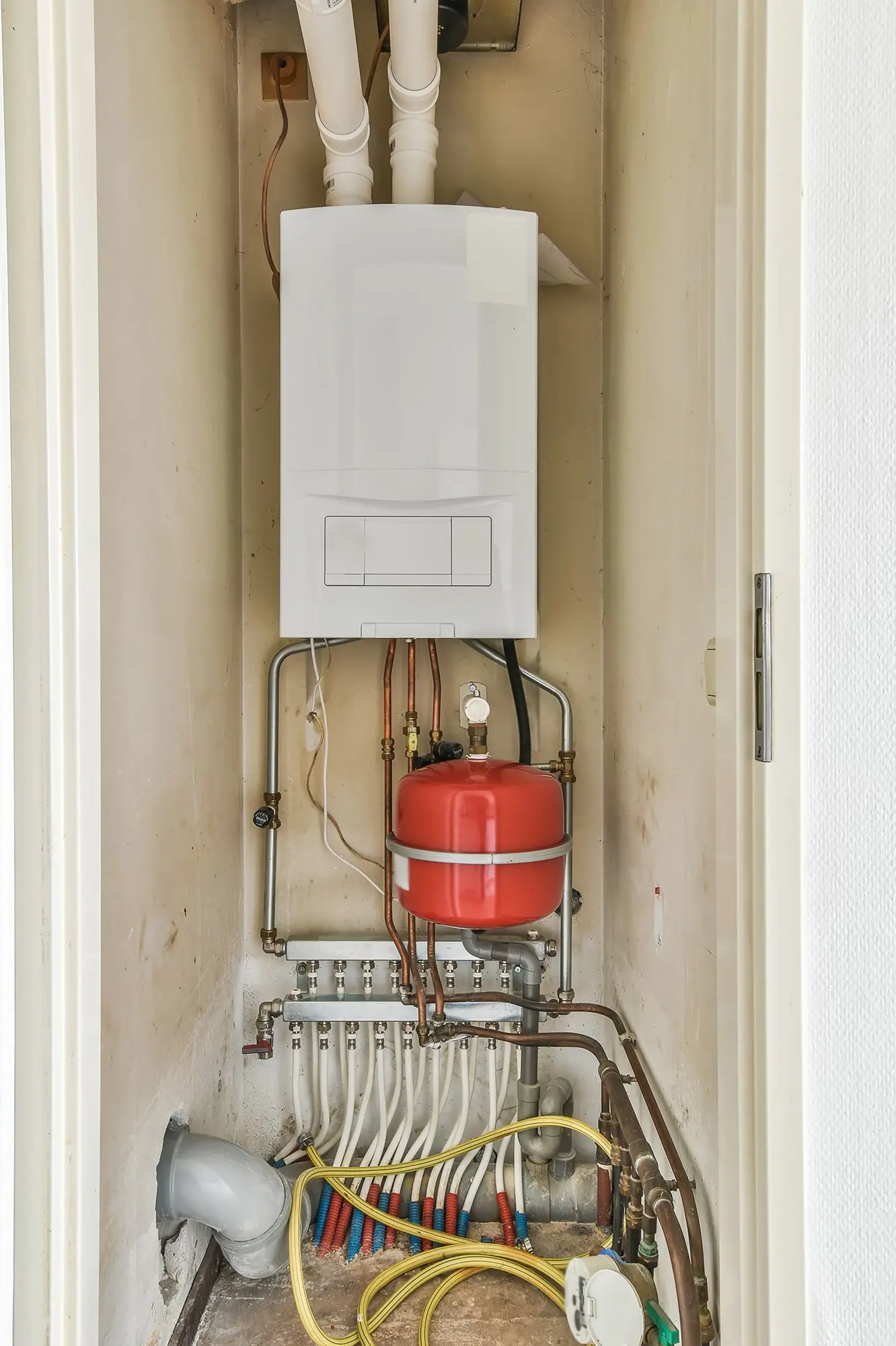
A good way to decide is to compare the repair costs with the cost and benefits of a new boiler. If the repair is expensive and the boiler may still break down again, replacement could be a better long term decision.
A new boiler can improve energy efficiency, reduce running costs, provide reliable heating and give you peace of mind. It can also help ensure your home stays warm and safe throughout the year.
Is It Time to Replace Your Boiler?
There are many signs that your boiler needs replacing. These include age, frequent breakdowns, rising energy bills, strange noises, leaks, cold spots, poor hot water and safety concerns. If you notice any of these warning signs, it is important to act before the problem becomes more serious.
Replacing your boiler can feel like a big decision, but it can bring many benefits. A modern boiler can be more efficient, more reliable and cheaper to run. It can also help keep your home warm, safe and comfortable.
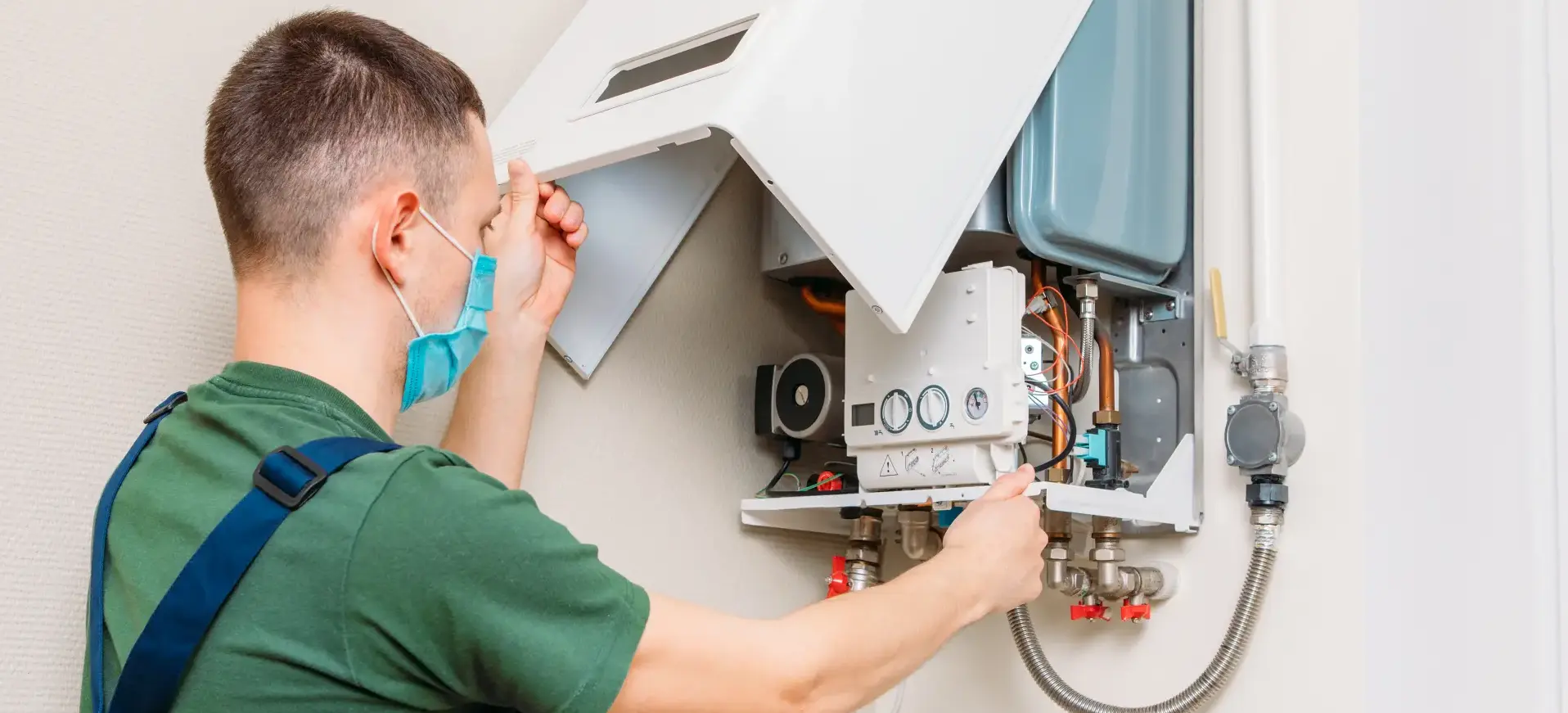
If you are unsure whether to repair or replace your boiler, get in touch with a qualified engineer today. They can inspect your system, explain your options and recommend the best solution for your home.
At A.C.O Heating And Plumbing Ltd, we specialise in replacing outdated boilers with new, energy-efficient systems that can keep your home warm and comfortable all year round. Our high-performance boilers are designed to reduce your energy consumption, lower your heating costs, and provide reliable heating.