Why Choosing the Right Boiler Matters
Choosing the right boiler is essential for keeping your home warm and supplied with hot water. A boiler that suits your needs will run efficiently, provide reliable performance, and help keep energy costs under control. On the other hand, choosing the wrong type can lead to poor heating, low water pressure, and higher bills.
Every home is different, so there is no one size fits all solution. The size of the property, the number of people living there, and how often hot water is used all affect which boiler will work best. A system that is too small may struggle to keep up with demand, while one that is too large may waste energy.
Making the right choice also helps avoid future problems. It can reduce the risk of breakdowns and improve the lifespan of the system. Taking time to understand your options ensures your boiler will meet your needs now and continue to perform well in the years ahead.
The Main Types of Boilers Explained
There are three main types of boilers commonly used in homes: combi, system, and regular boilers. Each type works in a slightly different way and is suited to different household needs. Understanding how they operate can help you make a more informed decision.
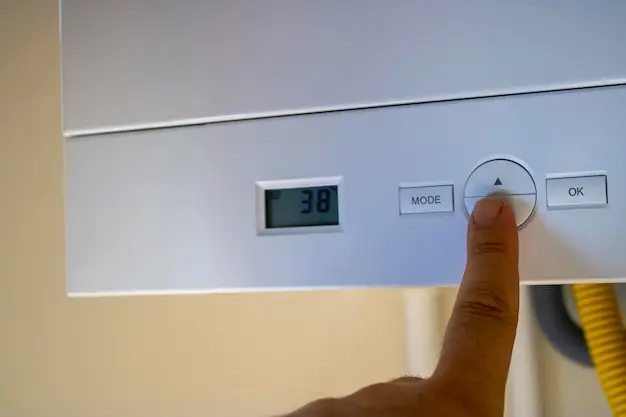
Combi boilers are compact units that provide heating and hot water directly, without the need for a separate tank. They are popular in smaller homes because they save space and provide hot water on demand. However, they can struggle when multiple outlets are used at once.
System boilers use a separate hot water cylinder to store heated water. This allows them to supply several taps or showers at the same time, making them suitable for larger homes with higher demand.
Regular boilers, also known as traditional systems, use both a hot water cylinder and a cold water storage tank. They are often found in older properties and can handle high demand but require more space and a more complex setup.
How to Work Out the Right Boiler Size
Working out the right boiler size is important to ensure your heating system performs well. Boiler size is usually measured in kilowatts, which refers to the amount of heat it can produce. Choosing the correct size helps balance performance and efficiency. A boiler that is too small may struggle to heat your home properly or supply enough hot water. This can lead to cold rooms and poor water pressure.
On the other hand, a boiler that is too large may use more energy than needed, which can increase running costs. To find the right size, you need to consider factors such as the number of radiators, the size of your property, and how many bathrooms you have.
Larger homes with more radiators will require a higher output boiler.
It is also important to think about insulation and heat loss. Well insulated homes may need less power. Taking all of these factors into account helps ensure your boiler is correctly matched to your needs.
Factors to Consider Before Buying a Boiler
Before buying a boiler, there are several important factors to consider. These help ensure the system you choose is suitable for your home and meets your daily needs. Taking time to review these points can prevent costly mistakes.
One of the main factors is the size of your home. Larger properties usually require more powerful systems, while smaller homes can often use compact boilers. The number of bathrooms and radiators also plays a role, as this affects demand.
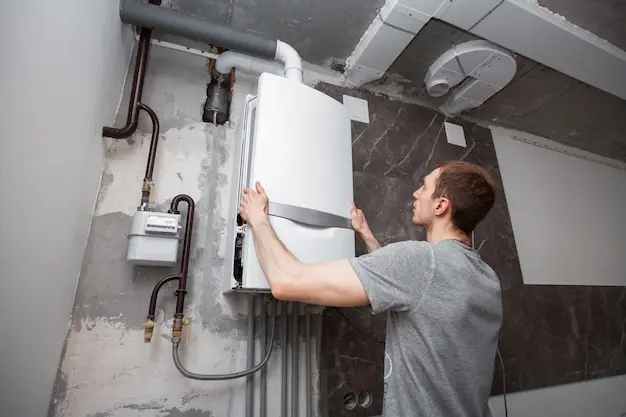
Hot water usage is another key consideration. If several people need water at the same time, a system that can store and supply it efficiently will be more suitable. Space availability is also important, especially if a cylinder or tank is required.
You should also think about energy efficiency and long term running costs. A more efficient boiler may cost more upfront but save money over time. Considering all these factors together helps ensure you make a balanced and informed decision.
Combi, System or Regular Boiler: Which One Suits Your Home?
Choosing between a combi, system, or regular boiler depends on your home and how you use heating and hot water. Each type offers different benefits and is suited to different situations.
Combi boilers are ideal for smaller homes with limited space and lower demand. They provide hot water on demand and do not need additional tanks. System boilers are better for medium to larger homes where multiple taps may be used at once.
Regular boilers are often suited to older homes with existing systems and higher water demand. They can supply several outlets at the same time but require more space.
Understanding how each type works helps you choose the most suitable option for your property.
How Many Bathrooms and Radiators Do You Have?
The number of bathrooms and radiators in your home is a key factor when choosing the right boiler. These elements directly affect how much heating and hot water your system needs to provide. A property with one bathroom and a few radiators will have very different requirements compared to a larger home with multiple bathrooms.
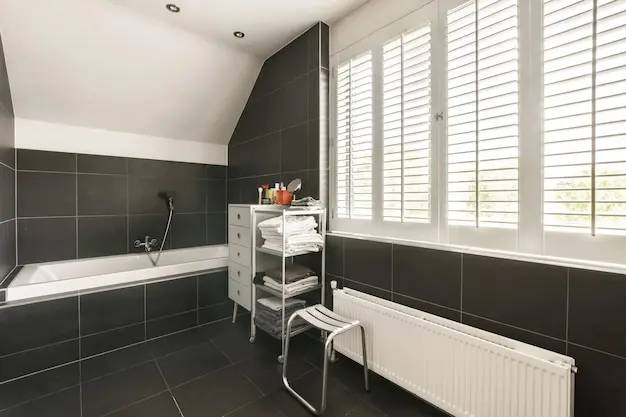
If your home has several bathrooms, it is likely that more than one tap or shower will be used at the same time. In this case, a boiler that can supply hot water to multiple outlets is important. System and regular boilers are often better suited to this type of demand because they store hot water for use across the home.
Radiators also play a role in determining the boiler output required. More radiators mean a higher heat demand, so the boiler must be powerful enough to keep every room warm.
Considering both bathrooms and radiators helps ensure your boiler can handle your home’s needs without struggling or wasting energy.
Your Hot Water Usage and Daily Needs
Your daily use of hot water is an important factor when choosing a boiler. It is not just about how many people live in the home, but also how and when hot water is used. Different routines can create different levels of demand. For example, if several people need showers in the morning, your system must be able to keep up. In smaller households, where hot water is used one tap at a time, a combi boiler may be suitable.
However, in larger homes, demand can be much higher. System and regular boilers are often better for homes with greater usage. They store hot water, allowing it to be used across multiple outlets at once. This helps avoid pressure drops or running out of hot water.
Understanding your daily habits helps you choose a system that fits your lifestyle. It ensures you have enough hot water when you need it, without unnecessary strain on the boiler.
Energy Efficiency and Running Costs
Energy efficiency is an important consideration when choosing a boiler, as it affects both environmental impact and household costs. A more efficient boiler uses less fuel to produce the same level of heating and hot water, which can lead to noticeable savings over time.
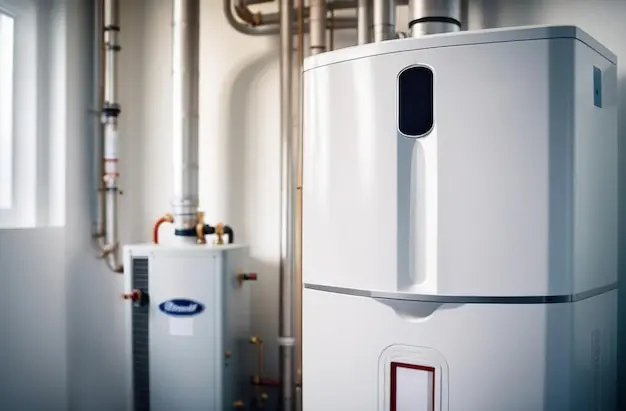
Modern boilers are designed to be more efficient than older models. Many include features that help reduce energy use, such as improved heat exchangers and better controls. Combi boilers are often efficient because they heat water only when needed, while system and regular boilers can also perform well with proper insulation and controls.
Running costs will vary depending on how the system is used. A household with higher demand may use more energy overall, but choosing the right boiler type can help manage this effectively.
Investing in an efficient system may involve a higher initial cost, but it can reduce energy bills in the long term. This makes it an important factor to consider.
Available Space for Your Boiler
The amount of space available in your home can influence which type of boiler is most suitable. Some systems require more room than others, so it is important to consider this before making a decision.
Combi boilers are the most compact option. They do not need a hot water cylinder or storage tank, which makes them ideal for smaller properties. They can often be fitted in cupboards or small utility areas.
System boilers require a hot water cylinder, so additional space is needed. Regular boilers require even more room, as they need both a cylinder and a cold water storage tank.
Understanding your available space helps ensure the boiler can be installed properly and used comfortably.
Fuel Type and Existing Heating Setup
The type of fuel your home uses and your existing heating setup are important factors when choosing a boiler. Most homes use gas boilers, but some properties rely on oil, electricity, or other fuel types, especially in areas without a mains gas supply.
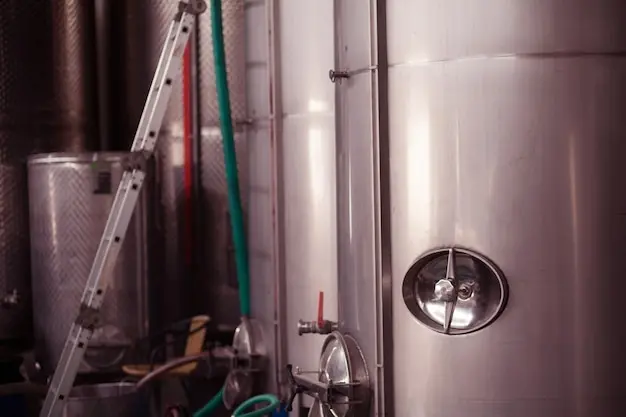
Your current system can also affect what is most practical. If your home already has a regular boiler with tanks and a cylinder, replacing it with a similar system may be easier and more cost effective. Changing to a different type, such as a combi boiler, may require additional work to remove tanks and adjust pipework.
Fuel availability can influence both installation and running costs. Gas is often more cost effective where available, while electric systems may be simpler but can be more expensive to run. Oil systems are common in rural areas but require fuel storage.
Considering both fuel type and your existing setup helps ensure a smoother installation process and a system that works well with your home.
Installation Costs and Ongoing Maintenance
Installation costs are an important part of choosing a boiler. The total cost will depend on the type of system, the work required, and whether you are replacing an existing boiler or changing to a different setup. Combi boilers are often less expensive to install, while system and regular boilers may require additional components, which can increase the cost.
Changing from one type of boiler to another can also add to the expense. For example, switching from a regular boiler to a combi system may involve removing tanks and making changes to pipework. These adjustments can increase labour time and overall cost.
Ongoing maintenance should also be considered. All boilers require regular servicing to keep them running safely and efficiently. Annual checks help identify problems early and can extend the life of the system. Balancing installation costs with long term maintenance helps ensure you choose a boiler that offers good value over time.
Why Professional Advice Is Important
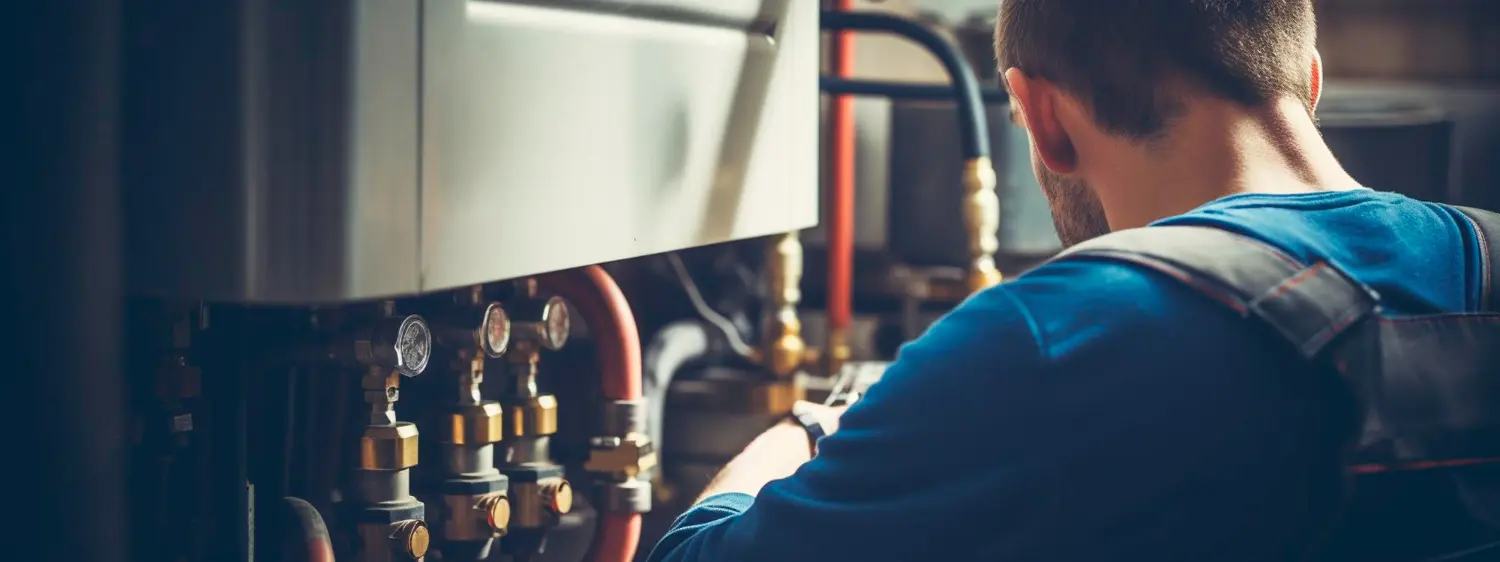
Getting professional advice is one of the best ways to ensure you choose the right boiler for your home. A qualified engineer can assess your property, understand your needs, and recommend a system that will work effectively. This helps avoid costly mistakes and ensures the boiler is properly suited to your requirements.
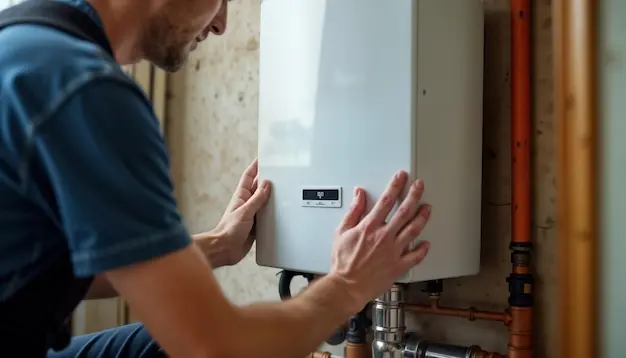
An engineer will consider factors such as property size, number of radiators, water usage, and existing pipework. They can also advise on the most efficient options available and explain the benefits of each system in simple terms. This guidance can make the decision process much clearer.
Professional installation is equally important. A correctly fitted boiler will run more efficiently and safely, reducing the risk of future problems. It also ensures the system meets current regulations and standards.
By seeking expert advice, you can feel confident in your choice and ensure your heating system provides reliable performance for years to come.
Our trusted team provides professional boiler installation across Watford, Kings Langley, and St Albans. We ensure every new boiler is fitted to the highest standards, giving you reliable heating and hot water tailored to your household’s exact needs and budget.