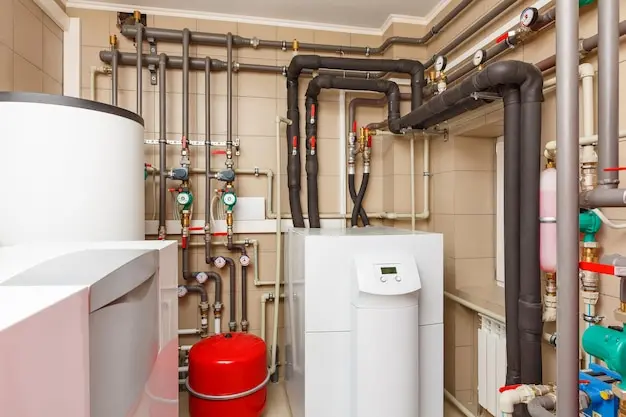
Common Signs Your Boiler Needs Repair
A boiler can show several warning signs before it stops working completely. One of the most common is a noticeable change in how well it heats your home. Radiators may take longer to warm up, certain rooms may remain cold or the hot water may not reach the temperature you normally expect. These changes can point to a developing fault.
Another sign is an unexpected change in boiler pressure. If the pressure regularly falls below its normal level, or rises much higher than usual, there may be an issue somewhere in the heating system. Repeatedly adjusting the pressure without finding the cause may only hide the problem for a short time.
Unusual sounds can also suggest that something is wrong. Banging, whistling, rattling or gurgling noises should not simply be accepted as part of an ageing heating system. They can be linked to trapped air, poor water flow, worn parts or a build-up of material inside the boiler or pipes.
Leaks, warning lights, error messages and unexplained increases in energy use are also worth taking seriously. Even if the boiler continues to operate, a small fault may place extra strain on other parts. Arranging an inspection when you first notice a change can make the repair easier and may reduce the chance of a sudden breakdown.
Why Small Boiler Problems Can Get Worse Quickly
A boiler is made up of many parts that work together. When one part starts to perform poorly, it can affect the rest of the system. A small issue with water flow, pressure or temperature control may cause other parts to work harder than they normally would, increasing wear over time.
For example, a minor loss of pressure may seem manageable if you can restore it yourself. However, if the pressure keeps falling, there may be a leak or another fault that needs attention. Continuing to refill the system does not deal with the cause and could allow the underlying problem to become more serious.
The same applies to unusual sounds and slower heating. These symptoms may develop gradually, which can make them easy to ignore. However, poor circulation, worn components or deposits inside the system can reduce performance further and place unnecessary stress on the boiler each time it operates.
Early repairs are often simpler because the fault may still be limited to one area. Once additional parts become affected, the work can become more involved. Paying attention to changes in the way the boiler behaves gives you the chance to deal with problems before they interrupt your heating or hot water completely.
Strange Noises and What They Could Mean
Boilers normally make some sound while operating, but new or unusually loud noises deserve attention. A banging sound, for example, can sometimes be linked to water that is not moving through the system properly. It may also be connected to deposits, trapped air or changes in water temperature inside the boiler.
Whistling sounds can have several possible causes. Restricted water flow can sometimes cause water inside the system to become hotter than intended. A build-up of material on certain internal parts may also affect how heat is transferred. Because different faults can produce similar noises, the sound alone is not enough to confirm the cause.
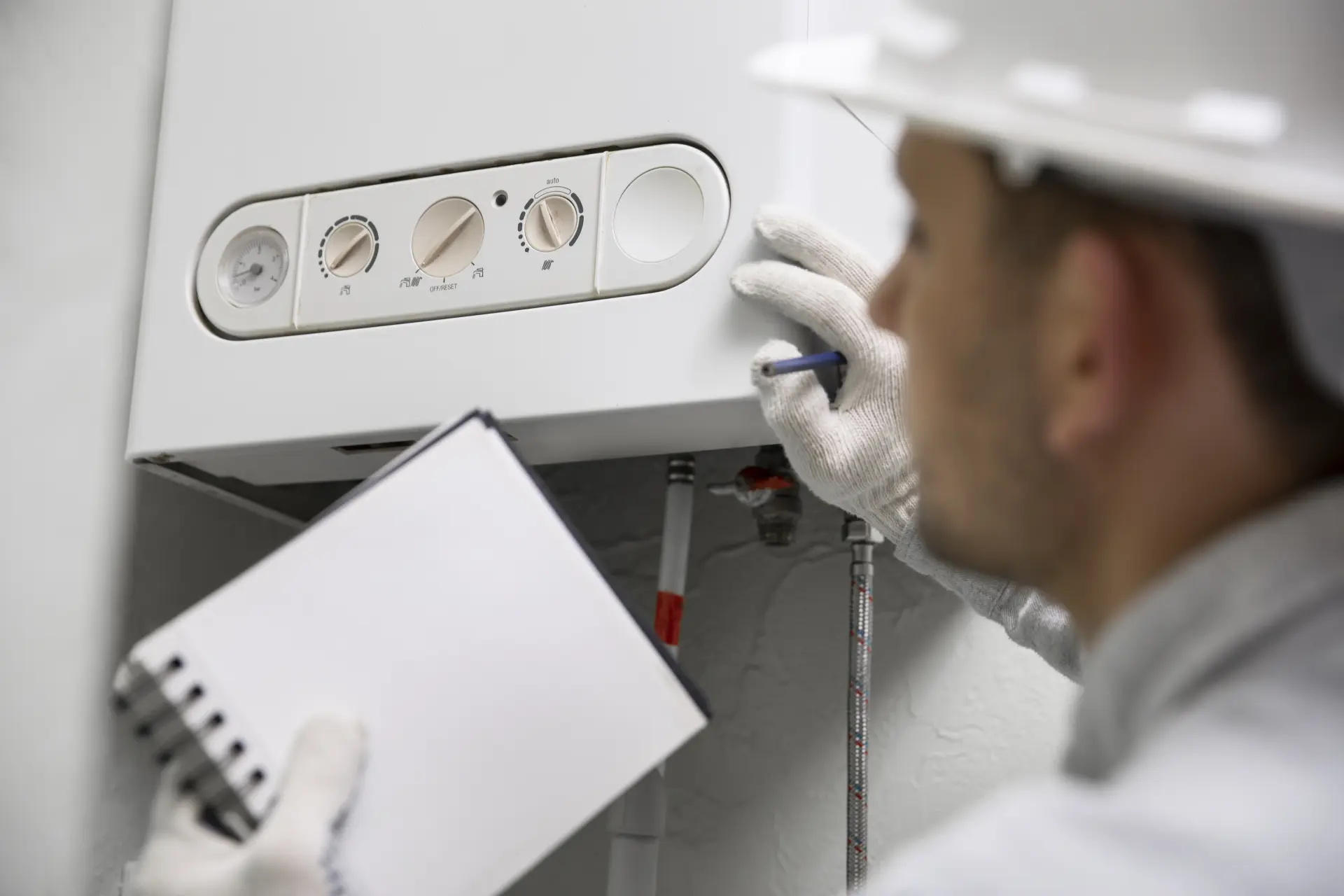
Gurgling noises are often associated with air or water movement. Air trapped within radiators or pipes can affect circulation and produce noticeable bubbling sounds. In some situations, low pressure or a problem with the flow of water through the heating system may create similar symptoms.
Rattling or vibrating can sometimes come from loose fittings, worn parts or nearby pipework rather than the boiler itself. If a sound is new, becoming louder or accompanied by poor heating, leaks or warning messages, it should be investigated. A heating professional can inspect the system and identify the source instead of relying on guesswork based only on the noise.
What to Do if Your Boiler Keeps Losing Pressure
Boiler pressure can change slightly as a heating system operates, but repeated pressure loss is not something to ignore. If the pressure drops regularly, the first step is to check the boiler display or pressure gauge and follow the manufacturer's instructions for the correct operating range.
Some boilers allow the pressure to be restored using the filling system. If you know how to do this safely and the manufacturer's instructions explain the process, you may be able to bring the pressure back to the recommended level. However, repeatedly restoring the pressure is not a long-term solution if it continues to fall.
A loss of pressure may be caused by a leak somewhere in the heating system. Check visible pipes, radiator valves and the area around the boiler for signs of moisture. A leak can sometimes be very small, so you may notice staining, damp patches or corrosion rather than a large amount of water.
Pressure problems can also be caused by faults inside the boiler or other parts of the heating system. If you cannot find a visible leak, or the pressure drops again soon after being restored, professional inspection is sensible. Finding the cause can prevent further water loss, improve heating performance and reduce unnecessary strain on the system.
Why Your Boiler May Stop Heating Your Home Properly
Poor heating does not always mean the boiler has completely failed. Sometimes it continues to operate but cannot move enough heat through the property. You may notice that radiators take longer to warm up, some remain cooler than others or your home never reaches the temperature set on the heating controls.
The problem could involve circulation within the heating system. Trapped air, restrictions or poor water flow can prevent heat from being distributed evenly. A radiator that is hot at the bottom but colder at the top, for example, may contain trapped air, while other temperature patterns can point to different circulation problems.
Heating controls can also cause difficulties. A thermostat, timer or control setting that is not working correctly may prevent the boiler from switching on when expected. Before assuming the boiler itself has failed, check the controls and make sure the settings have not been changed accidentally.
If the controls appear correct and the system still performs poorly, the boiler may need professional attention. Sensors, pumps and other internal parts can affect heating performance. A proper inspection can identify whether the problem is with the boiler, the controls or the wider heating system, allowing the correct repair to be carried out.
When a Boiler Leak Needs Professional Attention
Any unexplained water coming from a boiler should be taken seriously. A small drip may seem harmless, particularly if the boiler continues to provide heating and hot water, but leaks can develop for several reasons and may become worse if they are left unresolved.
Water may escape from a connection, seal, valve or internal component. The location of the leak can provide useful information, but removing boiler covers or attempting internal repairs is not suitable for a householder. Boilers contain parts that should only be inspected or repaired by someone with the appropriate training.
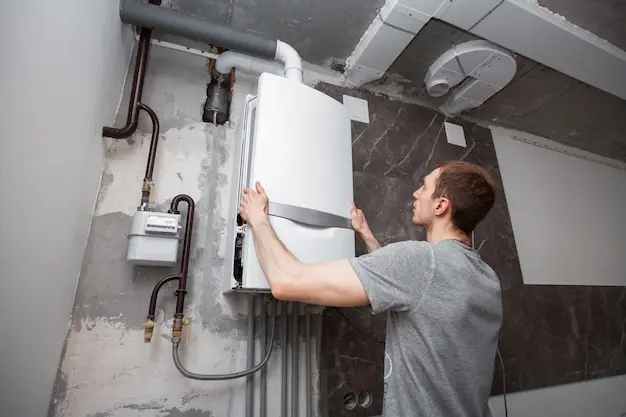
A leak becomes particularly concerning if water is spreading, reaching electrical equipment or causing the boiler pressure to fall repeatedly. If this happens, keep away from affected electrical fittings and seek professional help. Follow the boiler manufacturer's guidance if you need to switch the appliance off safely.
Even a slow leak can cause damage over time. Moisture may affect nearby flooring, cupboards, walls or fittings, while continuing water loss can interfere with the heating system. Having the source identified early can reduce damage and help prevent a relatively simple repair from becoming a larger problem involving the boiler and the surrounding property.
The Risks of Ignoring Boiler Warning Signs
Ignoring boiler warning signs can allow a manageable fault to develop into a complete breakdown. A boiler that is struggling to maintain pressure, circulate water or control temperature may continue running for a period, but other components can experience additional strain while the original problem remains unresolved.
There is also a practical risk. Boiler faults often become more noticeable when the heating system is being used heavily. A problem that seems minor during milder weather could become much more disruptive during colder conditions, when losing heating and hot water has a greater effect on the household.
Leaks and repeated pressure problems may also cause damage beyond the boiler. Water can affect flooring, walls, cupboards and electrical fittings. Even when the amount of water appears small, continued leaking over a long period can create damp areas and damage nearby materials.
Warning messages, unusual smells, leaks, unexpected shutdowns and significant changes in performance should therefore be investigated rather than repeatedly reset or ignored. Acting early does not guarantee that a repair will be simple, but it gives a professional a better chance to identify the problem before further damage develops. It can also make it easier to plan the repair instead of dealing with a sudden loss of heating.
Boiler Repair or Replacement: How to Decide
Whether to repair or replace a boiler depends on more than the price of one repair. The age of the boiler, its condition, its history of faults and the availability of replacement parts can all influence which option makes the most sense for the household.
A relatively modern boiler with a single repairable fault may have many useful years left. If it has otherwise been reliable and replacement parts are readily available, repairing the problem could be the most practical choice. A professional can explain what has failed and whether other parts appear to be in reasonable condition.
Replacement may deserve more consideration when an older boiler develops repeated faults. Paying for several repairs within a short period can become expensive, particularly if the appliance is also inefficient compared with newer options. Difficulty finding parts may make future repairs less predictable as well.
Before deciding, ask for a clear explanation of the fault, repair cost and expected condition of the boiler afterwards. It is also useful to compare this with the cost and possible benefits of replacement. There is no single boiler age or repair price that automatically makes replacement the right choice. The best decision depends on the individual system, property and household priorities.
How Regular Servicing Can Reduce the Need for Repairs
Regular boiler servicing provides an opportunity to identify developing problems before they cause a breakdown. During a service, the boiler can be checked for signs of wear, leaks, poor operation and other issues that may not yet be obvious during normal use.
A service can also help confirm that the boiler is operating as intended. Heating systems work repeatedly over many months, and components can gradually wear or become less effective. Finding a minor issue during a planned visit may allow it to be dealt with before it causes another part of the system to struggle.
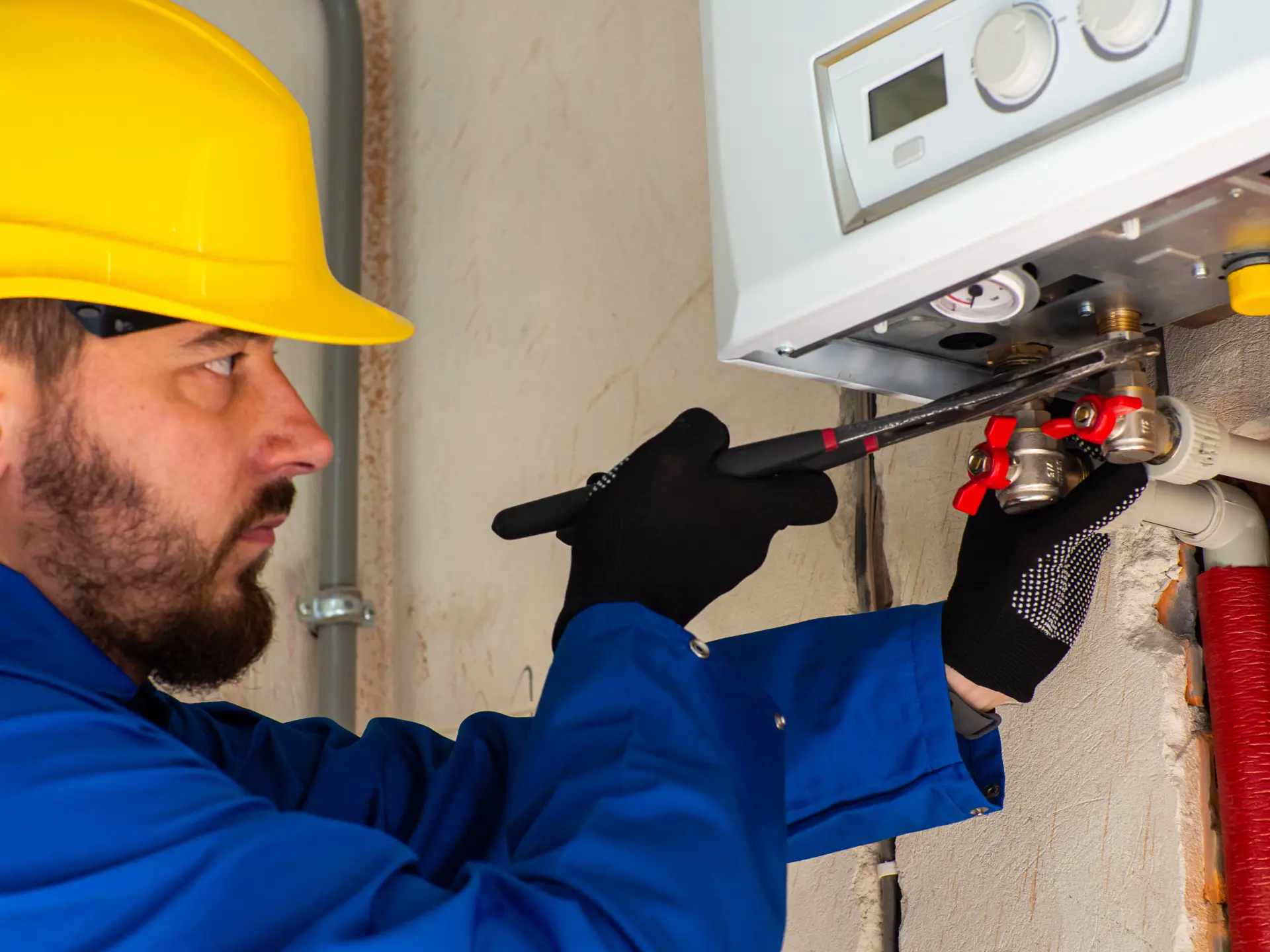
Servicing is different from repairing a known fault. A service is mainly a planned check of the appliance, while a repair deals with a specific problem. If the boiler is leaking, repeatedly shutting down or showing another clear fault, waiting for the next routine service may not be appropriate.
Keeping a record of servicing can also make changes easier to understand. If a professional can see previous findings and maintenance work, it may help provide useful background when investigating a new problem. Regular attention cannot prevent every fault, but it can support reliable operation and reduce the chance that unnoticed problems will continue for long periods.
What to Expect During a Boiler Repair Visit
A boiler repair visit usually begins with a discussion about the problem. Explain what you have noticed, when it started and whether anything appears to make it better or worse. Information about unusual sounds, error messages, pressure changes or recent work on the heating system can help with the investigation.
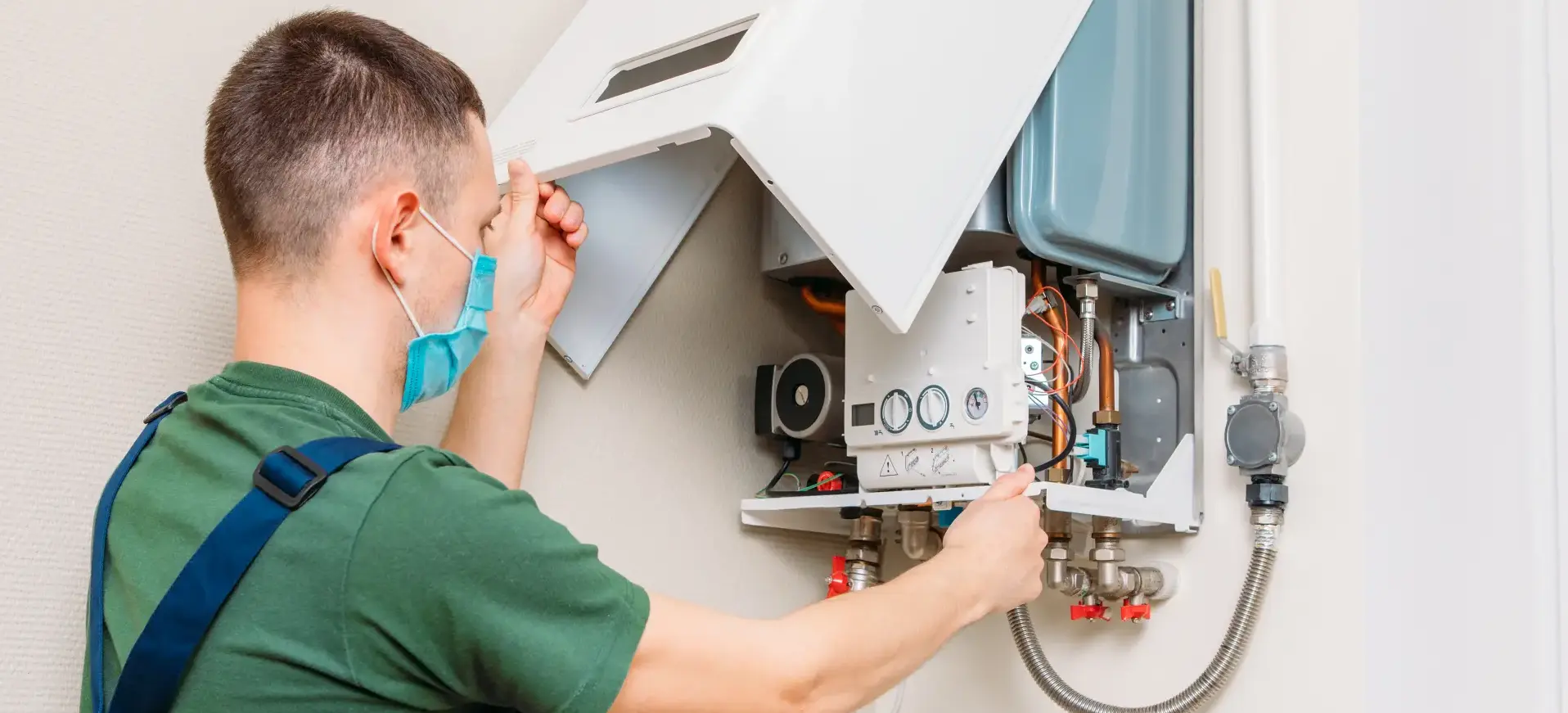
The engineer will normally inspect the boiler and relevant parts of the heating system. They may check controls, pressure, water flow and internal components depending on the symptoms. Some faults can be identified quickly, while others require a process of testing to rule out several possible causes.
Once the problem has been found, you should be told what needs repairing and what the work involves. If a replacement part is required, the repair may be completed during the same visit when the correct part is available. If it is not available, a further visit may be necessary.
After the repair, the boiler should be tested to make sure it operates correctly. The engineer may also explain any settings that have been changed and advise you about signs to watch for. Before the visit ends, make sure you understand what was repaired and whether any further work or monitoring is recommended.
How Long Do Boiler Repairs Usually Take?
There is no single amount of time that applies to every boiler repair. A straightforward problem that can be diagnosed easily and repaired with a part already available may be completed during one visit. More complicated faults can take longer to investigate and resolve.
Diagnosis is often an important part of the process. Two boiler problems can create very similar symptoms, so an engineer may need to carry out several checks before deciding what has failed. This can take longer than simply replacing a part, but careful diagnosis helps avoid unnecessary work.
The availability of replacement parts can also affect the repair time. Common components may be readily available, while parts for older or less common boilers may need to be ordered. In that situation, the boiler might require a second appointment before the repair can be completed.
Access can make a difference as well. A boiler installed in a restricted cupboard or an area that is difficult to reach may take longer to work on. Rather than relying on a fixed estimate, ask what the engineer expects once the fault has been inspected. They should be able to explain whether the repair is likely to be completed immediately or whether further work is required.
How Long Do Boiler Repairs Usually Take?
There is no single amount of time that applies to every boiler repair. A straightforward problem that can be diagnosed easily and repaired with a part already available may be completed during one visit. More complicated faults can take longer to investigate and resolve.
Diagnosis is often an important part of the process. Two boiler problems can create very similar symptoms, so an engineer may need to carry out several checks before deciding what has failed. This can take longer than simply replacing a part, but careful diagnosis helps avoid unnecessary work.
The availability of replacement parts can also affect the repair time. Common components may be readily available, while parts for older or less common boilers may need to be ordered. In that situation, the boiler might require a second appointment before the repair can be completed.
Access can make a difference as well. A boiler installed in a restricted cupboard or an area that is difficult to reach may take longer to work on. Rather than relying on a fixed estimate, ask what the engineer expects once the fault has been inspected. They should be able to explain whether the repair is likely to be completed immediately or whether further work is required.
Ways to Help Prevent Future Boiler Problems
One of the most useful ways to reduce boiler problems is to pay attention to small changes in performance. Pressure loss, unusual noises, slow heating and repeated error messages should be dealt with early rather than accepted as normal. Early investigation can prevent unnecessary strain on the system.
Regular servicing is also important. A planned boiler service gives a professional the opportunity to check operation, identify wear and highlight problems that could require attention. Following the manufacturer's recommended servicing and maintenance guidance can help the appliance operate reliably.
The wider heating system deserves attention too. Radiators, controls, valves and pipework all affect how the boiler performs. If parts of the system are not working properly, the boiler may struggle to distribute heat efficiently. Report leaks and persistent cold areas rather than focusing only on the appliance itself.
Finally, use the boiler according to the manufacturer's instructions. Avoid repeatedly resetting the appliance when a fault keeps returning, and do not remove covers or attempt work that requires specialist knowledge. Knowing where the controls are, understanding the normal pressure range and keeping repair and service records can make it easier to notice changes and respond before they become major problems.
Need fast and reliable boiler repairs, boiler installations, or emergency plumbing in Watford, Kings Langley or St Albans? A.C.O Heating And Plumbing Ltd provides expert diagnostics, repairs, and servicing to keep your heating system running safely and efficiently.