What Counts as a Plumbing Emergency?
A plumbing emergency is generally a problem that creates an immediate risk of significant property damage, loss of an essential water service or danger to people in the building. A burst pipe releasing a large amount of water is a clear example because damage can spread rapidly.
Not every drip or blocked sink requires emergency attendance. A slowly leaking tap that can be contained safely may be suitable for a normal repair appointment. The key questions are how quickly the problem is developing, whether the water can be controlled and what could be damaged if it continues.
Toilet problems may become urgent when there is no other usable toilet in the property or wastewater is overflowing into the home. A serious blocked drain can also require immediate attention if wastewater is backing up through toilets, baths, showers or other outlets.
Leaks near electrical fittings, ceilings that are filling with water and complete unexplained loss of the water supply can also justify urgent help. When deciding what to do, consider both the current problem and what could happen during the next few hours. If water cannot be contained safely or there is an immediate risk to the property, emergency assistance is usually the appropriate choice.
What to Do First During a Plumbing Emergency
Your first priority should be safety. If water is flowing into areas containing electrical equipment, sockets or other electrical fittings, do not enter the affected area or touch anything wet that could be live. Seek suitable professional advice and keep other people away.
If the problem can be approached safely, try to stop the water supply. The main internal stop tap can usually shut off water entering the property. Individual fixtures may also have isolation valves, allowing you to stop water to one toilet, tap or appliance without shutting down the whole home.
Once the water is controlled, reduce damage where possible. Move belongings away from the affected area and use containers or towels to catch small amounts of water if it is safe to do so. Avoid standing under a ceiling that is visibly bulging or heavily saturated.
Contact a plumber and explain exactly what has happened. Mention whether the water has been turned off, how quickly it was escaping and whether electrical equipment or ceilings are affected. This allows the plumber to understand the seriousness of the situation. Do not spend too long attempting a repair yourself when water is still spreading, as delaying professional help can increase the damage.
Burst Pipes and How to Limit Water Damage
A burst pipe can release a large amount of water in a short time, so controlling the supply is the first priority. If you can reach the property's main internal stop tap safely, turn it off to reduce or stop the flow of water.
Once the supply is off, open appropriate cold taps if advised for your plumbing system to help release remaining water and pressure. Do not use electrical appliances in wet areas, and keep away from electrical fittings that may have been exposed to water.
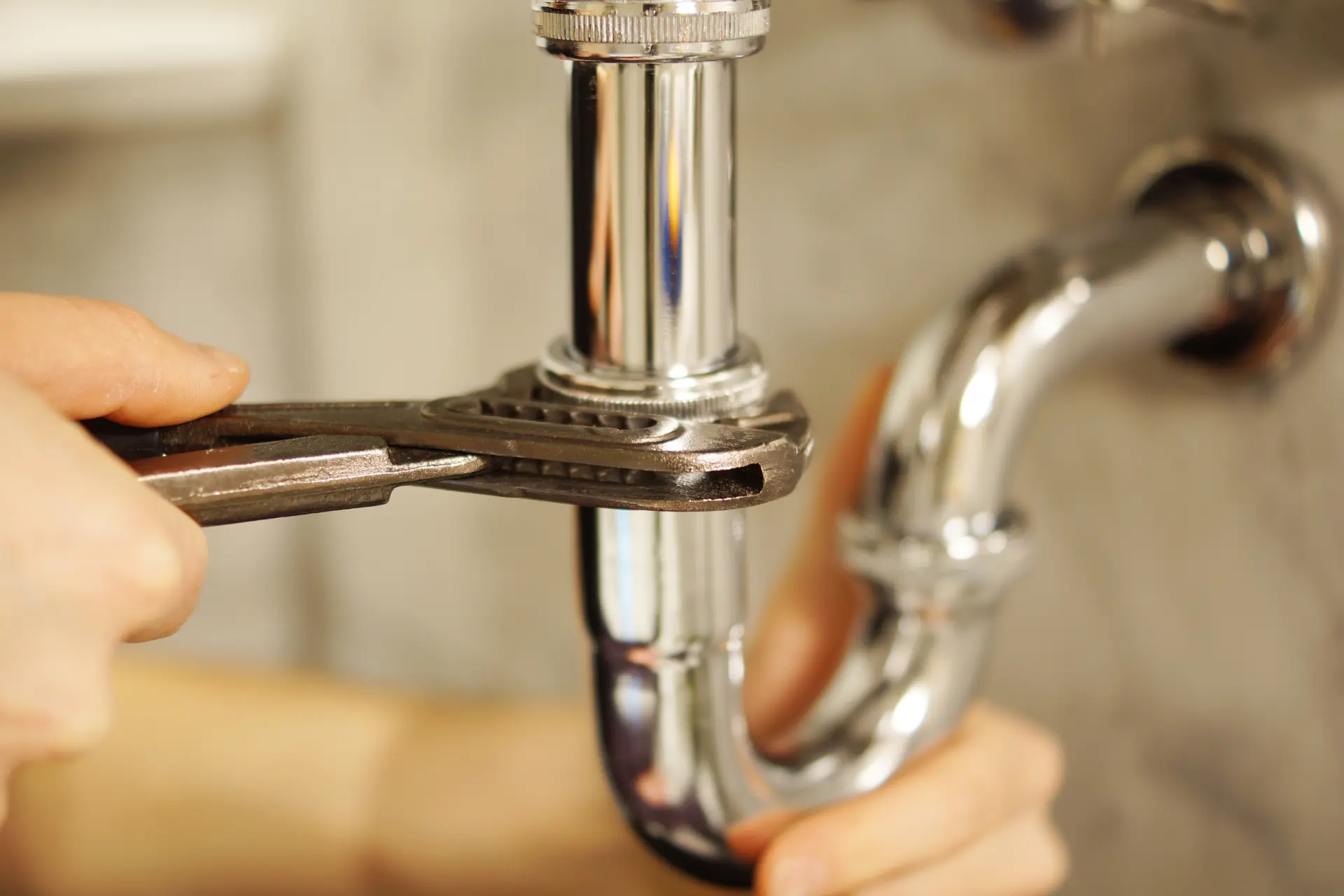
Protect belongings where it is safe to do so. Move furniture, electronics, documents and other valuable items away from the leak. Containers and absorbent materials can help control remaining drips, but they should only be used if reaching the area does not put you at risk.
A burst pipe needs proper repair even if the flow stops when the water is isolated. Contact a plumber and explain where the pipe is located and how much water escaped. After the plumbing repair, parts of the property may also need drying or further inspection. Walls, floors and ceilings can retain moisture even when the surface appears dry, so the effects of a major leak should not be judged only by what is immediately visible.
Major Water Leaks That Need Urgent Attention
A major leak is any uncontrolled release of water that is likely to cause significant damage if it continues. This may come from a pipe, water tank, appliance connection, bathroom fitting or another part of the plumbing system.
The seriousness of a leak depends on both its size and its location. Water flowing onto a tiled floor may initially be easier to contain than water escaping inside a ceiling or wall. Hidden leaks can spread into building materials before they become clearly visible.
Leaks close to electrical equipment need particular care. Do not touch wet sockets, lights, appliances or wiring. Keep away from the affected area and seek appropriate professional assistance. If you can shut off the water from a safe location, doing so can help limit further damage.
Even after the water has stopped, the source still needs to be identified and repaired. Do not assume the problem is solved simply because the visible flow has slowed. Pressure changes or movement in the pipe may cause it to begin leaking again. An emergency plumber can investigate the cause, isolate the damaged section where possible and carry out or arrange the repair needed to restore the water system safely.
What to Do if a Pipe Will Not Stop Leaking
If a pipe continues leaking despite your attempts to contain the water, locate the main internal stop tap and turn off the incoming supply if it is safe to do so. This is usually the most effective way to prevent additional water entering the damaged pipework.
Some plumbing systems contain stored water, which means the leak may continue for a while after the main supply has been shut off. A plumber can advise what additional steps are appropriate for the type of system in your property. Avoid dismantling pipework without understanding where stored water may be present.
Place a container beneath the leak if this can be done safely and move vulnerable belongings away. If water is passing through a ceiling or near electrical equipment, keep clear of the area rather than concentrating on catching every drip.
Call a plumber and explain that the leak is continuing even after you have taken steps to isolate the water. Describe whether the water appears to be coming from a supply pipe, heating pipe or another source if you know. A leak that cannot be controlled with the usual isolation methods needs prompt investigation because water may continue spreading into areas that are difficult to see.
Overflowing Toilets and When to Call for Help
An overflowing toilet can quickly become unhygienic and damage nearby flooring. If the water level is rising, stop using the toilet immediately. Continuing to flush can add more water to the bowl and make the overflow worse.
If the toilet has a suitable isolation valve and you know how to use it, shutting off its water supply may prevent the cistern from refilling. Keep children and pets away from the affected area, particularly if wastewater has escaped onto the floor.
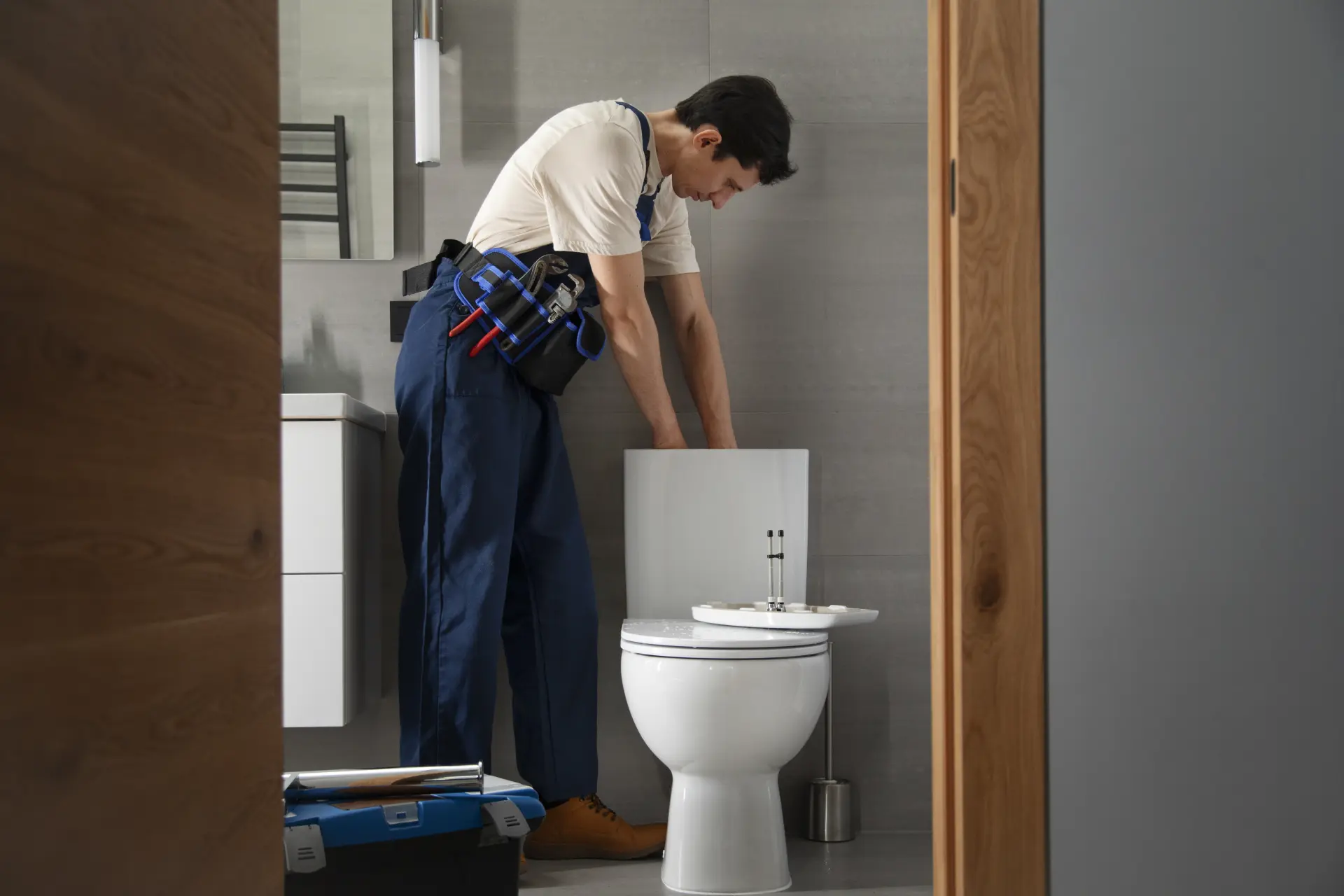
A simple blockage may sometimes be cleared without specialist work, but repeated overflow, wastewater backing up from other drains or several blocked fixtures can suggest a wider drainage problem. In these cases, repeatedly using the toilet or adding more water to the system can increase the amount of wastewater entering the property.
Call for urgent help if the overflow cannot be controlled, wastewater is spreading or there is no other working toilet available in the home. Tell the plumber whether other sinks, baths or toilets are affected, as this can help identify where the blockage may be located. After the problem is repaired, affected surfaces should be cleaned appropriately because wastewater may contain harmful contamination.
Blocked Drains That Become an Emergency
Many blocked drains begin as slower drainage rather than an emergency. A sink or shower that empties slowly can usually be investigated before the problem becomes serious. However, a blockage becomes urgent when wastewater starts returning into the property or essential facilities can no longer be used.
One warning sign is water rising in another fixture when a toilet is flushed or a tap is used. This can suggest that water is struggling to move through a shared drainage route. Gurgling from several outlets can also indicate a developing restriction.
Stop using affected fixtures if wastewater begins backing up. Adding more water to the drainage system can make the overflow worse. Keep people away from contaminated areas and avoid direct contact with wastewater where possible.
Emergency help may be necessary when several drains are affected, toilets are unusable or wastewater is entering the property. A plumber or drainage professional can investigate whether the blockage is local to one fixture or lies further along the system. Dealing with the restriction promptly can reduce contamination and prevent additional water damage. Once the immediate problem has been cleared, ask whether there are signs of damage or recurring causes that should also be addressed.
What to Do if You Have No Running Water
A complete loss of running water can have several causes, so first determine whether the problem is limited to your property. Check more than one tap and, if practical, find out whether nearby properties are experiencing the same issue.
If several homes are affected, there may be work or a fault involving the public water supply rather than your internal plumbing. Information from the local water supplier can help establish whether an interruption has already been reported.
If only your property is affected, check whether the main internal stop tap has been accidentally closed or partly closed. Do not force a valve that appears stuck. Recent plumbing work may also provide a clue if the water stopped shortly after changes were made.
Urgent plumbing help may be needed when the cause cannot be identified and the property has no usable water, especially where young children, older people or people with health needs are present. Tell the plumber whether the loss was sudden, whether any work was recently carried out and whether you noticed leaks or unusual sounds beforehand. These details can help narrow down the possible cause before work begins.
Problems With Hot Water That May Need Urgent Help
Losing hot water is inconvenient, but it does not always require emergency plumbing attendance. If cold water remains available and there is no leak or other safety concern, the problem may be suitable for a standard repair appointment.
The situation becomes more urgent when the hot water fault is accompanied by leaking water, unusual smells, electrical concerns or another sign of a serious failure. A leaking hot water cylinder, for example, can release a significant amount of water and damage surrounding areas.
Do not remove covers or attempt to repair electrical or heating components yourself. If water is leaking near electrical equipment, keep away and seek professional assistance. If a leak can be isolated safely using a known valve, doing so may reduce damage while help is arranged.
When contacting a plumber or heating professional, explain whether you have no hot water at all, whether the water temperature changes unexpectedly and whether any leaks or warning messages are present. These details can help determine whether the problem relates to the plumbing, heating appliance or stored hot water system. The presence of an active leak or safety concern is usually what turns an ordinary hot water fault into an emergency.
Leaks Near Electrical Fittings and Appliances
Water and electrical equipment can create a serious safety risk. If a leak is reaching sockets, light fittings, appliances, electrical panels or visible wiring, do not touch the water or any affected electrical item.
Keep other people away from the area and avoid standing in water to reach a switch or valve. If you can stop the water safely from another location, such as the main internal stop tap, this may help prevent more water entering the affected area.
Electrical isolation may also be needed, but this should only be attempted if it can be done safely. When there is any doubt, seek appropriate emergency advice rather than approaching wet electrical equipment. The plumbing leak and any possible electrical damage may require attention from different qualified professionals.
After the leak has been repaired, do not assume electrical equipment is safe simply because it has dried on the outside. Water can enter fittings and appliances in ways that are not visible. Appropriate inspection may be needed before affected items are used again. Acting cautiously protects both the property and the people inside it.
How to Turn Off Your Water Supply in an Emergency
Knowing the location of your main internal stop tap before an emergency can save valuable time. It controls the incoming water supply to the property and can greatly reduce the amount of water released by a burst pipe or serious leak.
Stop taps are commonly found where the main water pipe enters the home. The exact location varies between properties, so it is sensible to identify yours in advance rather than searching while water is spreading. Make sure other adults in the household also know where it is.
To shut off the supply, follow the correct operating method for the valve fitted in your property. Older valves can sometimes become stiff if they have not been used for a long time. Avoid using excessive force that could damage the valve or pipe.
Turning off the main water does not always stop every source immediately. Water stored in tanks, cylinders or heating systems may remain. If a serious leak continues after the main supply is isolated, tell the plumber when you call. Periodically checking that the stop tap is accessible and operates correctly can make it far more useful when an emergency occurs.
Why You Should Avoid Temporary Repairs for Serious Leaks
A temporary repair may appear to stop a small amount of water, but it should not be treated as a reliable solution for a serious leak. Tape, sealants and improvised fittings may fail when exposed to water pressure, heat or movement.
Temporary measures can also hide the condition of the damaged pipe. A split, corroded joint or weakened fitting may continue deteriorating even when the visible leak appears to stop. The problem can then return suddenly, sometimes with a much greater flow of water.
There is also a risk of delaying professional help because the immediate signs seem less severe. Water may still be escaping behind a wall, beneath flooring or into another concealed area. By the time the temporary repair fails, additional damage may already have occurred.
For a major leak, the safer approach is to control the water supply and arrange a proper repair. A plumber can identify why the pipe or fitting failed and determine whether nearby sections also need attention. Temporary containment may be useful while help is on the way, but it should not replace a suitable permanent repair carried out with the correct materials.
What to Expect From an Emergency Plumber
When an emergency plumber arrives, the first priority is usually to control the immediate problem. This may involve isolating the water supply, stopping a leak or making an affected area safe enough for further inspection.
The plumber will then investigate where the problem started. Your description of what happened can help, so explain when you first noticed the issue, whether the water flow changed and what you did before the plumber arrived. Mention any previous leaks or plumbing work in the same area.
Depending on the fault, a permanent repair may be possible during the first visit. In other cases, the plumber may need to carry out a temporary professional repair or isolate part of the system until the correct replacement component can be obtained. They should explain what has been done and whether further work is required.
Before the plumber leaves, ask whether the water supply can be used normally and whether there are any affected areas that should remain isolated. If significant water damage has occurred, plumbing repair may only be the first stage. Drying, electrical checks or building repairs could also be necessary depending on where the water travelled.
How Emergency Plumbing Problems Are Diagnosed
Diagnosis starts with understanding the symptoms and locating the source of the problem. The point where water becomes visible is not always where the leak began. Water can travel along pipes, floors, ceilings and building materials before appearing somewhere else.
A plumber may inspect exposed pipework, valves, fittings and nearby fixtures to narrow down the likely source. They may also consider which outlets are affected and whether the problem changes when certain taps, toilets or appliances are used.
Pressure and water flow can provide further clues. A leak on a pressurised water pipe may behave differently from a drainage leak that appears only when water is discharged. Similarly, wastewater backing up through several fixtures can indicate that a blockage lies further along the drainage system.
Accurate diagnosis is important because repairing only the visible symptom may not solve the cause. Once the source has been identified, the plumber can explain what needs repairing and whether related components should also be checked. A careful approach may take longer than making an immediate assumption, but it reduces the chance of the same emergency returning soon afterwards.
Need fast and reliable boiler repairs, boiler installations, or emergency plumbing in Watford, Kings Langley or St Albans? A.C.O Heating And Plumbing Ltd provides expert diagnostics, repairs, and servicing to keep your heating system running safely and efficiently.