Signs You May Need a New Boiler
An older boiler does not automatically need replacing, but several signs can suggest that replacement is worth considering. Frequent faults are one of the clearest. If you are arranging repairs several times a year, the total cost and inconvenience can begin to outweigh the benefit of keeping the existing appliance.
Poor heating performance is another consideration. A boiler that struggles to keep the property warm or provide dependable hot water may have a repairable fault, but declining performance can also reflect its overall condition. An inspection can help establish whether repair is likely to provide a lasting improvement.
Energy use may also influence the decision. Older boilers can be less efficient than modern models, particularly if the system has not been upgraded for many years. However, energy savings depend on the existing boiler, property and heating habits, so replacement should not be based on efficiency claims alone.
Availability of parts can become important as boilers age. If suitable components are difficult to obtain, future repairs may take longer or become less practical. Before replacing a boiler, ask a qualified heating professional to assess its condition. Understanding whether the problem is isolated or part of wider deterioration can help you decide whether continued repairs or a new installation offers better value.
Repairing or Replacing Your Boiler: Which Is the Better Choice?
Repair is often sensible when a boiler is in generally good condition and has developed one clear fault. If the appliance has been reliable, replacement parts are available and the repair cost is reasonable, keeping the existing boiler may be the simplest option.
Replacement becomes more attractive when faults are frequent or repair costs are increasing. An older boiler that needs several components replacing over a short period may continue to create expense even after the latest problem is fixed. The reliability you can expect afterwards should therefore be considered alongside the immediate repair price.
Efficiency, comfort and future plans for the property may also influence the decision. If you are already planning improvements to the heating system, replacing an ageing boiler at the same time may be practical. On the other hand, a major installation may make less sense if the existing boiler still has a useful working life.
Ask for both options to be explained clearly. A professional should be able to tell you what is wrong, what repairing it involves and whether there are signs of further wear. You can then compare this information with the cost, expected life and benefits of a replacement. The right choice depends on the individual boiler rather than a simple rule based only on age.
Choosing the Right Boiler for Your Home
Choosing a boiler begins with understanding the needs of the property. The number of rooms, bathrooms and people in the household can all affect the amount of heating and hot water required. A boiler should be selected to meet these needs without being unnecessarily powerful.
The existing heating system is another important factor. Some homes already have hot water cylinders and storage tanks, while others use a boiler that heats water directly when a tap is opened. Changing from one type of system to another can involve additional work, so it is useful to understand the effect on the installation.
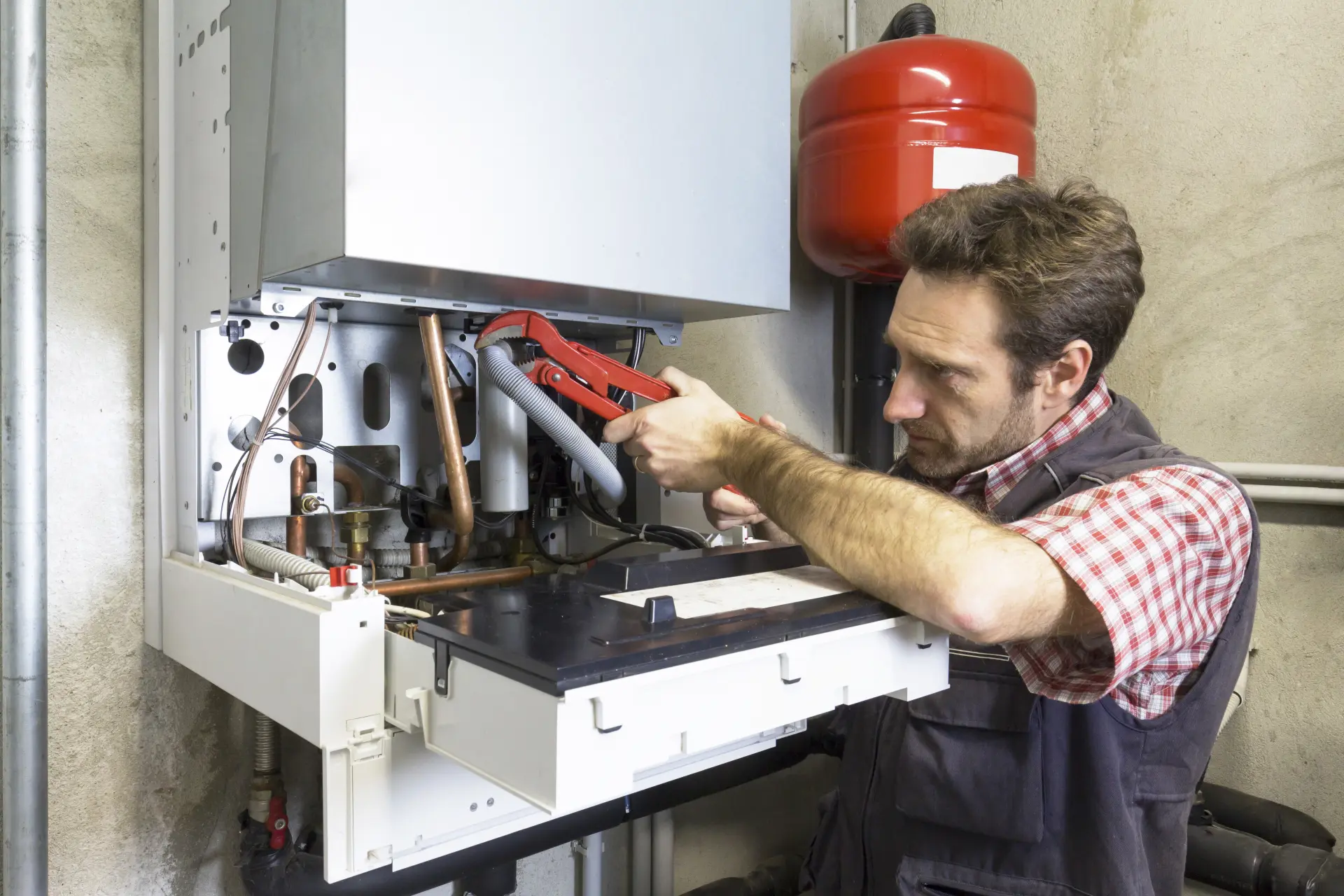
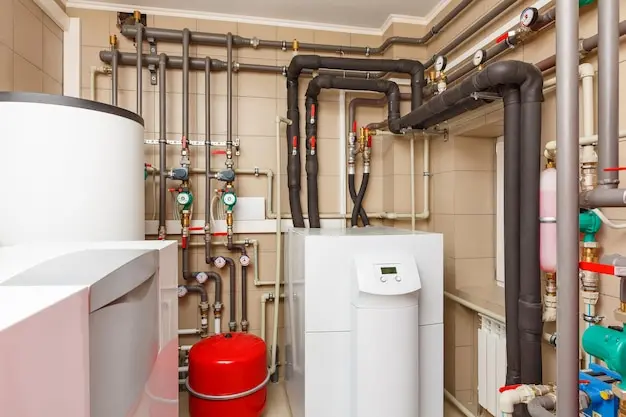
Available space should also be considered. Some boilers are compact enough to fit inside a kitchen cupboard, while other systems need room for a separate hot water cylinder. The position of pipework and the route available for the boiler's flue can limit where an appliance can be installed.
A professional heating survey is useful before selecting a model. Rather than choosing only by price or brand, discuss the property's heating demand, hot water use, controls and possible future changes. A well-matched boiler should provide comfortable heating and enough hot water while working efficiently within the design of the home.
Combi, System and Regular Boilers Explained
A combi boiler provides heating and heats hot water directly when it is needed. It normally does not require a separate hot water cylinder, which can make it suitable for homes where space is limited. Its ability to supply several hot water outlets at once depends on the boiler and the available water flow.
A system boiler works with a separate hot water cylinder. This arrangement stores heated water so that it can be used when required. It can be useful in homes with greater hot water demand, particularly where more than one bathroom may be used at the same time.
A regular boiler is usually connected to a more traditional heating arrangement that includes a hot water cylinder and additional water storage. It can be suitable for certain existing systems, especially where replacing an older regular boiler without making major changes to the rest of the installation.
No boiler type is automatically better for every home. A smaller property with one bathroom may have very different needs from a larger household with several showers. Water pressure, available space and the existing heating system also matter. A heating professional can assess these factors and explain which arrangement is most suitable rather than selecting a boiler type based only on general descriptions.
How the Size of Your Home Can Affect Your Boiler Choice
The size of a property affects the amount of heat the heating system needs to provide. A larger home will usually have more radiators and a greater area to warm, while a smaller home may require less heat. This makes correct boiler sizing an important part of planning an installation.
However, the number of bedrooms alone does not provide enough information. Insulation, window quality, ceiling height, property age and construction can all affect heat loss. Two homes of a similar size may therefore need different amounts of heat to maintain a comfortable indoor temperature.
Choosing a boiler that is much larger than necessary does not automatically improve comfort. A properly assessed system should be matched to the actual heating demand of the property. The heating professional may examine the number and size of radiators and consider how effectively the building retains heat.
Future changes are worth mentioning during the survey. If you are planning an extension, adding radiators or creating another bathroom, these changes could affect the boiler specification. Giving the installer a clear picture of both the current property and planned improvements can help ensure the new system remains suitable rather than requiring another major change soon afterwards.
How Your Hot Water Needs Can Influence Your Decision
Hot water demand is one of the most important factors when choosing a boiler. A household where one shower is normally used at a time may have very different requirements from a family where several bathrooms, taps or showers can be used together.
Combi boilers heat water as it is required, so their hot water performance depends partly on the amount of water they can heat at a given time. In a property with several people trying to use hot water at once, this may need careful consideration before choosing a particular model.
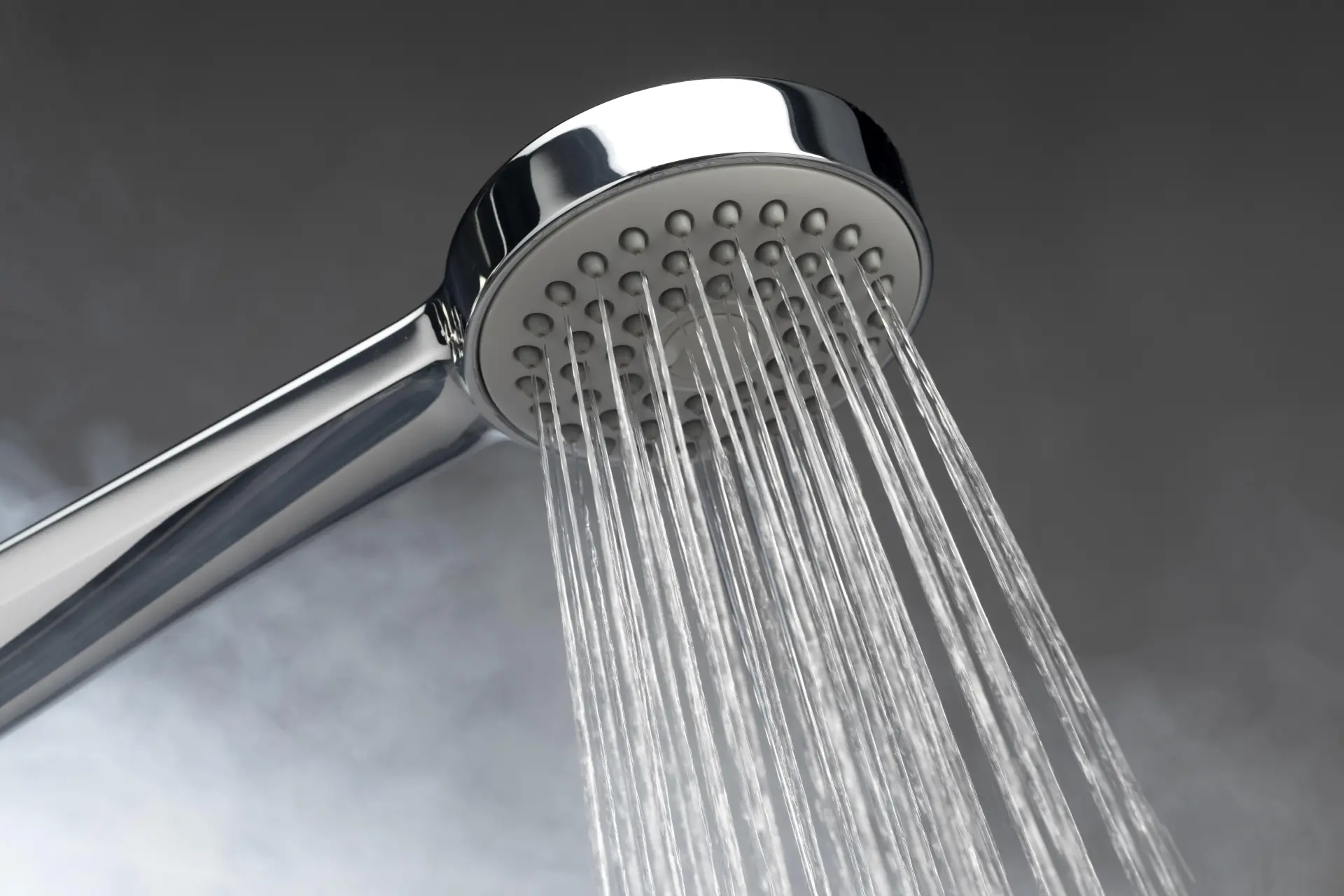
Systems with a hot water cylinder store heated water for later use. This can help meet periods of greater demand, although the cylinder takes up space and needs to be sized appropriately. The household's normal routine can therefore be just as relevant as the number of rooms.
Discuss how you actually use hot water rather than simply stating how many people live in the property. Mention whether showers are often used at the same time, whether you regularly fill a bath and whether you expect your household needs to change. This information can help the installer recommend a system that provides enough hot water without installing equipment that is unnecessarily large.
Understanding Boiler Energy Efficiency
Boiler efficiency describes how effectively the appliance turns the energy it uses into useful heat. Modern boilers are designed to recover more useful heat than many older models, which can reduce wasted energy when the system is installed and controlled correctly.
Efficiency is not determined by the boiler alone. Heating controls, radiator performance, insulation and household habits all affect how much energy is used. A highly efficient boiler cannot prevent heat from escaping through poorly insulated parts of a building, so wider improvements may also be worth considering.
Correct sizing and setup are important too. A boiler that is matched to the property and configured properly can operate more effectively than one selected without considering the home's actual heating needs. Modern controls may also allow heating times and temperatures to be managed more accurately.
When comparing boilers, look beyond a single efficiency figure. Ask how the proposed model will work with your existing heating system and whether changes to controls or other components are recommended. A new boiler can improve efficiency, but the greatest benefit usually comes when the entire heating system is considered rather than treating the appliance as an isolated part.
Where Can a New Boiler Be Installed?
A new boiler does not always need to remain in exactly the same position as the old one, but moving it can add work and cost. The installer needs to consider pipework, drainage, ventilation requirements and the route of the flue before deciding whether a location is suitable.
Common positions include kitchens, utility rooms and purpose-built cupboards. The boiler must have enough suitable access for servicing and future repairs. Placing it in a very tight area may create difficulties later, even if the appliance can physically fit into the available space.
The flue is particularly important because it carries products of combustion safely outside. Its position must comply with the relevant installation requirements, including rules about nearby windows, doors and other features. Condensing boilers also produce water that normally needs a suitable drainage route.
If you want to move the boiler, mention this during the first survey rather than on installation day. The installer can assess the proposed location and explain whether additional pipework or building work would be needed. Keeping the boiler close to existing connections may reduce disruption, but a different location can sometimes create useful space or improve access if the extra work is worthwhile.
Where Can a New Boiler Be Installed?
A new boiler does not always need to remain in exactly the same position as the old one, but moving it can add work and cost. The installer needs to consider pipework, drainage, ventilation requirements and the route of the flue before deciding whether a location is suitable.
Common positions include kitchens, utility rooms and purpose-built cupboards. The boiler must have enough suitable access for servicing and future repairs. Placing it in a very tight area may create difficulties later, even if the appliance can physically fit into the available space.
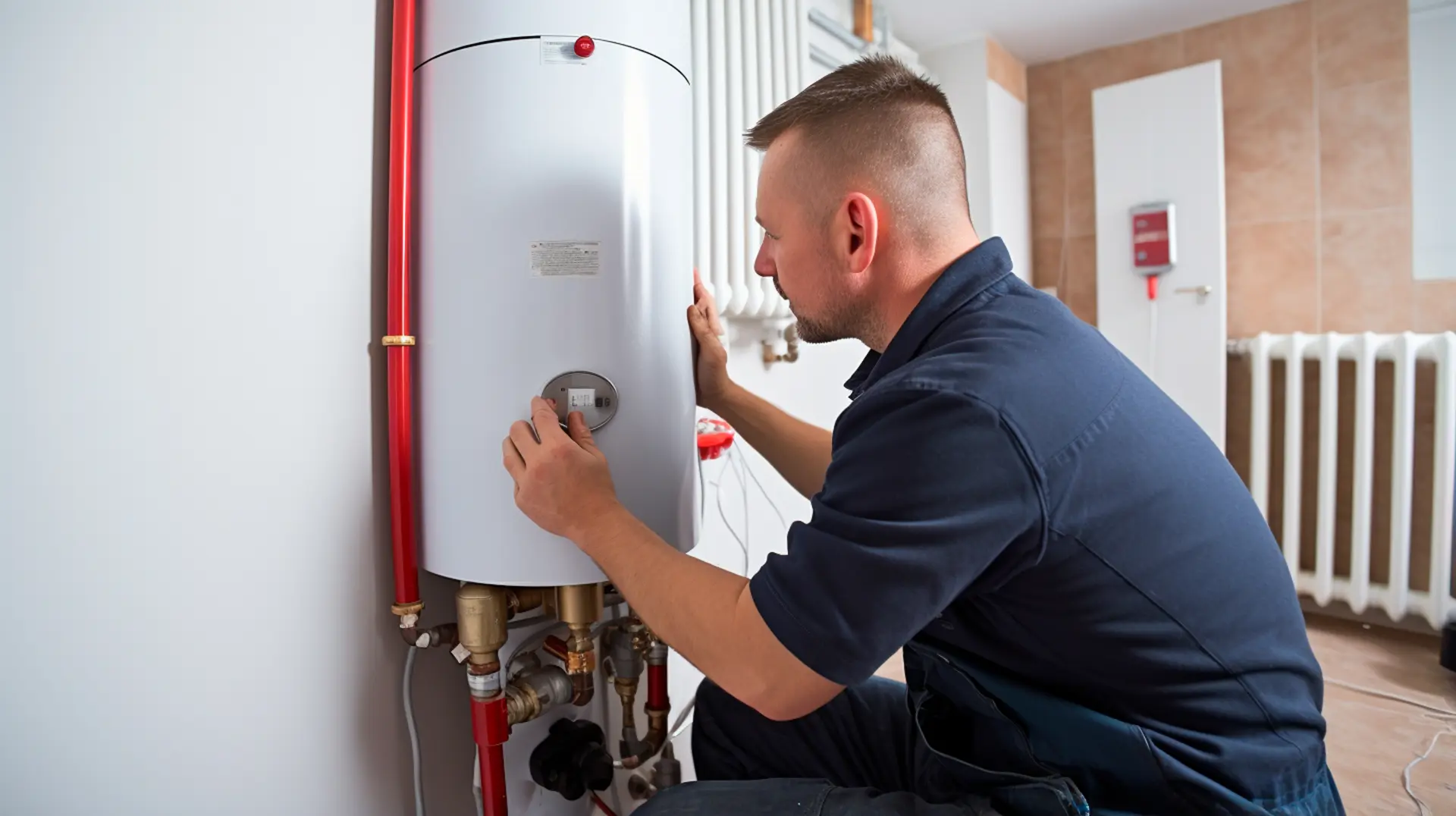
The flue is particularly important because it carries products of combustion safely outside. Its position must comply with the relevant installation requirements, including rules about nearby windows, doors and other features. Condensing boilers also produce water that normally needs a suitable drainage route.
If you want to move the boiler, mention this during the first survey rather than on installation day. The installer can assess the proposed location and explain whether additional pipework or building work would be needed. Keeping the boiler close to existing connections may reduce disruption, but a different location can sometimes create useful space or improve access if the extra work is worthwhile.
What Happens During a Boiler Installation?
The installation normally begins with the existing boiler and heating system being prepared for the work. If an old boiler is being replaced, it will be disconnected and removed safely. Water may need to be drained from parts of the heating system before new connections can be made.
The new boiler is then positioned and connected to the required pipework, controls, flue and drainage. The exact process depends on whether it is a direct replacement or the heating system is being changed. Moving a boiler or changing boiler type usually involves more work than replacing a similar appliance in the same location.
The heating system may also be cleaned or treated as part of the work. This helps protect the new boiler from debris or contamination already present in older pipework and radiators. Any new controls or other components included in the installation will also need to be fitted.
Once everything is connected, the installer carries out checks before the boiler is put into normal use. You should then receive an explanation of the controls and basic operation. This is a good time to ask how to adjust heating settings, check pressure and respond to common messages shown by the boiler.
How Long Does a Boiler Installation Take?
Installation time depends on how much of the heating system is changing. A straightforward replacement in which a similar boiler is installed in the same position may be completed relatively quickly because much of the existing pipework and system arrangement can remain.
The work usually takes longer when the boiler is moved. New pipe runs, alterations to the flue and changes to drainage can all add to the installation. The amount of disruption also depends on how easily the installer can reach the required areas of the property.
Changing the type of heating system can involve more work again. Removing or installing a hot water cylinder, altering water storage or changing controls can make the project more involved. Older heating systems may also need extra work before the new boiler can be connected safely and effectively.
The best estimate comes from a survey of the property rather than a general time quoted before anyone has seen the system. Ask the installer what work is included and whether heating or hot water will be unavailable overnight. Understanding the expected sequence in advance makes it easier to plan around the installation and prepare for any temporary disruption.
Preparing Your Home Before Installation Day
A small amount of preparation can make installation day easier. Start by clearing the area around the boiler so the installer can reach it safely. Remove items from nearby cupboards, work surfaces or shelving where necessary and provide a clear route through the property.
If work will take place near radiators, a hot water cylinder or other heating equipment, those areas may also need to be accessible. Ask beforehand which parts of the home the installer expects to use so you do not have to move belongings after work has already started.
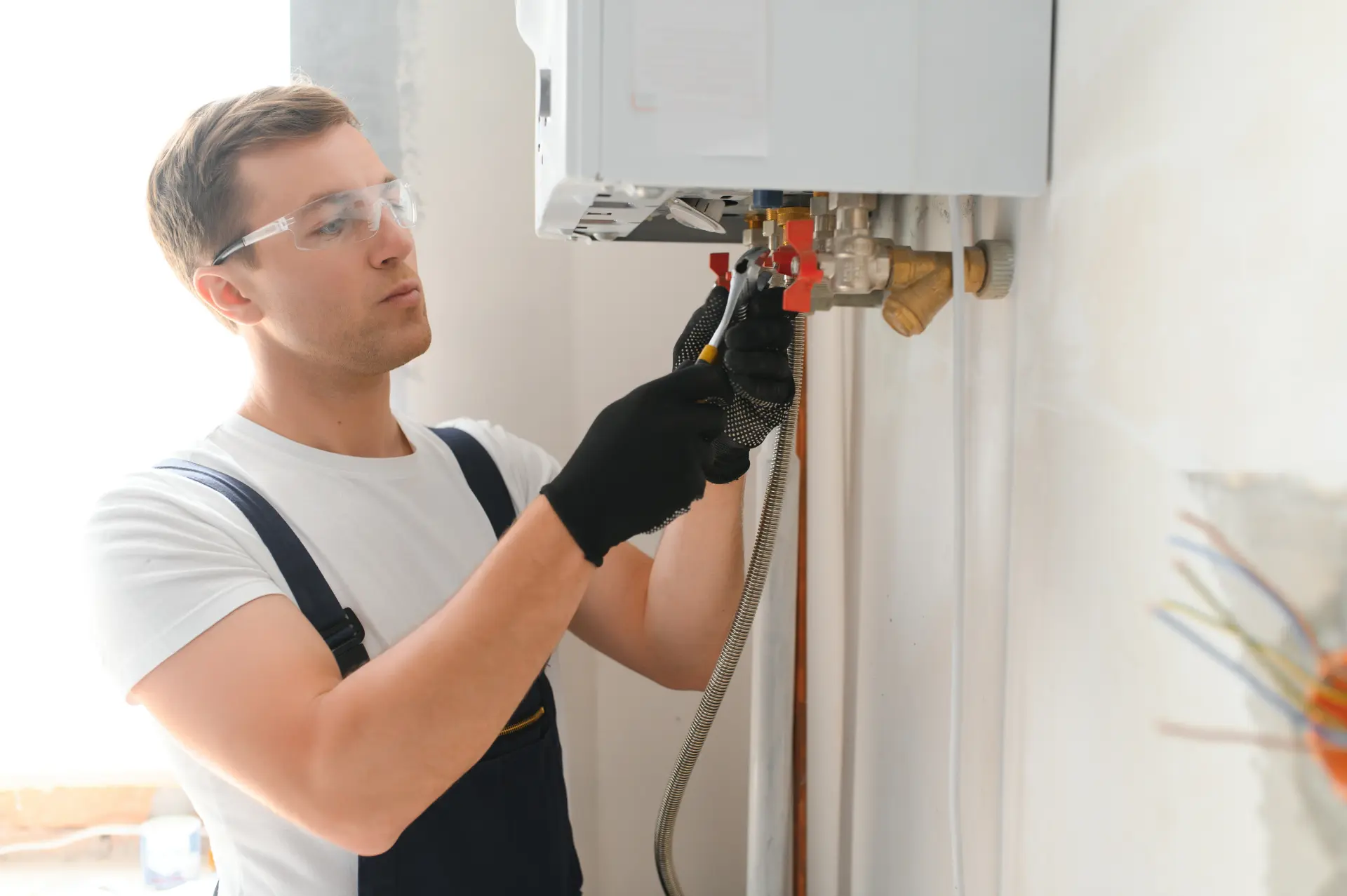
It is also sensible to protect important or delicate belongings from dust and movement. Boiler installations do not always involve major building work, but tools, equipment and old components will need to be carried through the property. Keeping hallways and stairs clear can reduce the risk of accidental damage.
Before installation day, confirm important practical details with the installer. Make sure you know when access is required, whether water or electricity will be temporarily interrupted and whether any other trades are needed. If parking or building access is difficult, explain this in advance. Good preparation allows more of the visit to be spent on the installation itself.
What Happens to Your Old Boiler?
When an existing boiler is replaced, it needs to be disconnected and removed safely. The installer will normally isolate the appliance from its connections before taking it away from the heating system. Water may need to be drained first so the old boiler can be removed without causing unnecessary leaks.
Many installation services include removal of the old boiler, but this should be confirmed when obtaining a quotation. Do not assume disposal is automatically included. Ask whether the boiler, packaging and any other removed heating components will be taken away as part of the agreed price.
If the installation involves changes to the wider heating system, other equipment may also become unnecessary. An old hot water cylinder or water storage component may need removing if the property is being converted to a different type of boiler system. This can create additional waste and labour.
Before work starts, ask what will happen to each item that is being removed. A clear quotation should help prevent confusion about disposal and extra charges. Once old equipment has been taken out, check whether any gaps, unused pipework or surrounding surfaces will require separate repair or decoration after the heating work is finished.
Checks Carried Out After a New Boiler Is Installed
After installation, the boiler and heating system need to be checked before they are handed over for normal use. The installer will confirm that the appliance is operating correctly and that the connections made during the installation are secure.
The heating and hot water functions should also be tested. This may include checking that radiators warm correctly, controls respond as expected and hot water is being delivered properly. Any new thermostat or heating controls should be set up and demonstrated.
The installer will also carry out the checks required for safe boiler operation. The exact process depends on the appliance and installation, but it should confirm that the boiler has been installed according to the relevant requirements and the manufacturer's instructions.
You should receive information about operating the boiler once these checks are complete. Ask where to find important settings, how to check the pressure and what to do if an error message appears. Keep installation records and any warranty information in a safe place. Understanding the system from the beginning can make future servicing and maintenance much easier.
Questions to Ask Before Booking an Installation
Before agreeing to an installation, ask exactly what the quotation includes. A low initial figure may not be useful if important work is excluded. Check whether removal of the old boiler, new controls, system cleaning, disposal and other necessary work are included in the price.
Ask why the proposed boiler has been recommended. The installer should be able to explain how its output and type suit the property, heating demand and hot water needs. If several options are available, ask what the practical differences are rather than comparing models only by price.

It is also useful to discuss the installation itself. Ask where the boiler will be placed, whether existing pipework needs altering and how long heating or hot water is likely to be unavailable. Find out whether decorating or other work may be needed afterwards.
Finally, ask about warranties, servicing and the paperwork provided after installation. Make sure you know who is responsible for registering the appliance where required and what you need to do to maintain warranty conditions. Asking these questions before booking makes it easier to compare quotations fairly and reduces the chance of unexpected costs or misunderstandings later.
Looking After Your New Boiler After Installation
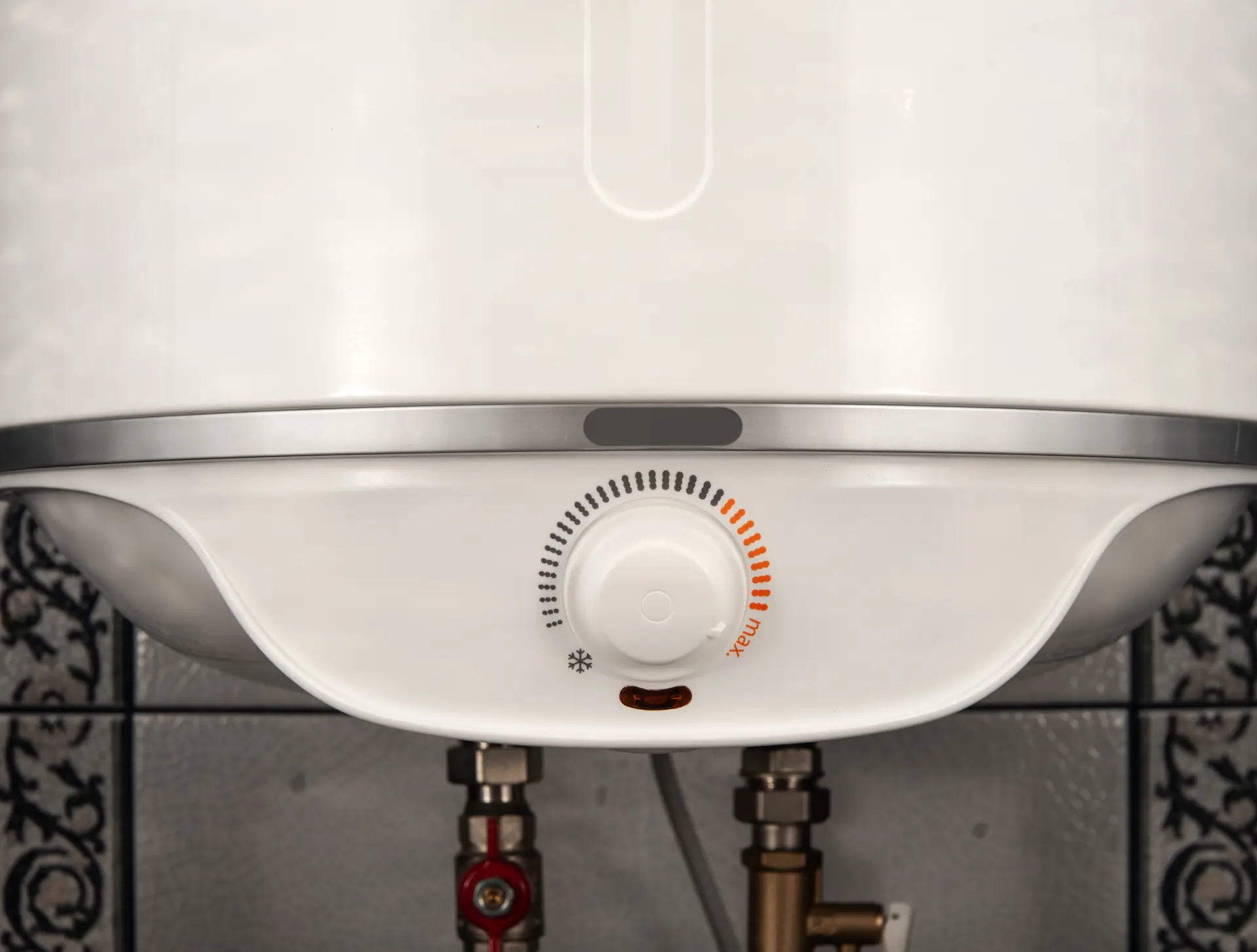
Looking after a new boiler starts with understanding how it should normally operate. Keep the manufacturer's instructions accessible and become familiar with the controls, pressure display and common information shown on the boiler. This makes unusual changes easier to identify.
Arrange servicing according to the manufacturer's recommendations and any warranty conditions. Regular checks give a qualified professional the opportunity to assess the boiler's condition and identify developing problems. Keep records of services and repairs so there is a clear maintenance history.
Pay attention to the whole heating system as well. Report leaks, persistent pressure loss, unusual noises or radiators that repeatedly fail to heat correctly. Problems elsewhere in the system can affect boiler performance, so early attention can help protect the new appliance.
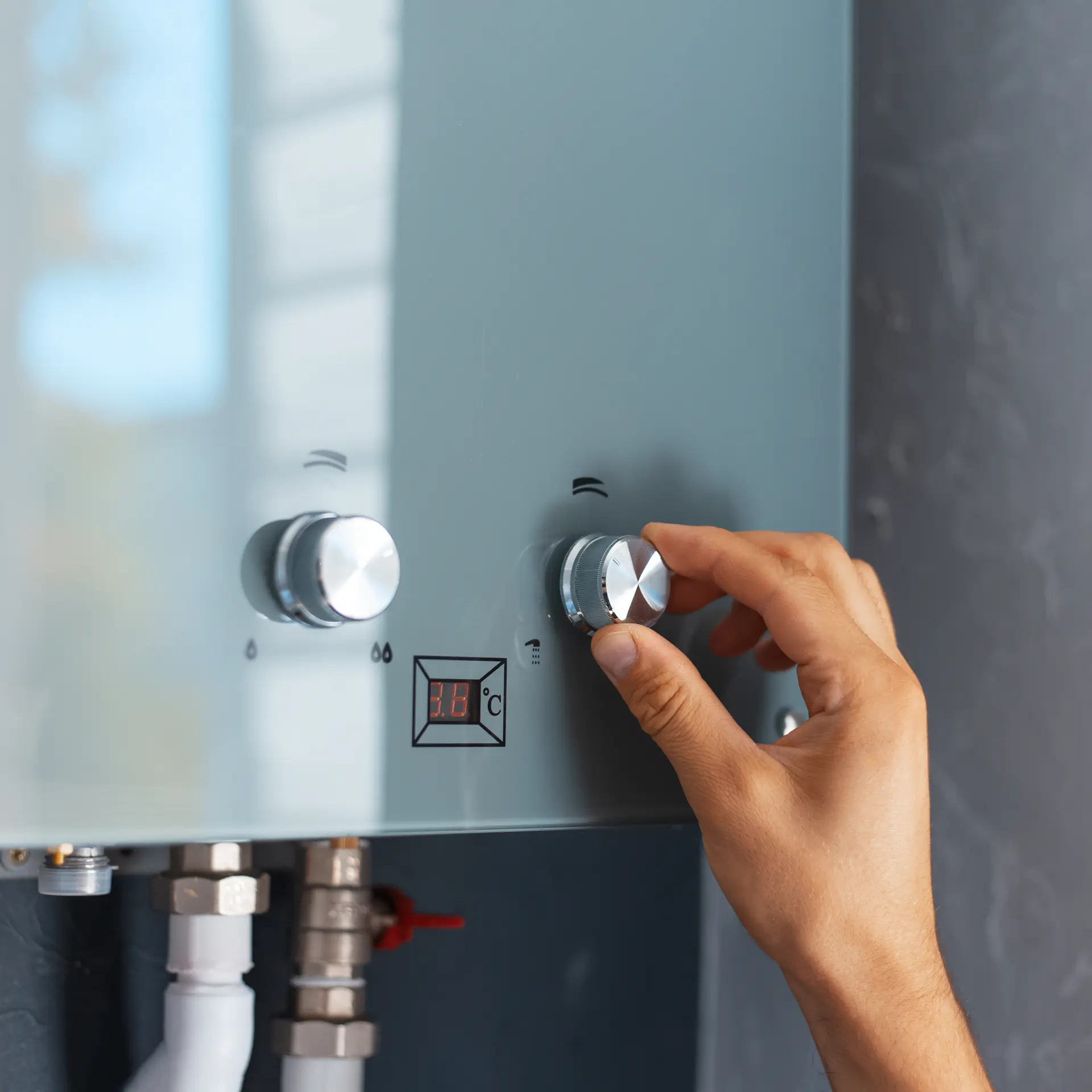
Use the heating controls in a way that suits your household rather than constantly changing boiler settings. If you are unsure about temperature, pressure or another setting, refer to the instructions or seek professional advice. A properly installed boiler still needs sensible use and routine care if it is to provide dependable heating and hot water over the years ahead.
Need fast and reliable boiler repairs, boiler installations, or emergency plumbing in Watford, Kings Langley or St Albans? A.C.O Heating And Plumbing Ltd provides expert diagnostics, repairs, and servicing to keep your heating system running safely and efficiently.