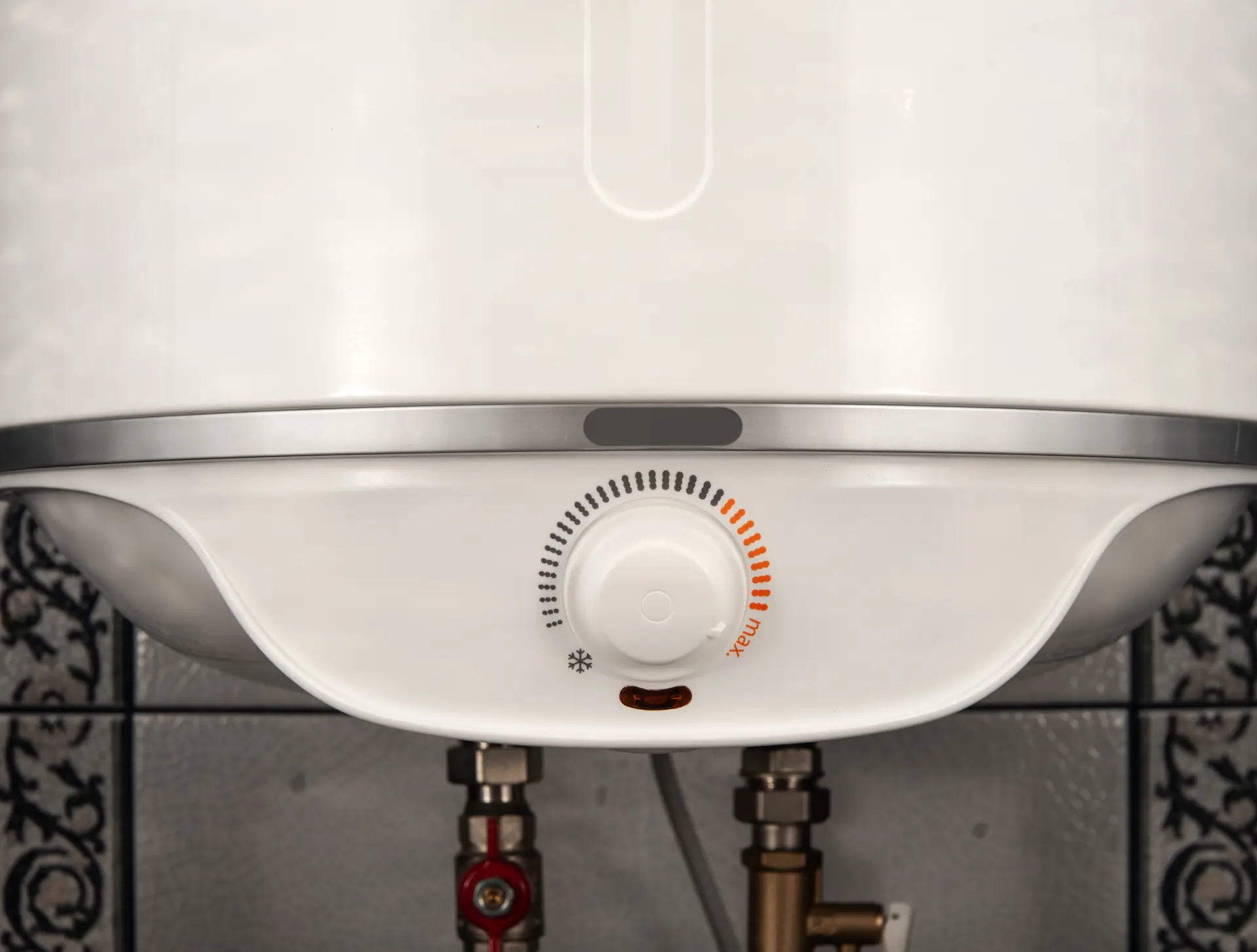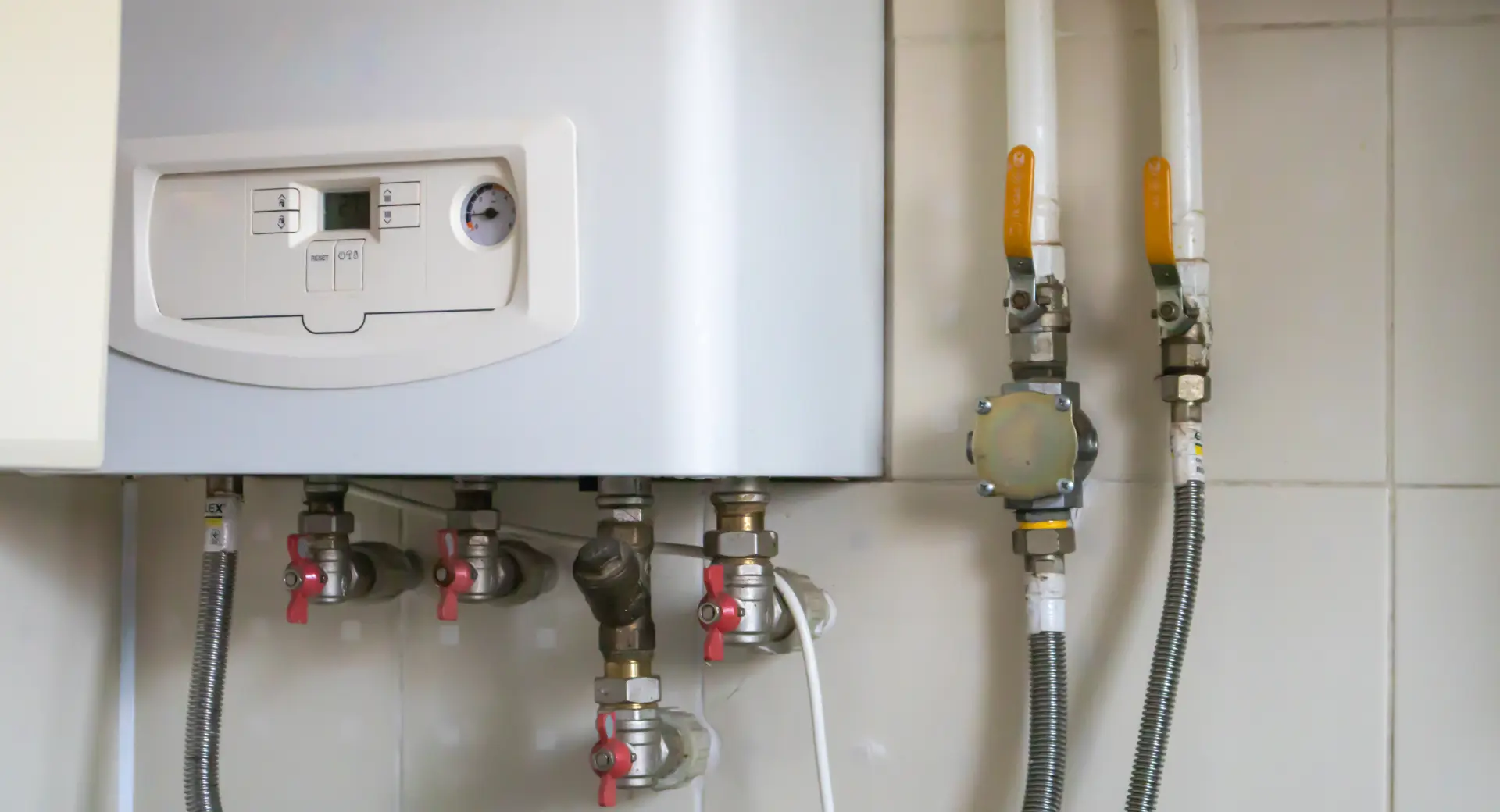

Confused about Combi System or Regular boiler? Asking which is best? Discover how each boiler type suits different household needs and improves efficiency. Find the ideal boiler for your home.
Why Choosing the Right Boiler Matters
Choosing the right boiler is an important decision for any home. Your boiler provides heating and hot water, so it plays a key role in comfort and daily life. Picking the wrong type can lead to poor performance, higher energy bills, or ongoing issues with hot water supply.
Different homes have different needs. Factors such as the size of the property, the number of bathrooms, and how much hot water is used each day all affect which boiler will work best. A system that suits a small flat may not be suitable for a larger family home.
The right boiler can improve efficiency and help reduce running costs over time. It can also provide more reliable heating and a steady supply of hot water when you need it most.
Taking the time to understand your options helps you make a more informed choice. This ensures your heating system works well for your home both now and in the future.
What Is a Combi Boiler?
A combi boiler, short for combination boiler, is a popular choice for many homes. It provides both heating and hot water directly from a single unit, without the need for a separate tank or cylinder. This makes it a compact option that is well suited to properties where space is limited.
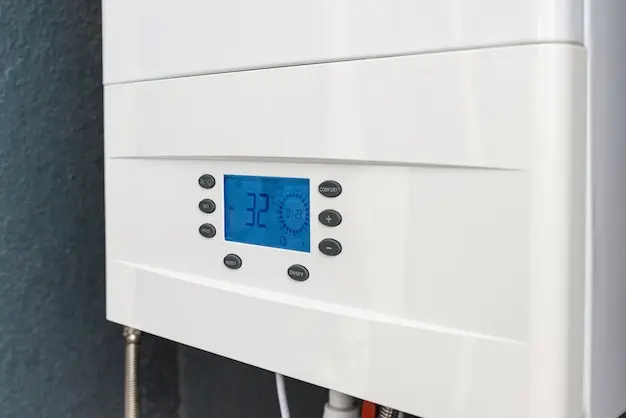
One of the main benefits of a combi boiler is that it heats water on demand. This means you get hot water as soon as you turn on a tap, without waiting for a tank to fill or heat up. It can be very convenient for daily use, especially in smaller households.
Because there is no need for additional storage tanks, installation is often simpler. This can reduce both the time and cost involved. Combi boilers are also known for being energy efficient, as they only heat water when required.
However, they do have limits. If more than one tap or shower is used at the same time, water pressure may drop. This makes them less suitable for larger homes with higher demand.
What Is a System Boiler?
A system boiler works by providing heating and hot water through a separate hot water cylinder. Unlike a combi boiler, it stores hot water so it can be used when needed. This allows it to supply multiple taps at the same time. The system includes key components built into the boiler itself, such as the pump and expansion vessel. This makes it simpler than a regular boiler, which requires more external parts. It also helps make installation more straightforward.
System boilers are a good choice for homes with more than one bathroom. They provide a steady supply of hot water, which is useful when several people need to use it at once.
However, the cylinder takes up space, and once the stored hot water runs out, it must be reheated. Even so, they offer a reliable and balanced option for many households.
What Is a Regular Boiler?
A regular boiler, also known as a traditional or heat only boiler, uses both a hot water cylinder and a cold water storage tank. This setup has been used for many years and is often found in older homes. It is designed to handle high levels of hot water demand across larger properties.
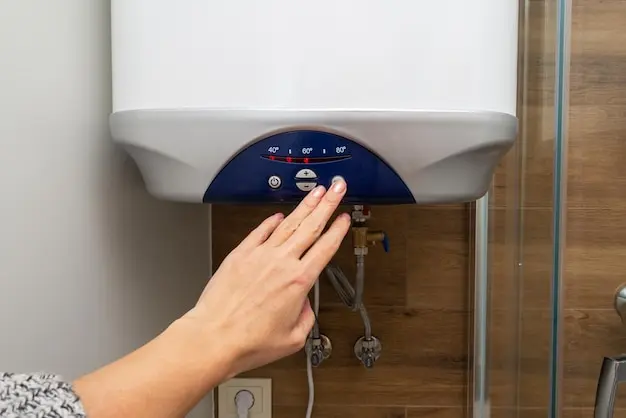
Because hot water is stored, multiple taps and showers can be used at the same time without a major drop in pressure. This makes it suitable for busy households. It can also work well in areas where water pressure from the mains is lower, as the system relies on stored water.
However, regular boilers require more space due to the additional tanks and components. They are often installed in lofts or airing cupboards, which may not suit all properties. Installation can also be more complex compared to other systems.
Despite this, they remain a practical option for homes that already have this setup in place and need a reliable supply of hot water.
The Main Differences Between Boiler Types
The main differences between combi, system, and regular boilers relate to how they provide hot water and how much space they need. Each type is designed for different household needs.
Combi boilers provide hot water instantly without storage. This makes them compact and efficient, but less suitable for high demand. System boilers store water in a cylinder, allowing several outlets to be used at once. Regular boilers also store water but require additional tanks.
Space is another key factor. Combi boilers take up the least room, while regular boilers need the most. System boilers sit between the two.
Understanding these differences helps you choose a system that suits your home. It ensures you get the right balance between performance, space, and efficiency.
Which Boiler Is Best for Small Homes?
For small homes, a combi boiler is usually the most suitable option. Its compact design means it can fit into small spaces, making it ideal for flats or houses where room is limited. There is no need for a separate cylinder or tank, which helps save space and simplifies installation.
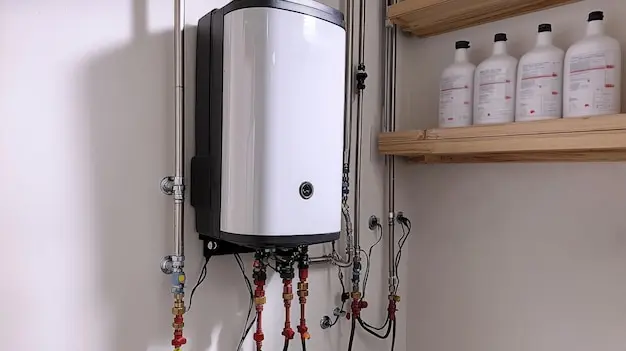
Combi boilers provide hot water on demand, which works well for smaller households. In most cases, only one tap or shower is used at a time, so the system can easily keep up. This makes it both practical and efficient for everyday use.
Another benefit is energy efficiency. Since water is only heated when needed, there is less wasted energy. This can help reduce running costs over time.
Installation is often quicker compared to other systems, especially when replacing an existing combi boiler. This can also help keep costs lower.
Overall, combi boilers offer a simple and effective solution for smaller homes with lower hot water demand.
Which Boiler Suits Larger Homes?
Larger homes often require a boiler that can handle higher demand for both heating and hot water. In these cases, a system or regular boiler is usually more suitable than a combi boiler. This is especially true if the property has multiple bathrooms or several occupants.
A system boiler is often a good choice for modern larger homes. It stores hot water in a cylinder, allowing multiple taps or showers to run at the same time without a drop in pressure. This makes it practical for busy households.
A regular boiler may be more suitable for older properties that already have a traditional setup in place. It can also perform well in homes where water pressure from the mains is lower. The use of storage tanks helps maintain a steady supply.
While both systems require more space, they provide better performance for larger households. Choosing the right option ensures everyone can use heating and hot water comfortably without interruptions.
Hot Water Demand and Household Size
Hot water demand is one of the most important factors when choosing between combi, system, and regular boilers. The number of people in the home, the number of bathrooms, and daily routines all affect how much hot water is needed. A smaller household with one bathroom will usually have lower demand than a larger family home where several people may need showers, baths, or hot water from taps at the same time.
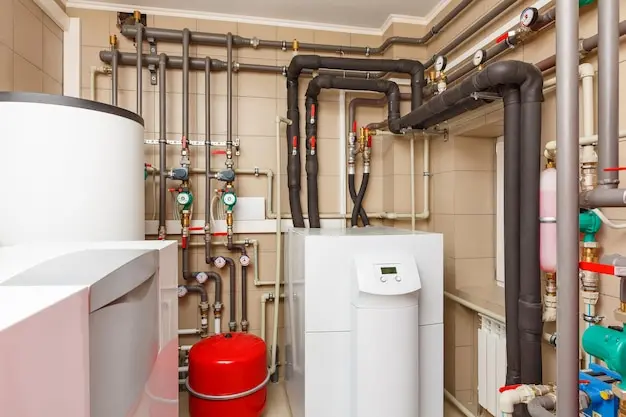
A combi boiler is often suitable for lower demand because it heats water as it is needed. This works well in homes where only one outlet is usually used at once. However, in larger households, a combi boiler may struggle if multiple showers or taps are running together, which can reduce pressure and performance.
System and regular boilers are better suited to higher demand because they store hot water for use across the home. This makes them more practical for busy homes with more than one bathroom. Matching the boiler to household size and routine is essential. Choosing the right system helps ensure a reliable supply of hot water, better comfort, and fewer problems during the busiest parts of the day.
Energy Efficiency and Running Costs
Energy efficiency plays an important role in choosing a boiler. A more efficient system uses less energy, which can help reduce running costs over time.
Combi boilers are often efficient because they heat water only when needed. System and regular boilers can also perform well with modern designs.
Running costs depend on usage and demand. Larger homes may benefit from systems that store water.
Choosing the right balance helps keep your home warm while managing energy use effectively.
Space Requirements for Each Boiler Type
Space is an important factor when choosing between combi, system, and regular boilers. Each type has different requirements, which can affect what is suitable for your home.
Combi boilers are the most compact option. They do not need a hot water cylinder or storage tank, so they can often be installed in small spaces such as cupboards or utility areas. This makes them ideal for homes with limited room.
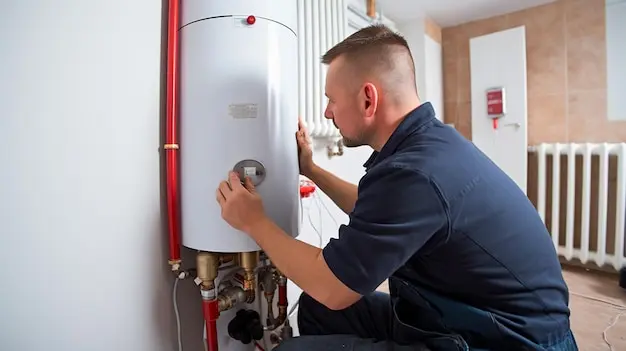
System boilers require a hot water cylinder, which means extra space is needed. However, they do not need a separate cold water tank, making them more compact than regular systems. The cylinder is often placed in an airing cupboard.
Regular boilers require the most space. They need both a hot water cylinder and a cold water storage tank, which are usually installed in different parts of the home, such as lofts and cupboards.
Understanding how much space is available helps narrow down your options. Choosing a system that fits comfortably within your home ensures a smoother installation and better long term use.
Installation Costs to Consider
Installation costs vary depending on the boiler type and the work involved. Combi boilers are often less expensive to install, especially when replacing a similar system, as they require fewer components and less pipework. System and regular boilers can cost more due to the need for additional parts such as cylinders and tanks.
Installation may also take longer, which can increase labour costs.
Switching between boiler types can add further expense. For example, moving from a regular boiler to a combi may involve removing tanks and making changes to pipework and layout.
It is important to consider long term value as well as upfront cost. A more expensive system may offer better performance for your needs.
Understanding installation costs helps you plan your budget and choose a system that fits both your home and your finances.
How to Choose the Best Boiler for Your Home
Choosing the best boiler for your home involves considering several key factors, including property size, household demand, and available space. Each of these points will help guide your decision.
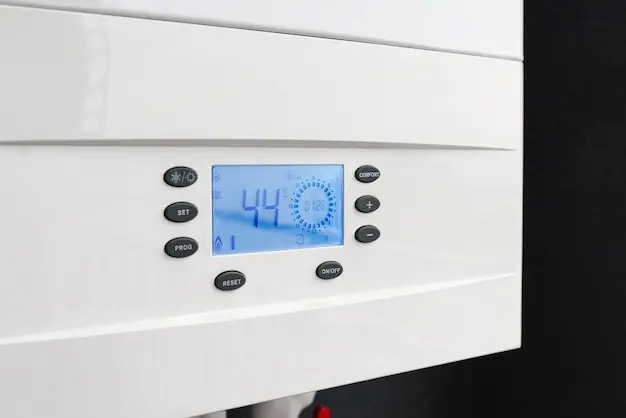
You should think about how much hot water is used each day and whether multiple outlets are needed at once. This helps determine whether a combi, system, or regular boiler is more suitable.
Budget is also important. This includes both installation costs and ongoing energy use. Balancing these helps ensure good value over time.
It is often helpful to speak with a qualified engineer. They can assess your home and recommend the most suitable option.
Taking a careful and informed approach helps ensure your boiler meets your needs and provides reliable heating and hot water for years to come.
Our trusted team provides professional boiler installation across Watford, Kings Langley, and St Albans. We ensure every new boiler is fitted to the highest standards, giving you reliable heating and hot water tailored to your household’s exact needs and budget.