Understanding what happens during a new boiler installation helps you prepare. Trust our experienced team to handle your upgrade with care and precision.
Before the Installation Starts
Before the installation begins, there is usually a planning stage to make sure everything runs smoothly. This includes confirming the type of boiler being installed, the location, and the work required. A qualified engineer will often carry out an initial visit to assess the property and discuss your needs.
During this stage, you may be given advice on the most suitable boiler for your home, based on size, usage, and energy efficiency. The installation date will also be agreed, along with how long the work is expected to take.
It is important to prepare the area where the boiler will be installed. Clearing space and making sure there is easy access helps the process move more quickly. You may also be advised about any temporary loss of heating or hot water during the work.
Good preparation helps avoid delays and ensures the installation can begin without problems. It also gives you a clear understanding of what to expect, helping you feel more confident before the work starts.
Checking Your Current Heating System
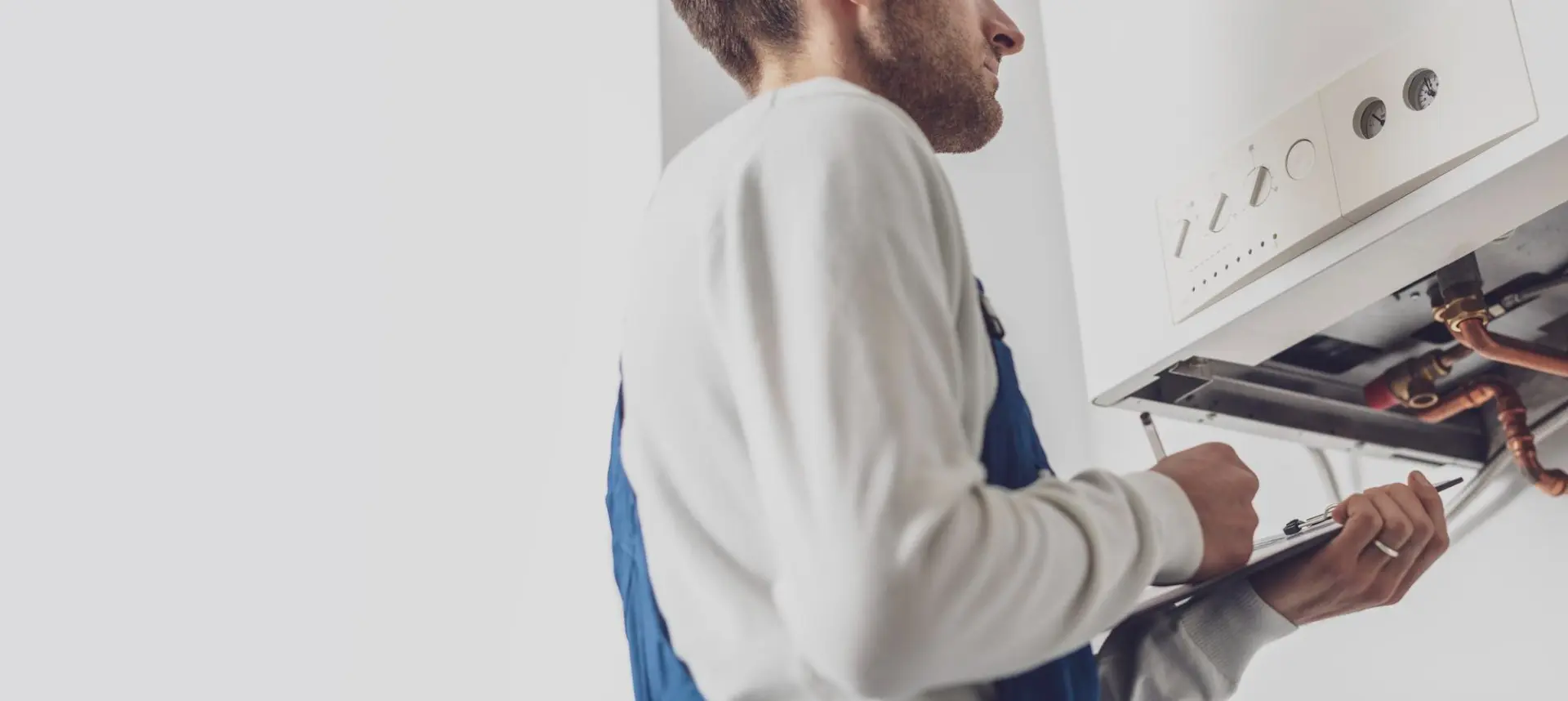
Before installing the new boiler, the engineer will check your current heating system. This step is important to understand how everything is set up and to identify any issues that need to be addressed.
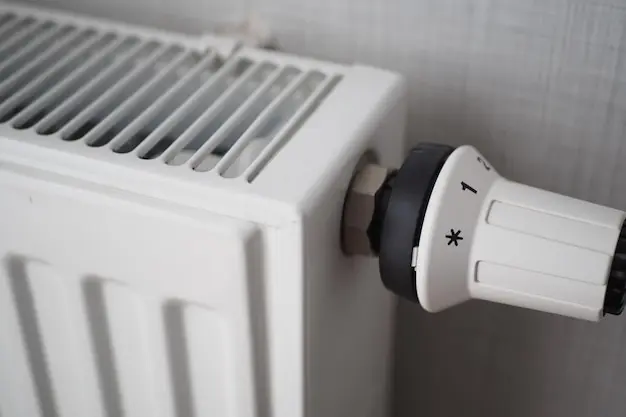
The inspection usually includes looking at radiators, pipework, and controls. The engineer will check for signs of wear, leaks, or poor performance. They may also assess water pressure and flow to ensure the system can support the new boiler.
If any problems are found, these may need to be fixed before or during the installation. For example, old or damaged pipes might need replacing, or the system may require cleaning to remove build-up that could affect performance.
This stage helps ensure the new boiler will work efficiently once installed. By checking everything carefully, the engineer can prevent future issues and make sure the system is ready for the upgrade.
Removing the Existing Boiler
Removing the existing boiler is one of the first physical steps in the installation process. Before this begins, the engineer will safely turn off the gas, water, and electricity connected to the system. This ensures the removal can be carried out without risk.
The old boiler is then disconnected from the pipework and carefully taken out. Depending on its size and location, this may take some time. Care is taken to avoid damage to surrounding areas, such as walls or flooring.
In some cases, parts of the old system, such as brackets or fittings, may also be removed if they are no longer suitable for the new boiler. Any waste materials are usually taken away or prepared for proper disposal.
Removing the old boiler creates a clear space for the new one. This step is important for ensuring the installation can continue safely and without obstruction.
Fitting the New Boiler
Once the old boiler has been removed, the new one can be fitted. The engineer will position the boiler in the agreed location, making sure it is secure and properly supported. This may involve mounting it on a wall or placing it in a suitable space.
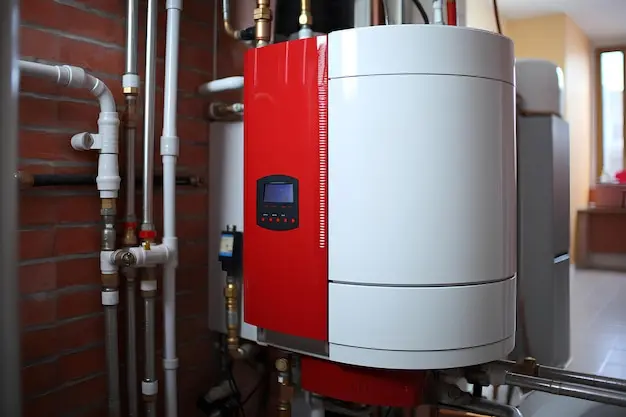
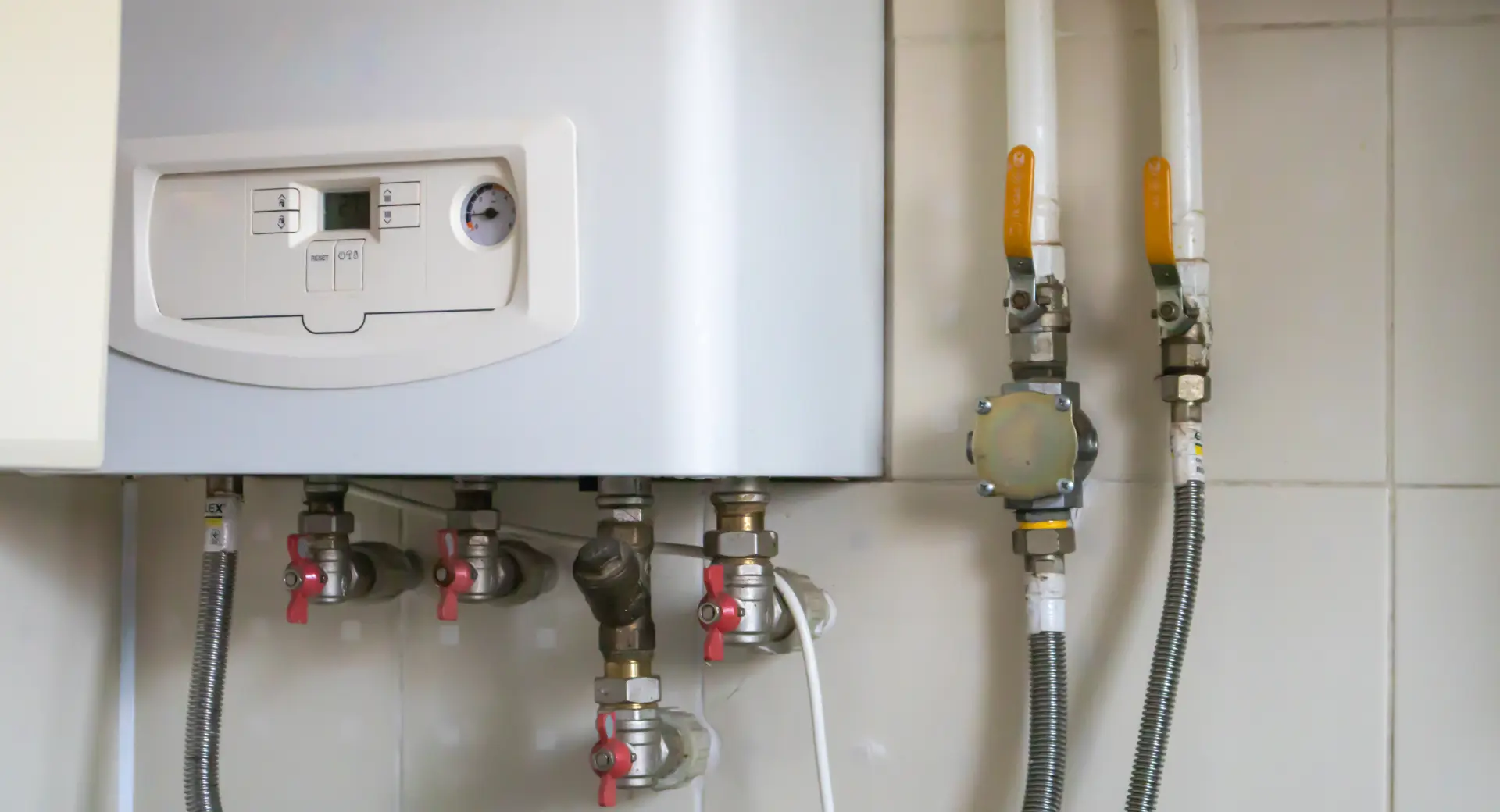
The boiler is then connected to the water, gas, and electrical systems. Each connection must be carried out carefully to ensure safety and proper operation. The engineer will follow all relevant standards and guidelines during this stage.
If the installation involves a different type of boiler, such as switching from a regular system to a combi boiler, additional adjustments may be needed. This can affect how the system is set up and how it operates.
Fitting the boiler correctly is essential for long term performance. A well installed boiler will run more efficiently and help reduce the risk of future problems.
Making Any Needed Pipe Changes
During the installation, some changes to the pipework may be required. This depends on the condition of the existing system and the type of new boiler being installed. Older pipes may not be suitable, or the layout may need adjusting.
The engineer may need to replace sections of pipe or reroute them to fit the new system properly. This ensures water and gas can flow efficiently and safely. In some cases, additional pipes may be added to improve performance.
Pipe changes are also important for meeting current safety and efficiency standards. Updating old or damaged pipework helps prevent leaks and improves the overall reliability of the system.
Although this stage can add time to the installation, it is important for ensuring everything works as it should. Proper pipework supports the boiler and helps it perform at its best.
Testing Everything Is Working Properly
Once the new boiler and any pipework changes are in place, the system must be tested. This is a key stage to make sure everything is working safely and correctly before the job is completed.
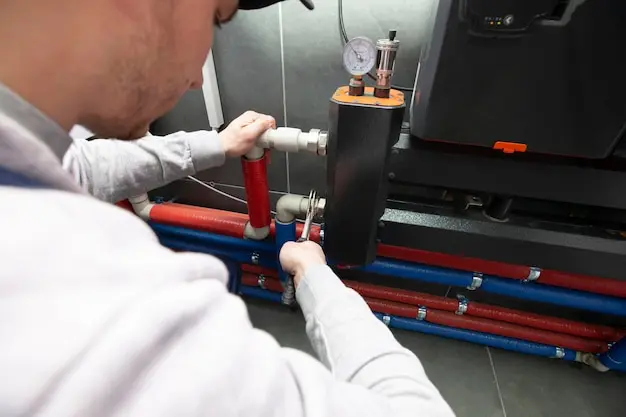
The engineer will turn the system on and check that the boiler is heating water and radiators as expected. They will also test controls, pressure levels, and safety features to ensure everything is operating properly.
Any issues found during testing will be addressed straight away. This may include adjusting settings or checking connections. The aim is to leave the system fully functional and ready for use.
Testing provides reassurance that the installation has been carried out correctly. It ensures the boiler is safe, efficient, and working as it should before being handed over.
Learning How to Use the New System
After installation and testing, you will be shown how to use your new boiler system. This is an important step, as modern boilers often include updated controls and features that may be different from your old system.
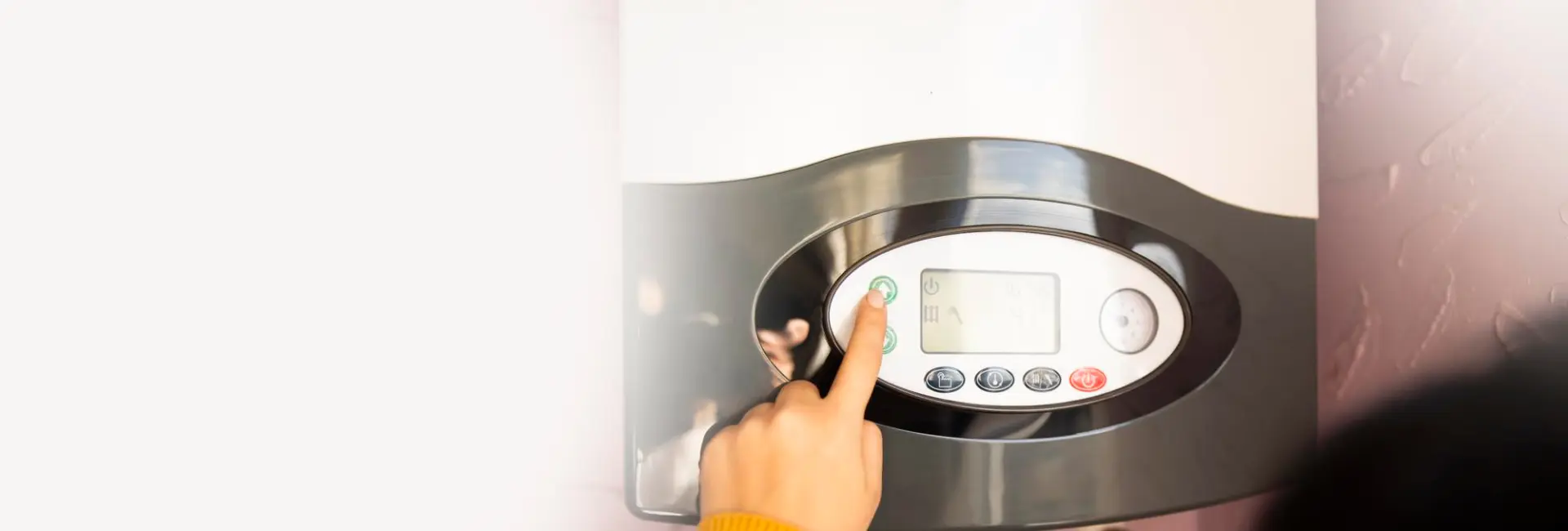
The engineer will explain how to adjust the temperature, set timers, and use any controls or displays. They may also provide guidance on energy efficient settings to help reduce running costs.
You will usually receive instructions or a manual to refer to later. It is helpful to ask questions during this stage to make sure you understand how everything works.
Learning how to use the system properly helps you get the most out of your new boiler. It also reduces the chance of problems caused by incorrect use.
Aftercare and Ongoing Maintenance
After the installation is complete, ongoing care is important to keep your boiler working well. Regular maintenance helps ensure the system remains safe and efficient over time.
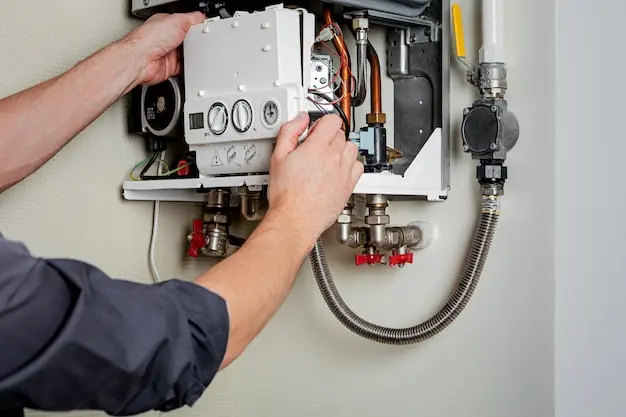
It is recommended to have the boiler serviced once a year by a qualified engineer. This helps identify any issues early and keeps the system in good condition. Servicing may also be required to maintain the warranty.
Simple checks can also be carried out at home, such as monitoring pressure levels and making sure the system is running smoothly. If you notice any unusual noises or changes in performance, it is best to have them checked.
Good aftercare helps extend the life of your boiler and ensures it continues to provide reliable heating and hot water.
Our trusted team provides professional boiler installation across Watford, Kings Langley, and St Albans. We ensure every new boiler is fitted to the highest standards, giving you reliable heating and hot water tailored to your household’s exact needs and budget.