Start with the people and the scope
Before hiring a bathroom installer, establish who will do the work, what the quotation covers and how the finished room will be handed over. A competitive price is useful only when you understand the proposed materials, responsibilities and exclusions. A portfolio photograph cannot tell you how a concealed shower valve was fitted or who will resolve a leak.
For a project in Kings Langley, bring the same outline brief to each installer. Include room dimensions, photographs, the fittings you want to retain and any planned layout changes. This makes the conversation specific and helps reveal whether different quotations describe the same job.
Ask for evidence of comparable work
Ask: “Have you fitted a bathroom with this layout and these products before?” A wet room, a shower-over-bath refit and a room with a concealed cistern have different practical demands. Request recent examples that show the type of work you are commissioning, not simply attractive rooms of a similar colour.
Where possible, speak to a previous customer about communication, protection of the home and how follow-up issues were handled. Ask who actually worked on the project shown. If subcontractors will be involved in yours, establish whether the lead installer has coordinated those trades before.
Get the specification behind the price
Ask: “Can you identify the products, labour and exclusions in writing?” A useful specification distinguishes preparation, plumbing, electrical work, waterproofing, tiling and disposal. It should also identify supplied items such as the shower tray, screen, waste fittings and brassware. “Bathroom supplied and fitted” leaves too much open to interpretation.
Citizens Advice recommends obtaining at least three written quotations before choosing a trader. Its advice also highlights checking insurance and recording the agreement. Compare the same scope, including VAT where applicable, rather than assuming the lowest total includes the work another installer has itemised.
Establish who is responsible for specialist work
Ask: “Who carries out the electrics, and what documentation will I receive?” Bathroom lighting, extraction and electric showers should be considered alongside the plumbing, not added as an afterthought. The installer should explain who will undertake each specialist element and who remains your point of contact.
Electrical Safety First advises using a registered electrician for electrical installation work in bathrooms. Verify the relevant registration directly when one is claimed. Also ask whether your particular work needs notification or building-control involvement. A general bathroom-fitting description is not evidence of electrical competence.
Discuss waterproofing before the tiles go on
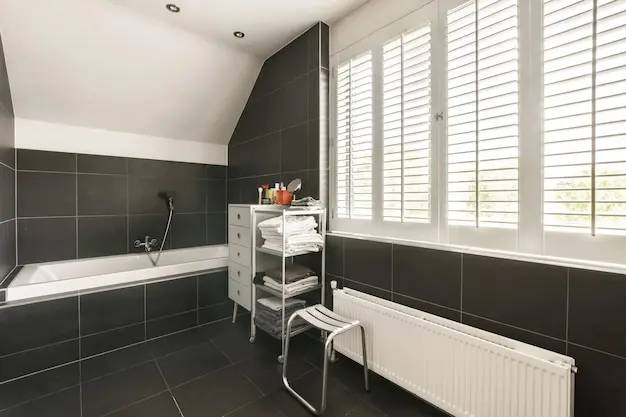
Ask: “What waterproofing system will be used, and how will corners and penetrations be treated?” Tiles are the visible finish; the preparation behind them matters just as much. The answer should relate to the proposed surfaces and shower arrangement rather than a blanket assurance that grout makes everything waterproof.
For wet areas, ARDEX describes waterproofing before tiling to protect moisture-sensitive backgrounds. Your fitter may use another suitable system, but should be able to explain its installation requirements. Ask how the work will be checked before it is concealed and whether photographs of the preparation can be provided.
Check that fashionable fittings are practical
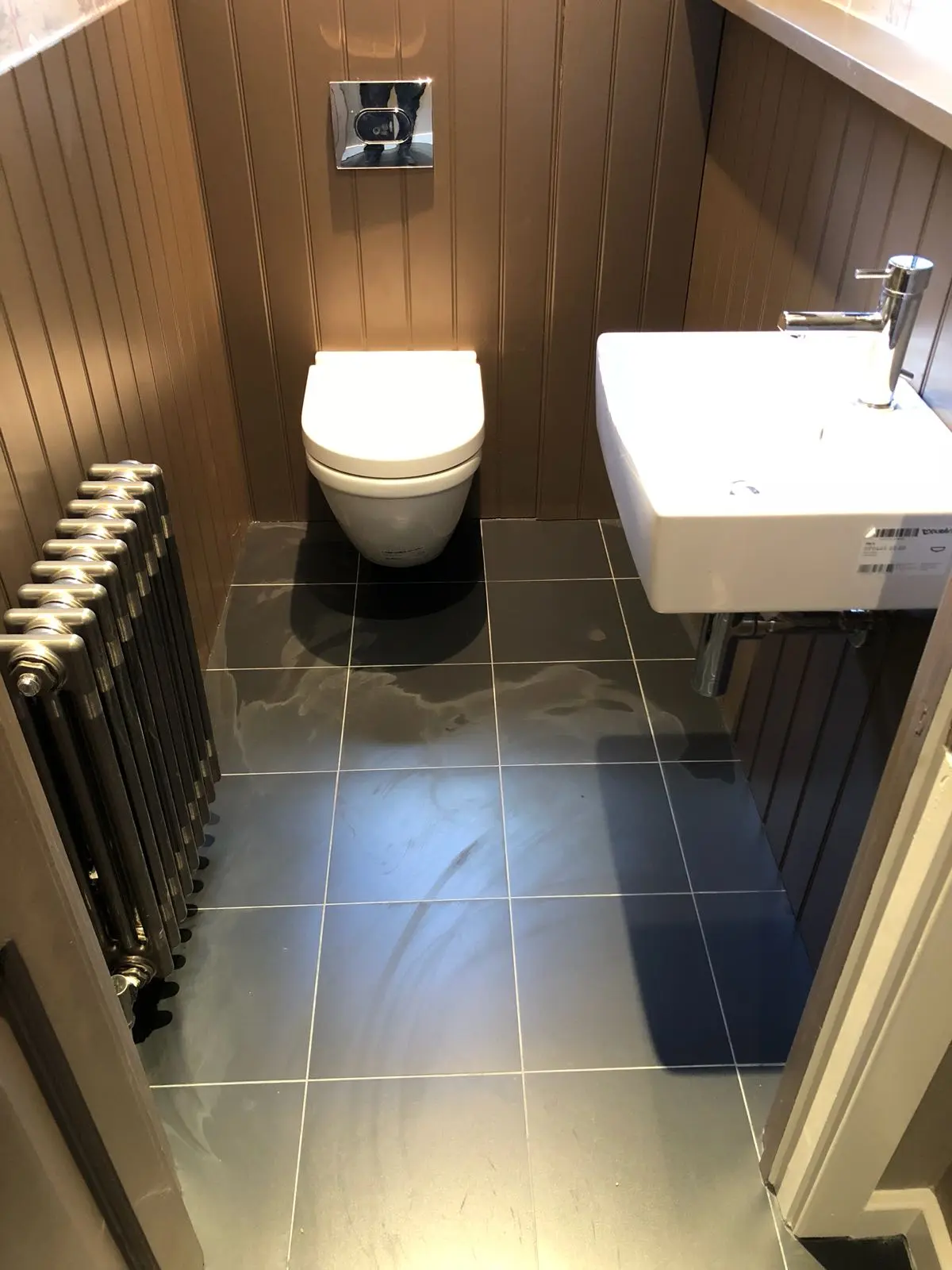
Ask: “How will these products work in the finished room?” Drawer openings, door swings and access to maintenance points can be missed when choosing a suite online. A wall-hung vanity may need suitable support; a concealed cistern should have a workable servicing route.
According to the 2026 UK Houzz Bathroom Trends Study, 40% of homeowners upgrading a vanity selected a handleless design. The study surveyed 569 Houzz UK users in June, rather than the whole population. If that look appeals to you, ask to test the mechanism and check drawer clearance. Style should not make everyday use or repairs unnecessarily awkward.
Agree how discoveries and changes are authorised
Ask: “What happens if you uncover damaged flooring or I request a change?” The installer should explain how an unexpected problem is recorded, priced and approved. A practical arrangement identifies who makes the decision and whether the change affects completion.
For example, replacing an exposed damaged board is different from agreeing an entirely new layout. Keep a written record of the revised scope and price before work proceeds. Ask whether any allowances in the quotation are provisional and how those figures will be finalised once the room is opened up.
Set out access, deliveries and household disruption
Ask: “Which facilities will be unavailable, and who coordinates deliveries?” A start date does not tell you when the toilet will be disconnected or whether a shower will be usable over a weekend. Ask who needs keys, how the home is protected and where tools and waste will be kept.
If you buy your own products, agree who checks compatibility and handles damaged deliveries. Clarify whether delays caused by missing items affect the schedule or charges. One named project contact helps prevent a supplier, plumber and tiler giving you conflicting instructions.
Tie payments and completion to clear milestones
Ask: “What triggers each payment, and what counts as completed?” Agree the payment arrangement before work begins. The stages should be understandable and connected to the job, with receipts and a record of any variations. Seek independent advice if contractual terms are unclear.
At handover, inspect the room and record outstanding snags. Ask what product information and relevant certificates you will receive, and when any remaining adjustments will be made. Do not let “finished” mean different things to you and the installer.
Understand aftercare and guarantee limits
Ask: “Who handles a problem, and what does the written guarantee cover?” Distinguish the manufacturer’s product warranty from any workmanship guarantee. A faulty tap and a poorly sealed connection may have different routes to resolution. Ask about response arrangements and any exclusions before appointing the fitter.
If a business claims a particular accreditation or an insurance-backed guarantee, check the provider and conditions rather than relying on a badge. Save the contract, receipts and product details together. This makes a later query easier to explain and helps the installer identify what was supplied.
Choose with evidence, not assumptions
A strong appointment starts with comparable examples, a detailed specification and clear responsibility for each stage. A.C.O Heating And Plumbing Ltd offers bathroom fitting in Kings Langley and the surrounding area. Visit the service page to discuss your requirements and put these project questions to the team before you commit.